Key Insights EU crypto regulation bars Belarusian control of European crypto service providers. The restriction covers exchanges, transfers, advice and portfolio management. Covered firms mus
Key Insights
- EU crypto regulation bars Belarusian control of European crypto service providers.
- The restriction covers exchanges, transfers, advice and portfolio management.
- Covered firms must apply the expanded prohibition from Aug. 25.
The European Union expanded its crypto regulation on July 23, targeting Belarusian ownership of regulated crypto firms.
Council Decision (Common Foreign and Security Policy) 2026/1847 extended the restriction across the bloc from Aug. 25.
The measure widened an existing prohibition covering wallet, account and custody providers. It now reaches all other crypto services defined under the Markets in Crypto-Assets regulation.
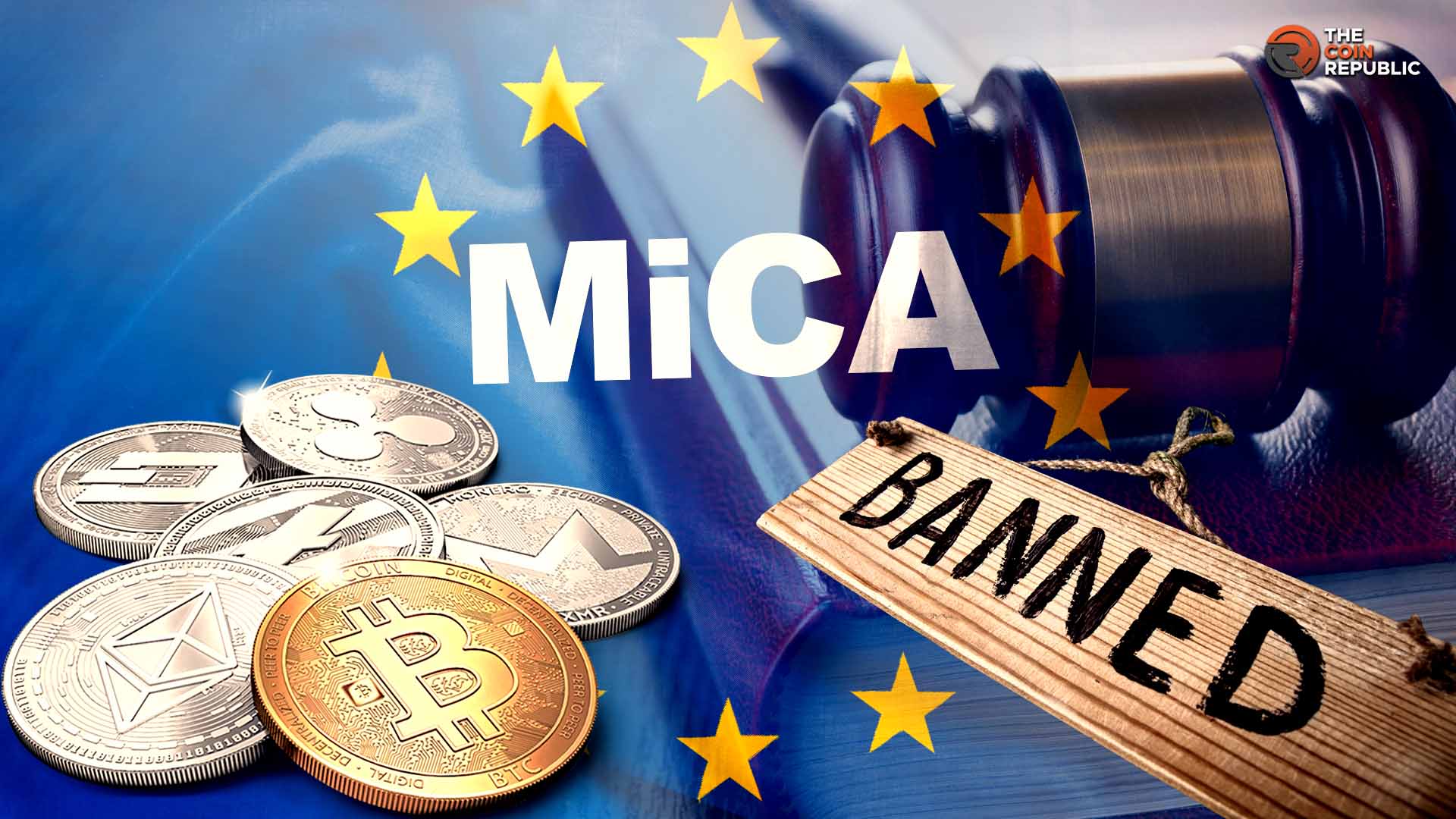
The expansion matters because sanctions screening now overlaps directly with MiCA licensing. European firms face broader checks covering ownership, control and governing-body appointments.
Crypto Regulation Expands Belarus Ownership Restrictions
Council Decision (CFSP) 2026/1847 amended the bloc’s Belarus sanctions framework on July 23. The Council linked the measures to Belarus’s involvement in Russia’s war against Ukraine.

Source: X
The decision prohibited Belarusian nationals and residents from owning or controlling covered European entities. It also barred them from holding positions on those firms’ governing bodies.
The revised text covered entities providing services defined under Regulation (EU) 2023/1114. That law established the Markets in Crypto-Assets framework, commonly called MiCA regulation.
Covered activities span operating trading platforms and exchanging crypto assets for funds or other tokens. They also cover order execution, transmission, placement, transfers, advice and portfolio management.
The decision entered into force on July 24 after Official Journal publication. However, the expanded ownership and management prohibition starts on Aug. 25.
Legal Mechanism Links Crypto Regulation With Sanctions
The Council adopted the decision through the European Union’s Common Foreign and Security Policy framework. It amended Decision 2012/642/CFSP, the bloc’s core Belarus sanctions instrument.
Council Regulation (EU) 2026/1846 translated the policy decision into directly applicable economic restrictions. The regulation aligned Belarus-related financial measures with broader restrictions imposed against Russia.
The Finnish Ministry for Foreign Affairs said the package harmonized sectoral and financial sanctions against Belarus. Its July 24 statement identified the decision and regulation as governing legal records.
The measure expanded a narrower rule previously covering wallet, account and custody services. That distinction had left other regulated activities outside the ownership and governance prohibition.
Under the revised wording, the ban now follows MiCA’s wider service definition. This approach ties sanctions compliance directly to European licensing categories.
Crypto Regulation Follows MiCA Transition Deadline
The European Securities and Markets Authority said MiCA’s transitional period ended on July 1. Unlicensed providers then had to cease European Union operations and execute orderly wind-down plans.
MiCA allowed qualifying firms operating before Dec. 30, 2024, to continue temporarily. Article 143 set July 1, 2026, as the final grandfathering date.
The timing placed the Belarus measure inside a stricter licensing environment. European firms now face one authorization framework alongside separate sanctions-screening duties.
The European Commission said MiCA applies organizational, operational and prudential standards to crypto providers. It also places covered firms within the bloc’s anti-money laundering framework.
For regulated companies, the ban affects ownership checks, governance appointments and control assessments. Firms must identify indirect control before approving directors or ownership structures.
The measure does not prohibit Belarusian users from holding crypto assets. It targets ownership, control and management of covered providers within the European Union.
The Belarus decision arrived alongside the European Union’s 21st sanctions package against Russia. The Council extended transaction bans to 14 crypto-related platforms outside the bloc.
The Council identified platforms operating from six jurisdictions, among them Belarus and Panama. It also created a mechanism for wider third-country crypto restrictions.
That mechanism permits transaction bans against foreign providers used for Russian sanctions circumvention. European Union operators would face direct restrictions.
Kaja Kallas, the European Union’s foreign policy chief, said the package targeted banks and crypto operators. She linked the sanctions to pressure on Russia’s capacity to continue the war.
The United Kingdom imposed related measures on Huobi Global S.A. on May 26. Its sanctions notice alleged services involving the sanctioned entities A7 and Garantex.
The European Union’s next verifiable milestone falls on Aug. 25. Covered firms must apply the expanded ownership and governance restrictions from that date.
The post EU Crypto Regulation Bars Belarusian Control of MiCA Firms appeared first on The Coin Republic.