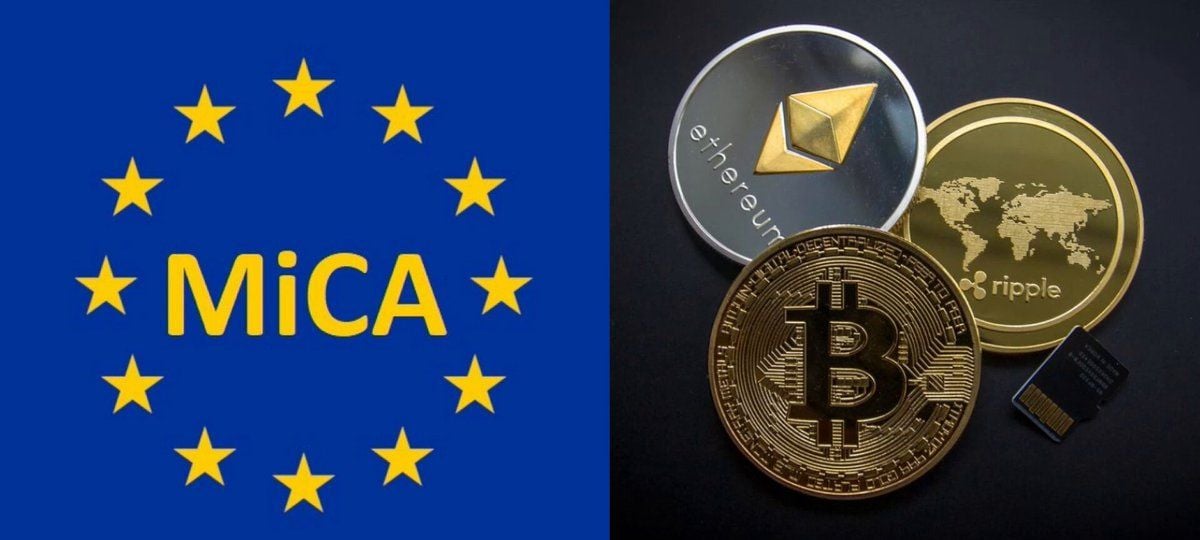
Europe's July 1 MiCA deadline is now days away, and its effects are already visible in how smaller platforms are restructuring their operations. Some EU countries chose to apply the full 18-m
Europe's July 1 MiCA deadline is now days away, and its effects are already visible in how smaller platforms are restructuring their operations. Some EU countries chose to apply the full 18-month grandfathering period allowed under MiCA, giving existing crypto-asset service providers (CASPs) until July 1, 2026 to continue operating under national regimes before needing full CASP authorisation. For many, that runway has run out.
A New Model: Keep the App, Move the Rails
Europe's MiCA deadline is turning access and infrastructure into the same question: which crypto apps remain available, and who controls the rails underneath them? BitGo Europe GmbH recently announced a partnership with Bielik.io, a Warsaw-based crypto trading platform, to support regulated trading access across the EEA by integrating BitGo Europe's Crypto-as-a-Service infrastructure. Through that integration, eligible Bielik.io users are expected to access deposits, supported digital asset trading, and custody via Bielik's mobile app. The setup could let smaller European apps keep their brands while moving MiCA-regulated functions to licensed providers. The consumer-facing experience stays intact. The regulated infrastructure powering it changes hands.
The practical advice for firms that cannot build a full licensed stack in time is blunt: prepare to cease serving EU clients by July 1, 2026, or immediately partner with an already-licensed EU CASP that can white-label services under its own licence while the application is processed. ESMA has stated that after July 1, 2026, any entity providing crypto-asset services to EU clients without a MiCA licence is in breach of EU law and must stop offering those services.
Consolidation and the Custody Question
Smaller firms may face challenges meeting compliance costs, potentially accelerating consolidation within the European crypto sector. Larger exchanges with established compliance infrastructure are likely to be better positioned to adapt. Custodians and wallet providers are also subject to stricter rules on protecting client assets, asset segregation, and the use of third-party custodians, including clear disclosure when custody functions are outsourced.
Many platforms are being asked whether users will still be able to open their app after July 1. Fewer are asking who holds custody, onboarding, transfer, trading, settlement, and policy controls once the app keeps working. The unresolved question is whether more apps follow the BitGo-Bielik model before the deadline, and how much control ultimately concentrates in fewer licensed custodians.
Sources:European Securities and Markets Authority (ESMA): Markets in Crypto-Assets Regulation (MiCA)CryptoSlate: MiCA deadline likely to shift smaller crypto apps into licensed custody railsGlobal Law Experts: MiCA Compliance Deadline for Crypto Businesses Serving EU Clients