BitcoinWorld Euro’s Best Arguments Sink in the Strait of Hormuz: Energy Security and Currency Power at Risk The euro’s long-standing argument for global relevance—that it offers a stable, mul
BitcoinWorld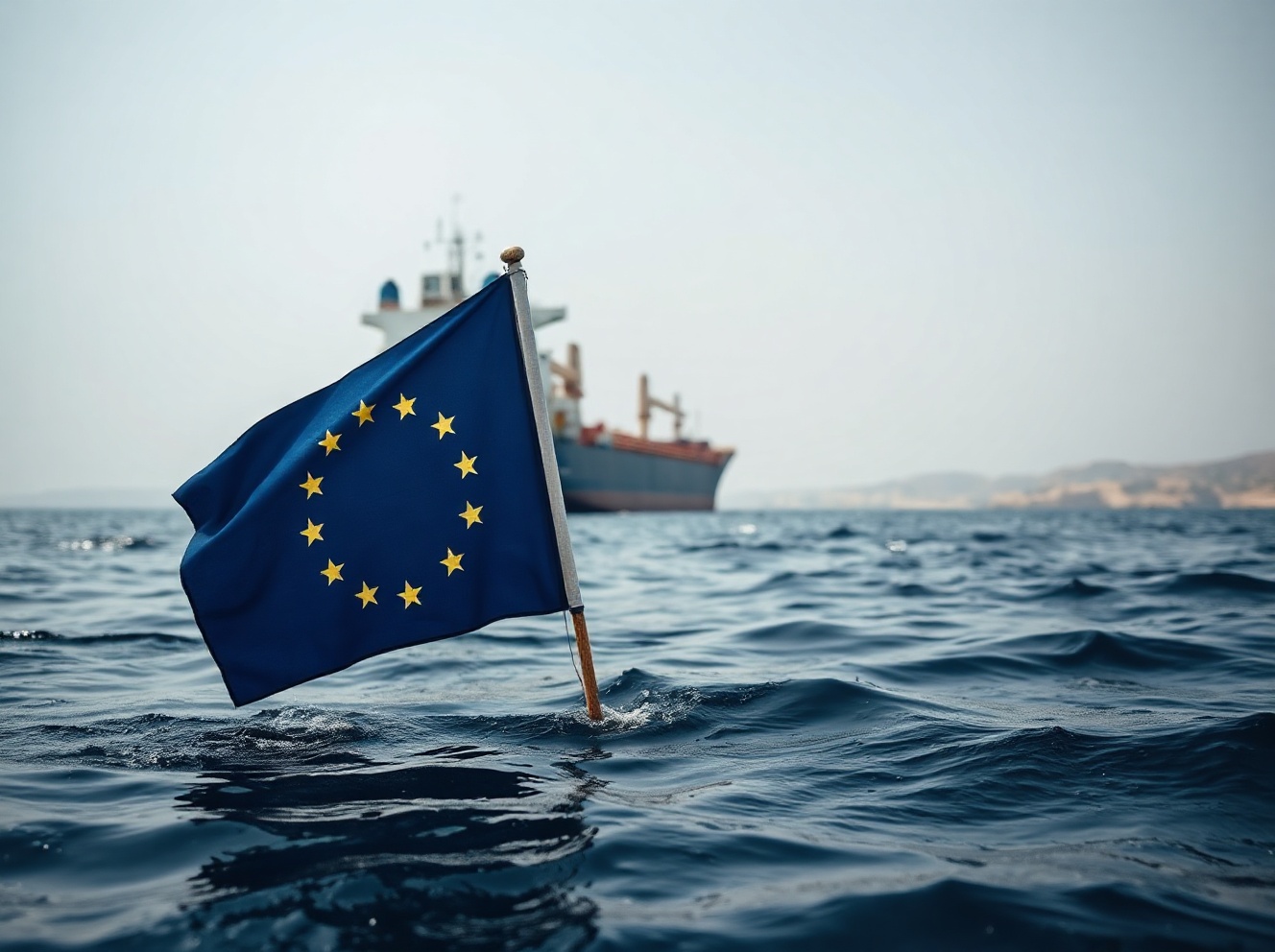 Euro’s Best Arguments Sink in the Strait of Hormuz: Energy Security and Currency Power at Risk
The euro’s long-standing argument for global relevance—that it offers a stable, multilateral alternative to the US dollar—faces its most concrete test in the waters of the Strait of Hormuz. Recent escalations in the region, where roughly 20% of the world’s oil passes, have exposed a critical vulnerability for the European single currency: its dependence on energy imports that are priced and settled primarily in dollars.
The Energy-Dollar Nexus and the Euro’s Structural Weakness
The eurozone imports over 90% of its crude oil and a significant portion of its natural gas. Unlike the United States, which is now a net energy exporter, Europe has no meaningful domestic production to cushion supply shocks. When tensions rise in the Strait of Hormuz—as they have following recent naval incidents and diplomatic breakdowns between Iran and Western powers—the price of Brent crude spikes in dollar terms. European importers must buy dollars to pay for that oil, creating structural demand for the US currency that undermines the euro’s exchange rate.
This dynamic has played out repeatedly since the euro’s launch in 1999. During the 2003 Iraq War, the 2019 Abqaiq–Khurais attacks, and the 2023–2024 Red Sea crisis, the euro depreciated against the dollar as energy risk premiums rose. Each time, the European Central Bank (ECB) found itself in a policy bind: raising rates to defend the currency risked crushing already-weak growth, while cutting rates risked fueling inflation through a weaker euro and higher import costs.
Why the Strait of Hormuz Matters More Than Ever
The current situation in the Strait of Hormuz is not merely a repeat of past crises. Three factors make this episode structurally different for the euro:
- Loss of alternative supply routes: The Russia-Ukraine war has largely closed off pipeline gas from Russia, which once supplied 40% of EU gas imports. Europe is now more reliant on seaborne LNG, much of which transits the Strait of Hormuz or the Bab el-Mandeb strait.
- China’s yuan-based oil contracts: China has been steadily increasing the share of oil trades settled in yuan, particularly with Iran and Russia. While the euro is not directly challenged by the yuan yet, any shift away from dollar-denominated energy trade reduces the overall volume of dollar transactions, but not in a way that benefits the euro—it benefits the yuan instead.
- Fragmented European fiscal response: Unlike the United States, which can deploy strategic petroleum reserves and fiscal stimulus unilaterally, the eurozone requires consensus among 20 member states. The 2024–2025 energy price spikes exposed deep divisions between fiscally conservative northern states and more indebted southern states, delaying a unified response.
What This Means for the Euro’s Reserve Currency Status
The euro remains the world’s second-most-used reserve currency, accounting for roughly 20% of global foreign exchange reserves. But that share has stagnated since 2015, while the dollar’s share has only slightly declined—and the yuan’s has risen from near zero to nearly 3%. Central banks in emerging markets, particularly in Asia and the Middle East, are diversifying reserves, but they are choosing gold and yuan-denominated assets over euros.
The reason is straightforward: a reserve currency must offer safety and liquidity in times of global stress. When a crisis hits the Strait of Hormuz, the euro does not offer safety—it offers exposure to the very energy price shock that triggered the crisis. Investors and central banks sell euros and buy dollars, reinforcing the dollar’s dominance.
Conclusion
The euro’s best argument—that it represents a credible, rule-based alternative to dollar hegemony—sinks not in the boardrooms of Brussels or the trading floors of Frankfurt, but in the narrow waters of the Strait of Hormuz. Until Europe achieves meaningful energy independence or develops a financial infrastructure that can decouple energy trade from dollar settlement, the euro will remain structurally vulnerable to every tanker that passes through that chokepoint. For investors, policymakers, and anyone watching the shifting landscape of global currency power, the message is clear: energy security is monetary policy.
FAQs
Q1: Why does the Strait of Hormuz affect the euro more than the dollar?A1: Because Europe imports most of its oil, and oil is priced in dollars. When supply risks rise, oil prices spike in dollar terms, forcing European importers to buy dollars, which strengthens the dollar and weakens the euro. The US, being a net energy exporter, is less affected.
Q2: Could the euro ever replace the dollar as the primary energy trade currency?A2: It is unlikely in the near term. Energy producers, especially in the Middle East, have long-standing dollar-based contracts and financial infrastructure. The euro would require a deep, liquid market in euro-denominated energy futures and a credible European energy supply guarantee—neither of which exists today.
Q3: What can the ECB do to protect the euro from Hormuz-related shocks?A3: The ECB has limited tools. It can raise interest rates to defend the currency, but that risks slowing the eurozone economy. It can also expand swap lines with other central banks to provide euro liquidity. However, the fundamental solution is structural: reducing European dependence on Strait of Hormuz oil through diversification, renewable energy, and strategic reserves.
This post Euro’s Best Arguments Sink in the Strait of Hormuz: Energy Security and Currency Power at Risk first appeared on BitcoinWorld.