BitcoinWorld Euro Slips Against US Dollar as Middle East Tensions Fuel Safe-Haven Demand The euro weakened against the US dollar on [Date], as escalating Middle East tensions prompted investo
BitcoinWorld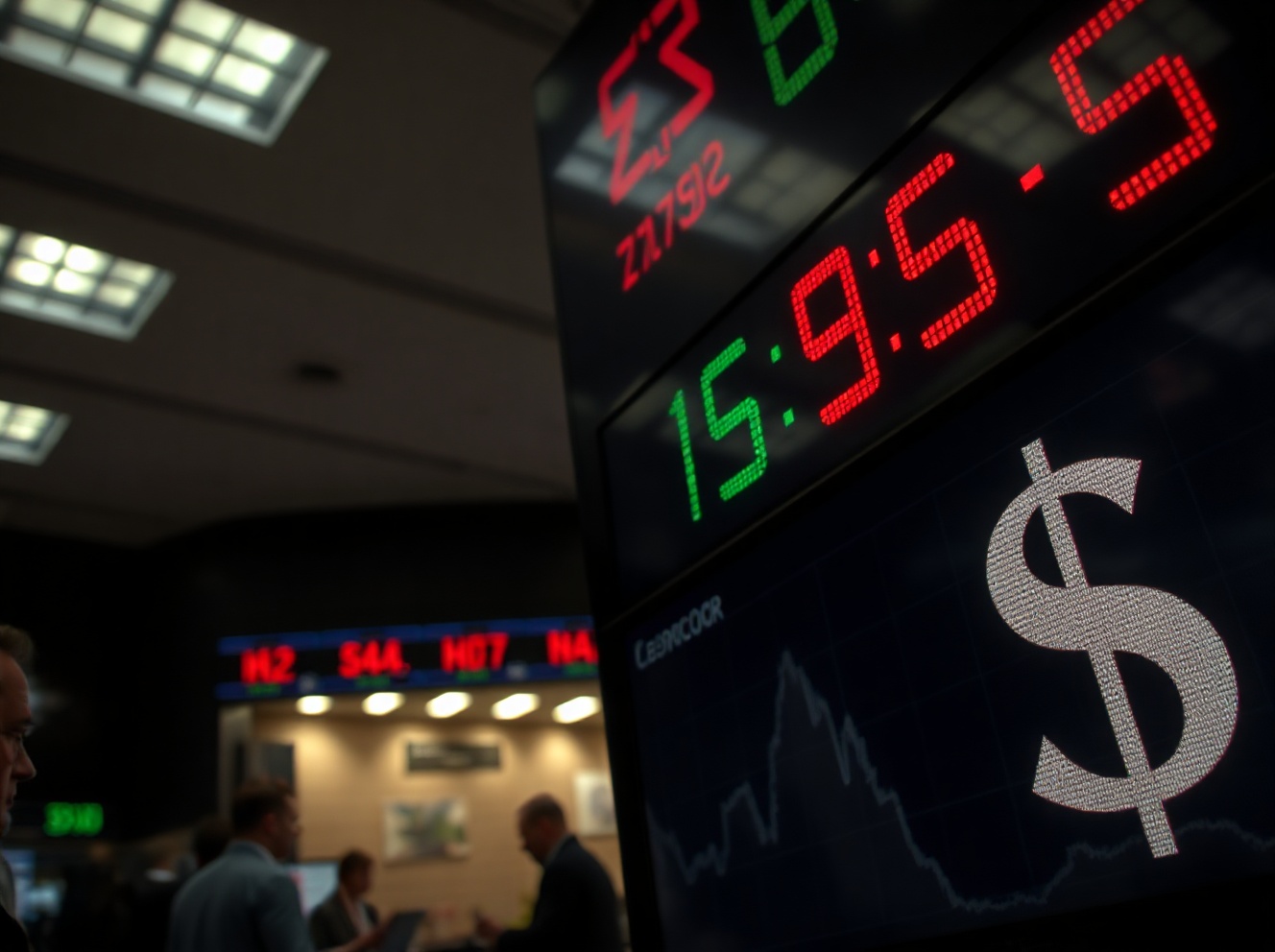 Euro Slips Against US Dollar as Middle East Tensions Fuel Safe-Haven Demand
The euro weakened against the US dollar on [Date], as escalating Middle East tensions prompted investors to seek the safety of the US currency, a traditional safe haven during geopolitical uncertainty.
Why the Euro Is Falling Against the Dollar
The euro’s decline is primarily driven by a shift in investor sentiment toward risk-off assets. When geopolitical tensions rise, global investors often move capital into the US dollar, which is perceived as a stable and liquid store of value. This increased demand for dollars puts downward pressure on the euro.
Additionally, the European economy faces its own challenges, including slower growth compared to the US and ongoing concerns about energy prices, which can further weigh on the single currency.
Market Reaction and What It Means
As of [Date], the EUR/USD pair was trading at [rate], down [percentage]% from the previous session. The move reflects a broader trend of dollar strength, which has been supported by a resilient US economy and expectations that the Federal Reserve may keep interest rates higher for longer.
For European businesses and consumers, a weaker euro makes imports more expensive, potentially fueling inflation. For US investors, a stronger dollar can reduce the value of overseas holdings when converted back to dollars.
Impact on Traders and Investors
Traders are closely monitoring the situation, with many expecting continued volatility in the currency markets as long as geopolitical risks persist. Some analysts suggest that if tensions escalate further, the euro could test lower levels against the dollar, while others point to potential intervention by the European Central Bank if the decline becomes too rapid.
Conclusion
The euro’s slide against the dollar reflects the market’s nervousness over Middle East tensions and the enduring appeal of the US dollar as a safe haven. While the immediate direction depends on diplomatic developments, the currency pair is likely to remain sensitive to geopolitical headlines in the near term.
FAQs
Q1: Why does the US dollar strengthen during geopolitical tensions?The US dollar is considered a safe-haven currency because of the size and liquidity of the US financial system, and its historical stability. During uncertainty, investors buy dollars, driving up its value.
Q2: How does a weaker euro affect European consumers?A weaker euro makes imported goods, especially energy and commodities, more expensive. This can lead to higher consumer prices and may impact the European Central Bank’s monetary policy decisions.
Q3: What should currency traders watch for in the coming days?Traders should monitor geopolitical news, statements from central bank officials, and economic data releases. Any de-escalation could trigger a rebound in the euro, while further escalation might push it lower.
This post Euro Slips Against US Dollar as Middle East Tensions Fuel Safe-Haven Demand first appeared on BitcoinWorld.
