A Federal Reserve research experiment suggests that bitcoin rallies help attract new crypto buyers, drawing first-time investors into the market as prices climb, though the authors caution th
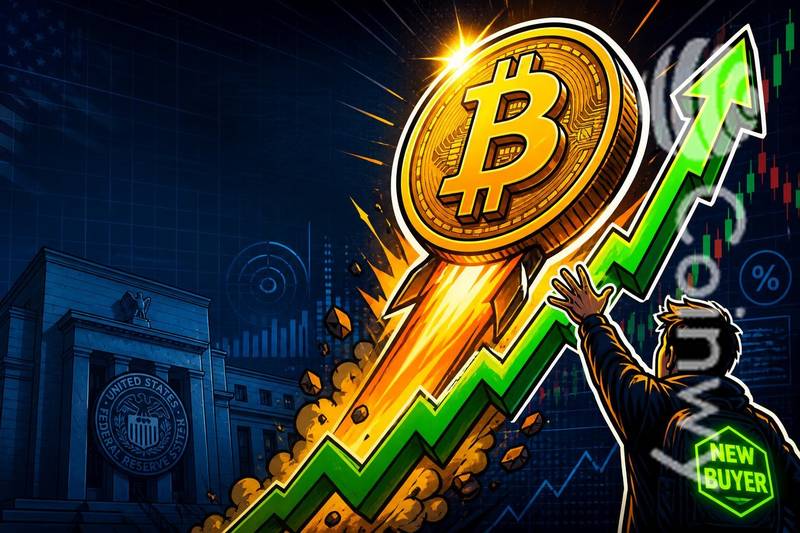
A Federal Reserve research experiment suggests that bitcoin rallies help attract new crypto buyers, drawing first-time investors into the market as prices climb, though the authors caution that a single study should not be read as a universal rule for how adoption works.
The finding comes from a working paper on cryptocurrencies in household finance published by the Federal Reserve Bank of Cleveland, which examined how U.S. households respond to movements in crypto prices. The research centers on observed buyer behavior rather than on market commentary or price forecasting. For related coverage, see Bitcoin Miners Pour Billions Into AI as Capex Outruns Revenue.
Coverage of the paper by the Bitcoin Foundation summarized the core result as bitcoin gains being able to trigger more crypto buying among U.S. households. The framing implies a behavioral link between rising prices and first-time market entry, not simply more activity from existing traders. For related coverage, see Step App winds down after four years amid crypto slowdown.
What the Fed experiment found about buyer behavior
The study's central pattern is that periods of rising bitcoin prices coincide with increased entry from households that had not previously bought crypto. That distinction matters: the effect is described in terms of new participants, not just larger positions from people already in the market.
KEY TAKEAWAY
- The experiment: A Cleveland Fed working paper studied how U.S. households respond to bitcoin price moves.
- New buyers: Bitcoin rallies appear to pull first-time crypto buyers into the market.
- Why it matters: Price cycles may shape when newcomers enter, but one study is not proof of a permanent rule.
It is worth separating the evidence from the interpretation. The experiment documents a correlation between rallies and new-buyer inflows; the broader claim that rising prices cause adoption is a reading that the data supports but does not fully settle.
Why rising bitcoin prices may pull in new investors
For undecided investors, price strength can act as a visibility and confidence signal, reducing the hesitation that keeps first-time buyers on the sidelines. Rallies also generate attention, and attention lowers the barrier to a first purchase.
New entrants often behave differently from experienced traders during momentum moves, leaning more on recent price direction and fear-of-missing-out dynamics. That behavior helps explain the inflow the Fed researchers observed, without proving that every rally will produce the same effect.
Interest during a rally is not the same as staying power. The experiment speaks to who enters and when, not to whether those buyers hold through later downturns, so rally-driven onboarding does not guarantee long-term retention.
What it could mean for bitcoin adoption
Bitcoin often serves as the first point of entry for people new to crypto, which is why a rally-linked inflow of newcomers reinforces its role as a gateway asset. If price cycles help time adoption waves, the asset's swings become part of the on-ramp, not just a trading story.
Rally-driven onboarding also has commercial implications for the platforms that serve new users. Exchanges and brokers stand to benefit from surges in first-time sign-ups, a dynamic visible in the way traditional finance players such as PayPal have folded crypto into their reporting and asset managers like Franklin Templeton have built dedicated crypto units to capture retail demand.
A Fed-backed experiment adds weight to these discussions about how newcomers arrive, and it lands alongside continued institutional accumulation, including corporate treasury strategies built around bitcoin. Still, the researchers frame their result as one data point on household behavior, and it should not be treated as a forecast for prices or a guarantee that the next rally repeats the pattern.
Disclaimer: This article is for informational purposes only and does not constitute financial or investment advice. Cryptocurrency and digital asset markets carry significant risk. Always do your own research before making decisions.
Read original article on coinwy.comRead also :