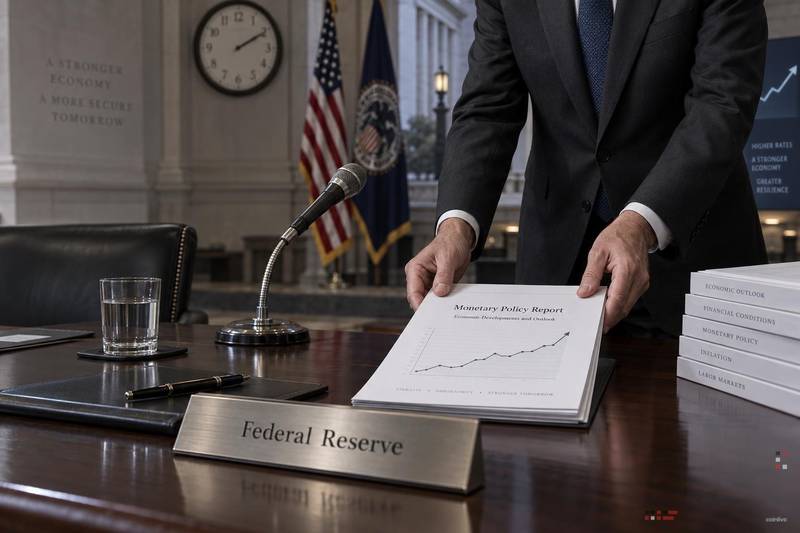
The Federal Reserve raised interest rates for the first time since 2023 and indicated that additional increases could follow, marking a notable shift in the central bank's monetary policy sta
The Federal Reserve raised interest rates for the first time since 2023 and indicated that additional increases could follow, marking a notable shift in the central bank's monetary policy stance after an extended pause.
Fed Raises Rates for the First Time Since 2023
The Federal Reserve's latest policy decision ends a multi-year stretch without a rate increase, reversing the rate-cutting cycle that had defined recent monetary policy. The move signals the Fed's renewed concern about inflation or broader economic conditions that warrant tighter financial conditions. For related coverage, see Bitcoin closes at $ 49,500 right after information that the Fed accelerates fee hikes.
Alongside the enacted hike, the Fed signaled that further increases remain on the table, a forward-guidance posture that markets typically treat as more significant than any single meeting's decision. The gap between one confirmed hike and expectations for a sustained tightening cycle is where asset repricing tends to concentrate. For related coverage, see Fed Jackson Hole Inflation Focus Signals September Rate Hike.
Why the Higher-For-Longer Signal Moves Markets
When the Fed signals additional hikes rather than a one-and-done adjustment, borrowing costs across the economy are expected to remain elevated for longer. That expectation compresses risk appetite: higher expected policy rates lift the discount rate applied to future cash flows, which weighs on equities, credit, and other risk assets.
Analysts at UBS had previously forecast 25-basis-point hikes in sequential Fed meetings, a scenario that, if confirmed, would tighten financial conditions more aggressively than a single move implies. The dollar typically strengthens in tightening cycles, creating additional headwinds for globally priced assets.
The Fed's meeting calendar will be closely watched for the next scheduled decision, with each subsequent communication either reinforcing or softening the higher-for-longer signal.
What the Rate Hike Could Mean for Bitcoin and Crypto
Crypto markets have historically traded as risk assets in macro tightening environments. When the Fed previously raised rates 25 basis points, Bitcoin reacted to shifting liquidity expectations, though the direction and magnitude depended heavily on positioning and crypto-specific flows at the time.
A renewed tightening signal adds macro pressure to an asset class already sensitive to dollar strength and risk sentiment. That said, crypto markets are also shaped by regulatory developments, ETF flows, and on-chain activity that can decouple from macro trends, so the Fed decision is one input among several.
Traders had been anticipating the decision: some assets moved sharply ahead of the rate announcement, a pattern consistent with pre-FOMC positioning rather than a clean post-decision reaction. Key items to watch now include the tone of Fed Chair commentary, upcoming inflation and labor data that could accelerate or pause the hike path, and whether rate futures reprice additional increases into the forward curve.
Disclaimer: This article is for informational purposes only and does not constitute financial or investment advice. Cryptocurrency and digital asset markets carry significant risk. Always do your own research before making decisions.
Read original article on coinlive.me