Fed Rate Hike Outlook: Sticky Inflation Raises Recession Fears The Fed rate hike debate is getting louder. Stubborn inflation has pushed markets to expect another increase in December. Meanwh
Fed Rate Hike Outlook: Sticky Inflation Raises Recession Fears
The Fed rate hike debate is getting louder. Stubborn inflation has pushed markets to expect another increase in December. Meanwhile, some investors fear tighter policy could slow growth and raise recession risks.
At a Glance
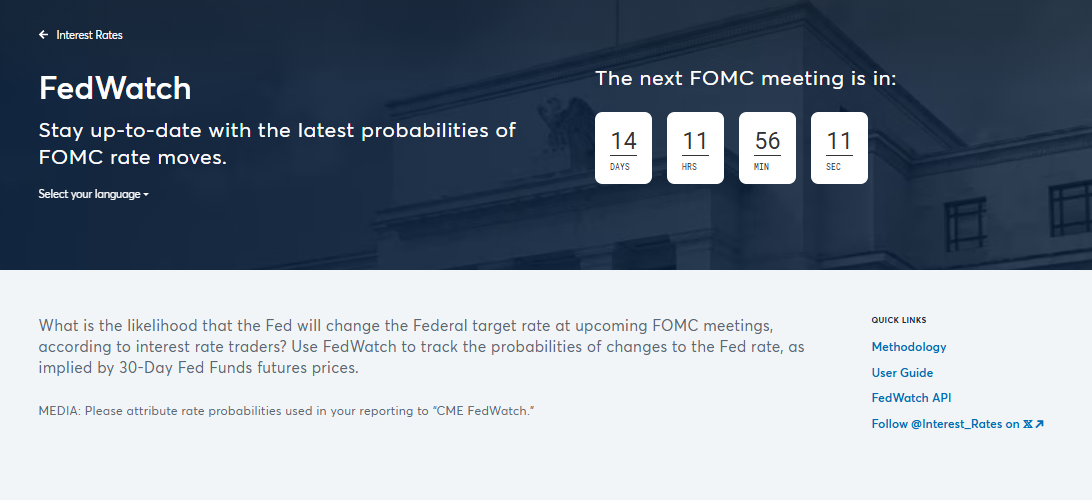
Markets price a 25-basis-point Fed rate hike in December, according to CME FedWatch as of Nov. 24.
October core PCE is estimated at 3.2% year over year, and the official figure is still pending.
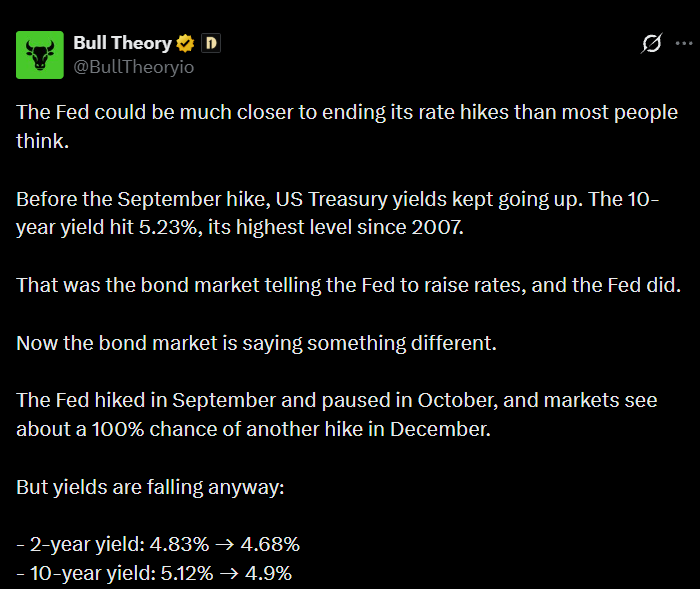
Bond traders are betting on cuts by 2028 as the 10-year Treasury yield slips from 5.3% to about 4.9%.
Why Are Markets Expecting Another Fed Rate Hike in December?
The Federal Reserve held rates at 3.75% to 4% in October. The vote was 10-2, and both dissenters wanted a quarter-point increase. Policymakers still aim to bring inflation back to 2%.
CME FedWatch shows near-certain odds of a 25-basis-point move at the December 8-9 meeting. New York Fed President John Williams said he would not rule out hikes at consecutive meetings.
Futures also show about a 69% chance of another hike in January 2027. A December Fed rate hike would lift the target range to 4.00% to 4.25%.
 Source: CME FedWatch
October PCE Inflation Data Could Determine the Fed Next Move
The PCE price index is the Fed's preferred inflation gauge because it tracks household spending. Estimates for October point to headline PCE near 3.8% and core PCE near 3.2%.
Core prices are expected to rise about 0.3% on the month. September readings were 3.6% and 3.1%. If core inflation stays this firm, the case for more tightening grows.
Indicator
Latest reading/expectation
December Fed hike
25 basis points expected
Current federal funds target
3.75%–4.00%
Expected additional hikes by mid-2027
75 basis points
Expected rate level by mid-2027
Around 4.5%
Potential rate-cut target by early 2028
Around 3.0%
10-year Treasury yield
Around 4.9%
Source: Bull Theory X Post
Bill Ackman Warns Further Fed Rate Hikes Could Trigger a Recession
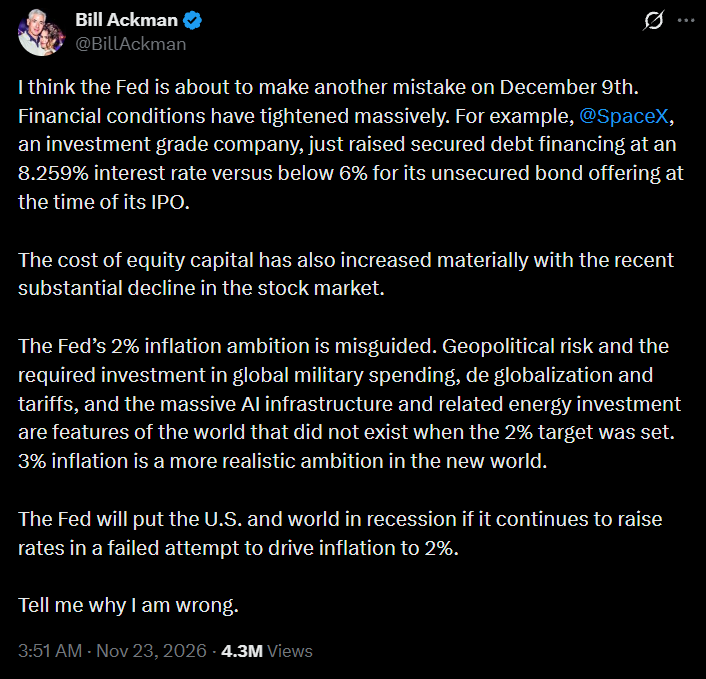
On Nov. 22, investor Bill Ackman said continued hikes could push the US and world economies into recession. He argued that financial conditions have already tightened sharply. As an example, he noted SpaceX raised secured debt at 8.259%, versus below 6% on its unsecured bonds at its IPO.
He also called the Fed's 2% target outdated, citing tariffs, geopolitical risk, and AI spending. He suggested 3% is more realistic. These are opinions, not proven outcomes. Ackman also holds stocks that could gain from lower rates.
Source: Bill Ackman X Post
Fed Rate Hike Timeline: Key Dates to Watch
Date
Event
Why it matters
Nov. 25, 2026
October PCE release
Last inflationary signal before the Fed meets
Dec. 8-9, 2026
FOMC meeting
Fed decides on a rate increase
Dec. 10, 2026
November CPI release
inflationary reading after the decision
Jan. 27, 2027
FOMC meeting
Markets weigh another hike
Early 2028
Possible cut scenario
Traders eye rates near 3%
What Could the Fed Rate Hike Mean for Bitcoin, Stocks, Bond Markets?
Higher rates raise borrowing costs and often pressure risk assets, including Bitcoin, other cryptocurrencies, and tech stocks. A hotter PCE reading could deepen that pressure.
Falling Treasury yields may signal changing growth expectations. If the Fed hints at a pause, risk assets could benefit. Recession fears could cancel that gain. Reactions will depend on real data and Fed messaging.
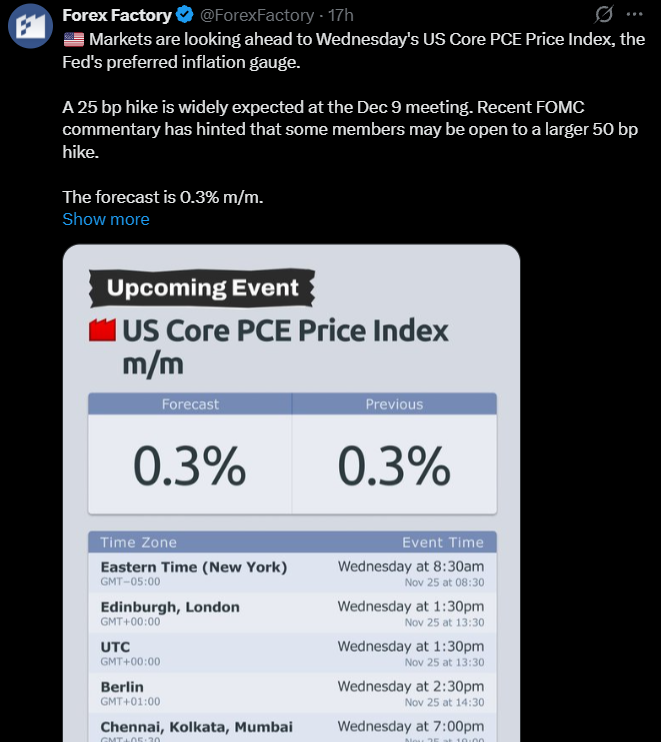
Source: Forex Factory X Post
Conclusion: Inflation Remains the Biggest Test for the Fed
Sticky inflation supports another Fed rate hike, while recession fears and bond bets point the other way. October PCE and the December FOMC decision will show which side gains ground. How far the Fed tightens before reversing remains uncertain.
Disclaimer: This article is for informational purposes only and is not investment or financial advice. Cryptocurrency and stock investments carry high risk. Market expectations are not guaranteed outcomes. Do your own research and consult a licensed financial advisor.