The Federal Reserve CBDC ban has drawn closer to enactment after the United States Senate approved a bill to prevent the central bank from issuing a digital dollar until December 31, 2030. Th
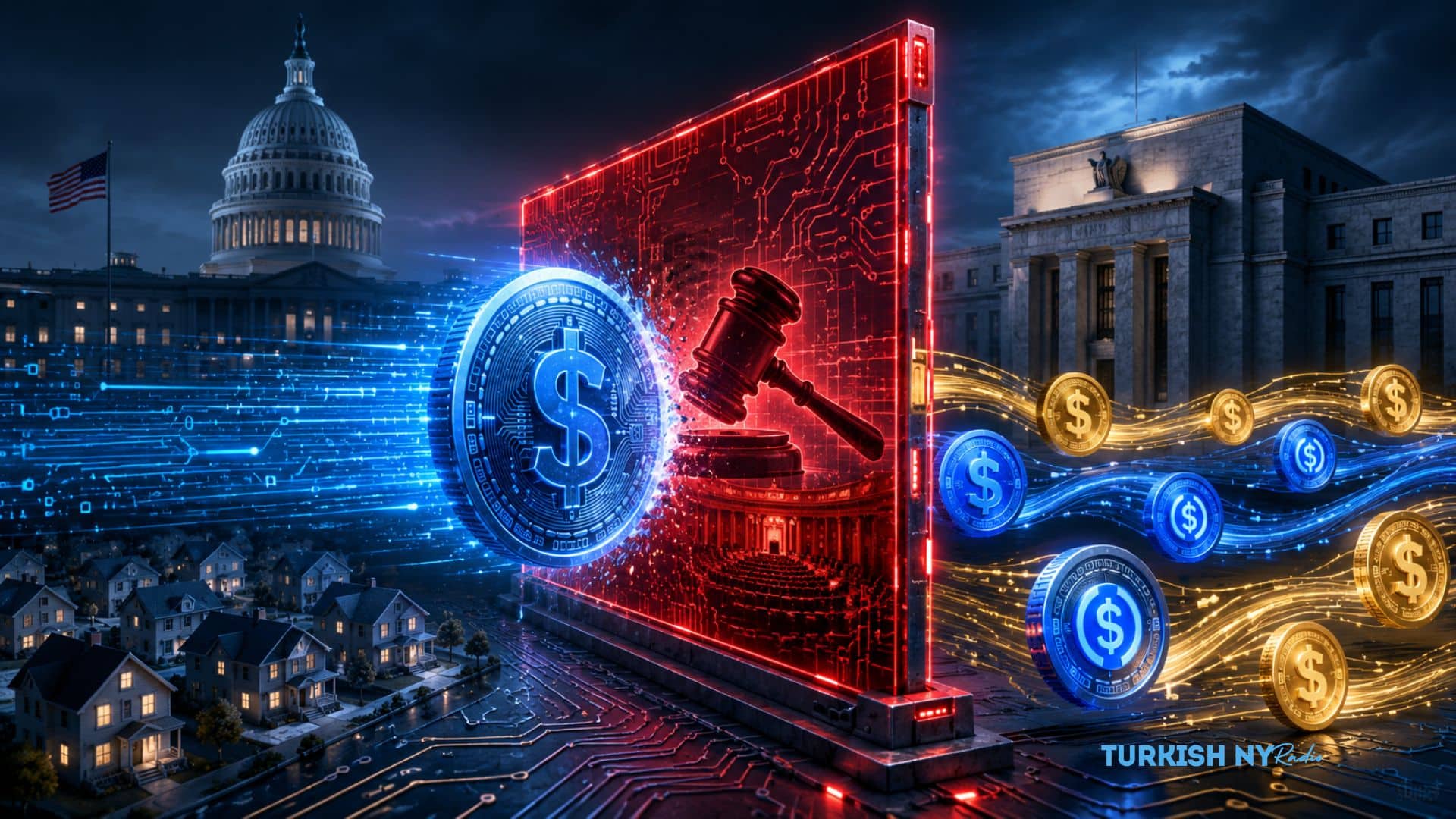
The Federal Reserve CBDC ban has drawn closer to enactment after the United States Senate approved a bill to prevent the central bank from issuing a digital dollar until December 31, 2030.
The Senate voted 85-5 in favor of the 21st Century ROAD to Housing Act on Monday, per latest reports. While the bill is centered on the topic of housing supply, it includes an additional provision which is a digital currency ban.
Federal Reserve CBDC Ban Imposes Conditions Until 2030
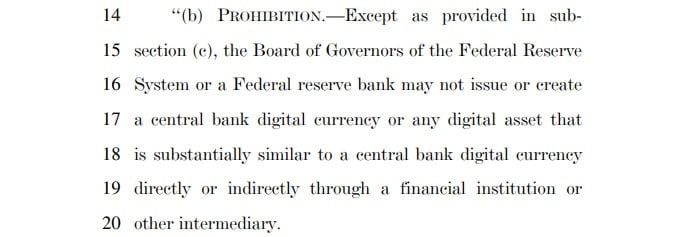
The Federal Reserve CBDC ban will bar the Fed from issuing or creating any central bank digital currency. Furthermore, it will encompass any digital asset that is very similar to a central bank digital currency.
The condition will apply for the issuance directly or through a bank or another third party. The condition will also be valid up until the end of 2030.
The Central Bank Digital Currency is a digital form of the national currency that is issued as a liability of a central bank. Retail CBDC can be used by individuals and companies similar to digital cash.
The Federal Reserve CBDC ban was added to a package intended to expand housing supply and revise federal housing programs. It delivered a digital-assets policy goal for Republican supporters inside a wider bipartisan deal.
How the Restriction Works
The Federal Reserve CBDC ban is temporary rather than permanent. It ends on December 31, 2030.
However, the bill adds a separate safeguard. It says the deadline does not authorize the Fed to create a CBDC or a similar asset without an act of Congress.
Stablecoins Receive a Carve-Out
The provision makes room for private stablecoins. It excludes dollar-denominated currencies that are open, permissionless, and private from the CBDC definition.
That distinction supports the model used by many U.S. crypto firms. Those companies depend on privately issued tokens, not digital money managed by a central bank.
Source:
Senate Banking CommitteePolicy Builds on Trump Order
Trump signed an executive order in January 2025 that directed federal agencies not to establish, issue, or promote CBDCs. It also told agencies to end ongoing CBDC plans, unless required by law.
The Federal Reserve CBDC ban would make that executive policy a statutory limit. A future president can reverse an executive order, while changing a law requires Congress.
House Vote Is Next
The House must pass the Senate-backed package before it can reach the White House. Reports indicate that lawmakers may use a faster voting procedure because negotiators already reached a deal.
The housing bill includes supply measures and manufactured-housing provisions. Its CBDC section may receive the most attention from crypto markets.
The Federal Reserve CBDC ban has been a long-standing goal for Republican lawmakers and many digital-asset advocates. Supporters see it as a barrier against direct state control of retail digital money.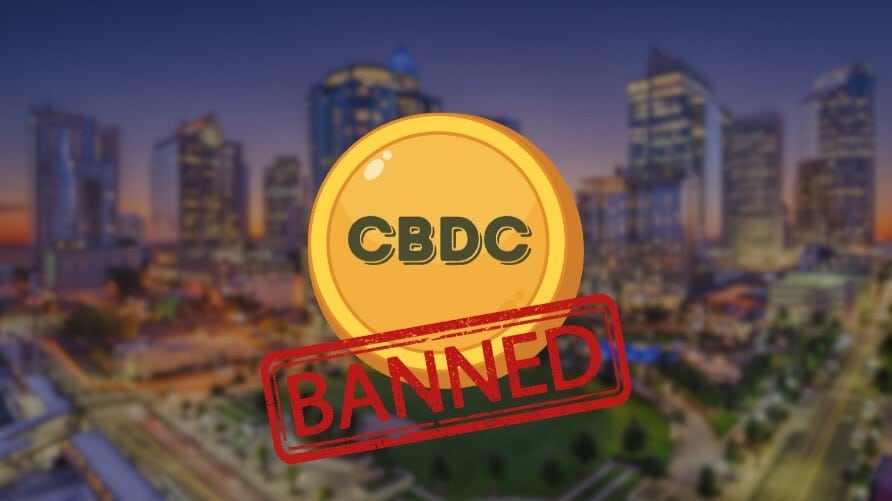
Global CBDC Work Continues
The U.S. approach contrasts with activity in other large economies. China added 26 financial institutions to a cross-border digital-yuan payment platform this month.
The Atlantic Council’s CBDC Tracker lists three countries with fully launched CBDCs and 41 pilot projects. Central-bank digital currency work therefore remains active outside the United States.
Conclusion
The Federal Reserve CBDC ban would give Congress a direct role in any future U.S. digital-dollar decision. It would block issuance through 2030 and require explicit legislation for any move after that deadline.
The House vote will decide whether the measure reaches Trump’s desk. If enacted, it would support private stablecoins rather than a Fed-issued retail currency.
Appendix: Glossary of Key Terms
CBDC: A digital version of the national currency created and guaranteed by the central bank.
Digital dollar: An expression used to refer to a potential CBDC of the United States.
Federal Reserve: Central bank of the United States responsible for implementing monetary policies and maintaining financial stability.
Stablecoin: Digital coin intended to have a stable value, typically pegged to the U.S. dollar.
Authorization from Congress: The process through which an approval is granted from Congress prior to taking certain actions.
Housing bill: The 21st Century Road to Housing Act, where the CBDC ban is outlined.
Permissionless network: An environment that provides users with access regardless of their authorization.
Frequently Asked Questions About Federal Reserve CBDC Ban
1- What does the Federal Reserve CBDC ban do?
It would stop the Federal Reserve and Federal Reserve banks from issuing or creating a CBDC, or a similar digital asset, through December 31, 2030.
2- Does the bill ban stablecoins?
No. The text excludes qualifying dollar-denominated currencies that are open, permissionless, and private.
3- Is the ban permanent?
No. The restriction expires in 2030, and the Fed would still need direct congressional approval afterward.
4- What happens next?
The House must approve the housing bill. It would then go to President Trump for signature or veto.
References
CoinDesk
CoinTelegraph