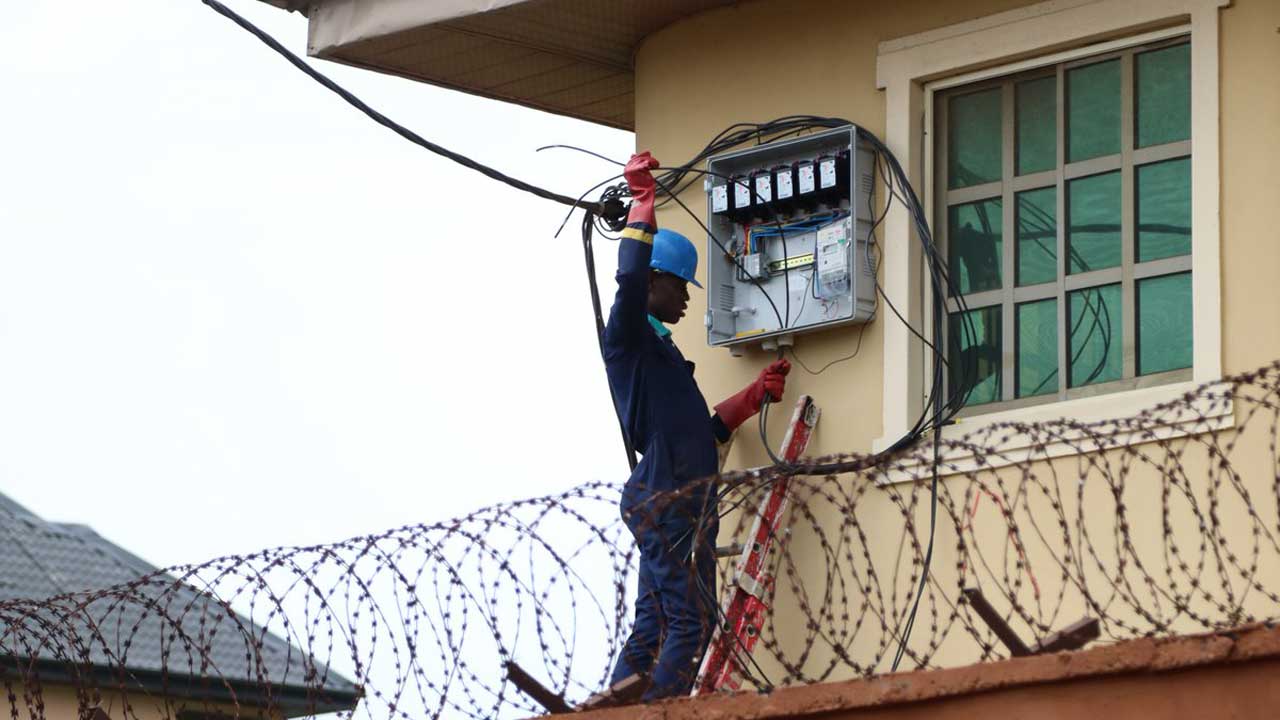
The Federal Government has announced plans to train 5,000 young Nigerians, including National Youth Service Corps members, as electricity meter installers and technicians. This is to combine
The Federal Government has announced plans to train 5,000 young Nigerians, including National Youth Service Corps members, as electricity meter installers and technicians. This is to combine a push to eliminate estimated billing with a direct jobs creation effort in the power sector.
President Bola Tinubu announced the initiative on Thursday through his official X account, describing it as part of the administration’s broader drive to expand employment while improving how electricity is billed and delivered across the country.
The training will be implemented through the Presidential Metering Initiative, a government programme set up to close Nigeria’s metering gap and protect electricity consumers from the estimated billing system that has long been a source of frustration for households and businesses alike.

Participants will be equipped through a programme called The Power Force, which will provide practical technical skills and connect graduates to employment opportunities in the electricity distribution sector. The initiative will be open to Nigerians who have completed secondary school education, with a dedicated quota reserved for NYSC members.
Estimated billing, where electricity companies charge customers based on projections rather than actual consumption, has been one of the most contested issues between Nigerians and their distribution companies for years.
Customers frequently complain of being billed for electricity they did not use, with limited recourse to dispute the figures. A metered customer, by contrast, pays only for what they consume.

Image credit: Emmanuel Ikwuegbu via Unsplash The scale of the electricity problem the government is trying to solve
The announcement comes two weeks after the government unveiled a separate plan to deploy seven million electricity meters nationwide. But context matters here. That same target was announced in June 2025, and implementation has moved slowly.
A legal dispute involving local meter manufacturers has complicated the latest push, after the Association of Meter Manufacturers of Nigeria secured a court injunction in April 2026 blocking the opening of bids for the international procurement of 1.55 million smart meters, raising concerns about further delays to a $500 million World Bank-backed programme.
The numbers on the ground illustrate exactly why urgency is needed. Nigeria ended 2025 with just over 6.9 million metered electricity customers, giving the country a national metering rate of 57.27%, according to data from the Nigerian Electricity Regulatory Commission. That means approximately 5.19 million active electricity customers were still on estimated billing at the end of last year, nearly half of all connected customers paying bills that do not reflect their actual usage.
Also read: Nigerian solar users can now sell excess supply to electricity companies: Here is how
Training 5,000 meter installers will not close that gap on its own, but it addresses a constraint that often slows physical rollouts, the availability of trained technicians to actually deploy meters at scale across 36 states and the FCT.
Without enough trained hands on the ground, even well-funded procurement programmes can stall at the last mile.