BitcoinWorld Fort Knox vs. China: The Global Gold Race That’s Reshaping Reserves The global gold market is witnessing a silent but significant shift as central banks, led by China, aggressive
BitcoinWorld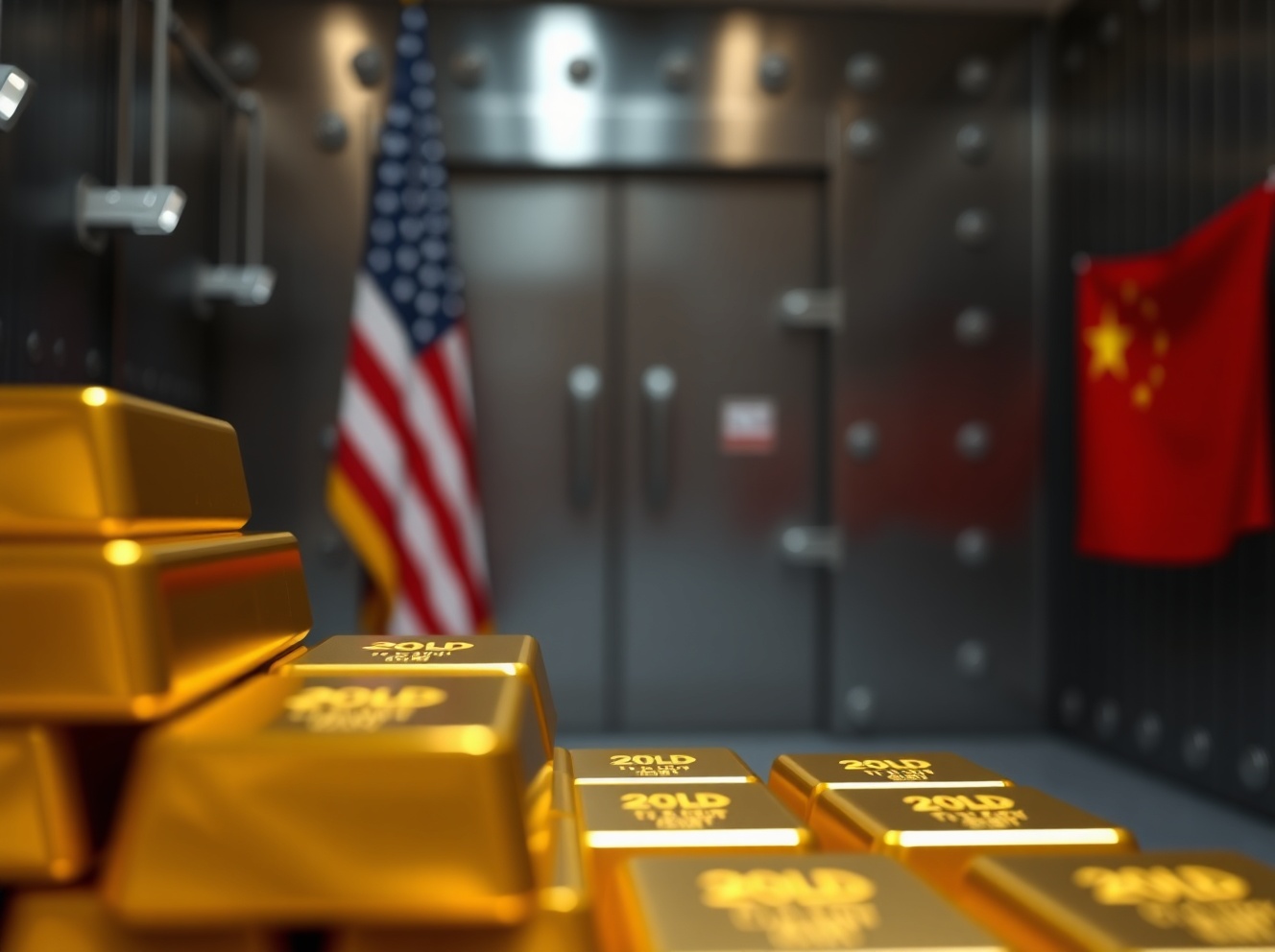 Fort Knox vs. China: The Global Gold Race That’s Reshaping Reserves
The global gold market is witnessing a silent but significant shift as central banks, led by China, aggressively accumulate bullion, challenging the traditional dominance of U.S. gold reserves held at Fort Knox. As of early 2025, the United States maintains the world’s largest official gold reserves at approximately 8,133 tonnes, while China’s official holdings have risen to over 2,235 tonnes, though analysts suspect the actual figure may be higher. This divergence in gold accumulation strategies reflects deeper economic and geopolitical undercurrents that extend far beyond simple asset diversification.
Why Fort Knox Still Matters
Fort Knox, officially the United States Bullion Depository, holds about 147.3 million ounces of gold, a figure that has remained largely unchanged since the 1950s. Its strategic importance is not just in the sheer volume but in its role as a symbol of monetary stability. The U.S. government has not conducted a full audit of these reserves since the 1950s, though annual inspections confirm the seals on the vaults. This lack of transparency has fueled speculation, but the credibility of the U.S. dollar and the country’s financial system has historically been underpinned by this massive, stable reserve.
China’s Quiet Accumulation
China’s official gold reserves have grown steadily, with the People’s Bank of China (PBoC) reporting increases nearly every month since late 2022. In 2024 alone, China added over 44 tonnes, continuing a trend that began in earnest after the 2008 financial crisis. However, the true scale of China’s gold holdings is a matter of debate. Some analysts, citing data from the World Gold Council and trade flows, suggest that China’s total gold reserves, including those held by the central bank, state-owned enterprises, and private investment, could be significantly higher than officially reported—potentially exceeding 5,000 tonnes. This discrepancy is due to China’s historical practice of not disclosing all purchases and its domestic gold production, which is the world’s largest.
The Strategic Implications for Global Finance
The gold race between the U.S. and China is not merely about accumulating a shiny metal; it’s a strategic move to reduce dependence on the U.S. dollar and hedge against geopolitical risks. For China, gold serves as a buffer against potential sanctions and a tool to internationalize the yuan. For the U.S., Fort Knox remains a bedrock of confidence, but the lack of audits and the country’s fiscal trajectory have led some to question its long-term strength. The shift in gold reserves also influences global bond markets, currency valuations, and inflation expectations, making it a critical topic for investors and policymakers alike.
What This Means for Investors and the Public
For the average investor, the gold policies of central banks can signal broader economic trends. When central banks buy gold in large quantities, it often indicates concerns about inflation, currency devaluation, or geopolitical instability. This can drive up gold prices, which have seen a steady climb, with spot gold reaching record highs above $2,400 per ounce in 2024. For the public, understanding this race provides insight into the future of money and the shifting balance of global economic power. It’s not just about where gold is stored, but who holds the keys to financial stability in an increasingly multipolar world.
Conclusion
The gold race between Fort Knox and China is a testament to the enduring role of gold in the global financial system. While the U.S. holds a commanding lead in official reserves, China’s aggressive and often opaque accumulation strategy signals a long-term challenge to the dollar-centric order. As central banks continue to diversify, the implications for currency markets, inflation, and international relations are profound. The world may not discuss it openly, but the battle for gold is a battle for economic sovereignty.
FAQs
Q1: Why does the U.S. keep gold at Fort Knox?Fort Knox is a secure military installation that has served as the primary storage for U.S. gold reserves since 1937. Its security and symbolism reinforce confidence in the U.S. dollar and the nation’s financial stability.
Q2: How much gold does China actually have?China’s official reserves are over 2,235 tonnes, but many experts believe the actual total, including domestic production and private holdings, could be significantly higher, possibly exceeding 5,000 tonnes.
Q3: Does China’s gold buying affect gold prices?Yes, large-scale central bank purchases, including China’s, contribute to global gold demand, which can influence prices. In recent years, central bank buying has been a key driver of gold’s price appreciation.
This post Fort Knox vs. China: The Global Gold Race That’s Reshaping Reserves first appeared on BitcoinWorld.