MIT Technology Review released its 2026 Innovators Under 35 list on 8 September, naming 35 young scientists and entrepreneurs from nine countries. Four of them are African: Kenya’s Joseph Ngu
MIT Technology Review released its 2026 Innovators Under 35 list on 8 September, naming 35 young scientists and entrepreneurs from nine countries. Four of them are African: Kenya’s Joseph Nguthiru, Tanzania’s Diana Orembe and Paschal Kija, and Ethiopia’s Loza Tadesse.
The list, now in its third decade, was drawn from 550 nominations and reviewed by 44 expert judges before this year’s 35 were selected.
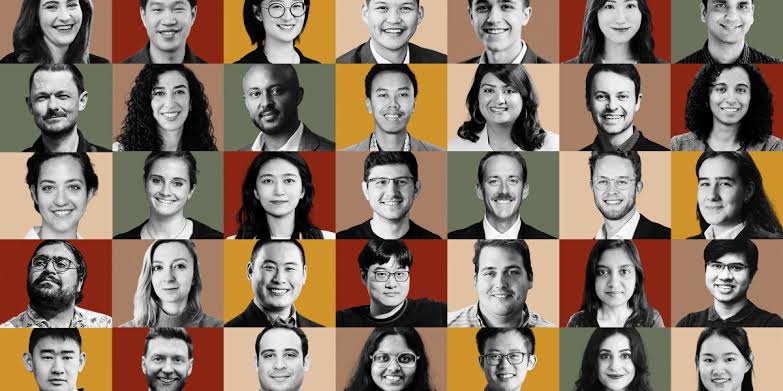
Credit: MIT TECH review
Past honourees include Instagram co-founder Kevin Systrom, Spotify’s Daniel Ek, AMD chief executive Lisa Su, and AI researcher Ilya Sutskever, giving the list a track record of spotting talent early. This year’s class is split across four categories: artificial intelligence, computing and robotics, biotechnology, and climate and energy.
Meet the four African innovators honoured
Joseph Nguthiru
Joseph Nguthiru, 28, founded HyaPak after he and his university classmates got stuck for hours in a mass of water hyacinth while boating on Kenya’s Lake Naivasha. The invasive weed chokes waterways, starves water of oxygen, and triggers fish die-offs across the tropics.

HyaPak now pays local fishermen to harvest the plant, dries it, and extracts cellulose from it to make biodegradable packaging, including bags for tree seedlings, produce wrapping, and packaging for Kenya’s flower export industry.
The company is co-developing materials with a German logistics firm and is in talks to license its technology in other countries.
“We’re using a free, fast-growing plant that’s there for anyone to take,” Nguthiru said in his MIT profile. “That’s one way we drive costs down.”
Diana Orembe
Diana Orembe, 30, grew up watching fish farmers in Tanzania, including her own uncle, struggle to afford proper feed; some substituted rotting vegetables or chicken waste, which stunted the fish and cut into profits.
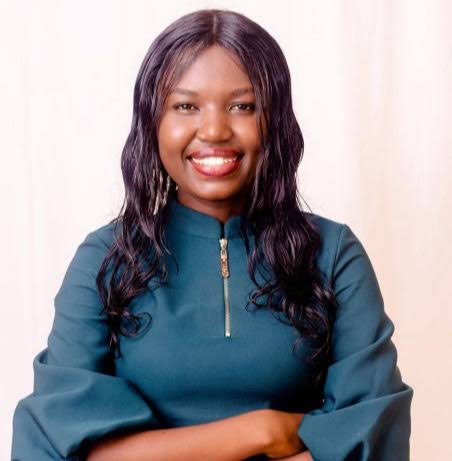
Her startup, NovFeed, collects food waste such as potato peels, pineapple husks and expired fruit from local markets, ferments it with a selected mix of microbes, and turns it into protein-rich feed pellets. The product is now used by close to 500 fish farmers and costs roughly 25% less than imported feed.
A new factory that opened in May increased NovFeed’s production capacity twentyfold, and the company has also begun converting a fermentation byproduct into organic fertiliser.
“Fish should be a cheap source of protein in Tanzania, but it’s not,” Orembe said.
Paschal Kija
Paschal Kija, 28, trained as a medical student in Tanzania, where postpartum haemorrhage remains one of the leading causes of maternal death. Some 200,000 women die annually across Africa from complications that better-resourced facilities can typically manage.
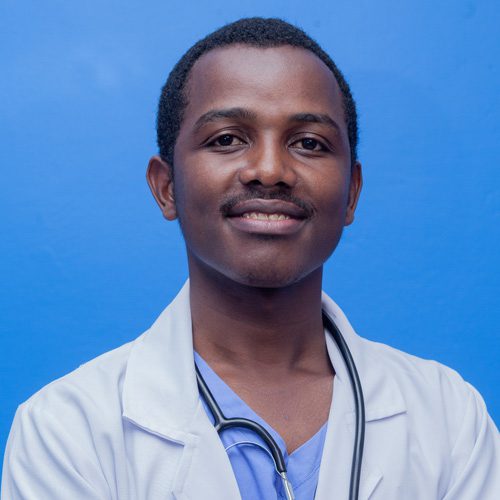
One patient his team could not save had travelled more than 60 miles for a blood transfusion. With medical school colleague James Kalema, Kija designed the Mkanda Salama (“Safe Wrap”), a $70 belt made of elastic foam and medical-grade fabric with a hand-operated pump that lets staff apply and monitor abdominal compression.
A 2023 study found that the device stopped postpartum bleeding in 73% of women within 20 minutes. His startup, Afya Lead, has deployed the wrap in 85 facilities across Tanzania and is now running clinical trials with the UN Population Fund and Tanzania’s main government health research institution.
Also read: Anthropic researcher quits, warning AI superintelligence could kill humanity
Loza Tadesse
Loza Tadesse, 34, is the group’s outlier: an Ethiopian-born mechanical engineering professor now at MIT.
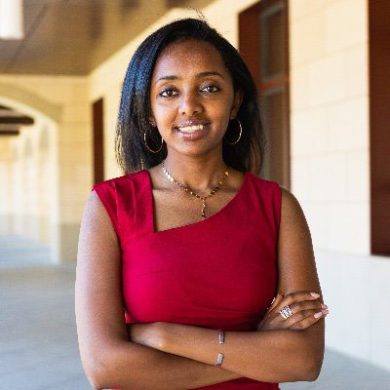
As a medical student in Ethiopia, she saw how the absence of basic diagnostic equipment, like MRI or CT scanners, limited care in rural clinics. Her lab has since built a sensor that can diagnose pneumonia through a simple breath test, and developed SpectroGen, an AI tool that generates multiple types of spectroscopic readings, such as Raman, x-ray and infrared, from a single measurement.
In tests, SpectroGen’s results matched nearly 700 conventional laboratory measurements of mineral samples.
“I could carry a simple instrument … that brings this whole big lab with me,” Tadesse said.
Why the list matters for Africa
No Nigerian made this year’s cut, which is notable given the country’s frequent presence on comparable global indexes. Technext reported in August that Nigerian-born Stanford professor Oluwasanmi Koyejo was one of three Africans named to the 2026 TIME100 AI list, alongside honourees from Senegal and Tunisia.
Read also: Nigeria’s Oluwasanmi Koyejo is one of 3 Africans in the 2026 TIME100 AI list
This year’s four African honourees split into two distinct patterns: home-grown startups solving local problems in Kenya and Tanzania, and diaspora researchers advancing their work from within elite Western institutions, as with Tadesse at MIT.
Both Nguthiru and Kija are already working to extend their technologies beyond their home countries, suggesting the impact of this year’s list may reach further across the continent than the four names on it.