FreezeCheck says 47 proposed USDT freezes on TRON remained uncompleted after receiving only one signature in a two-signature approval process, with 39 of the targeted wallets subsequently sen
FreezeCheck says 47 proposed USDT freezes on TRON remained uncompleted after receiving only one signature in a two-signature approval process, with 39 of the targeted wallets subsequently sending out a combined 23.1 million USDT. The research was released after an embargo expired at 18:05 UTC on 22 November 2026.
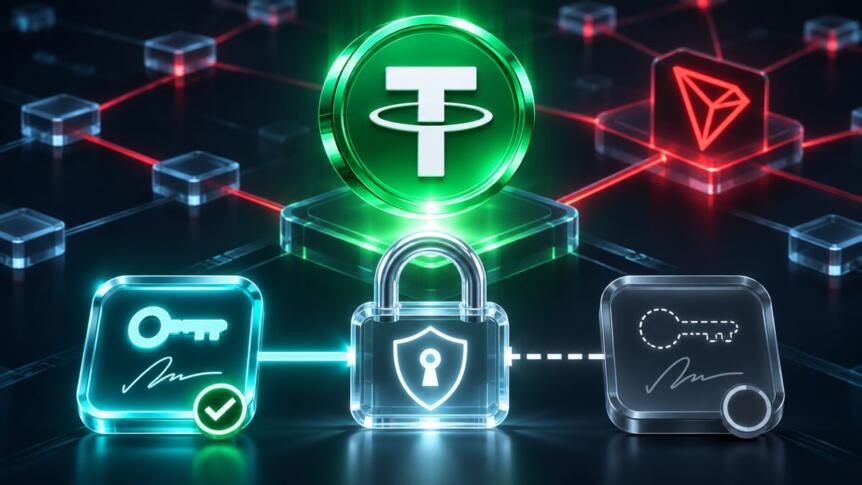
The finding concerns the difference between proposing a freeze and actually restricting transfers. According to the researchers, a first signature makes the target address publicly visible on-chain, but the USDT restriction does not take effect until the required second confirmation is supplied.
A proposal is not an executed freeze
FreezeCheck says it examined 11,958 proposals in the relevant multisignature contract, covering activity since February 2021. For the 47 addresses included in the study, the freeze proposal had one confirmation, remained unexecuted and had not resulted in a blacklist entry at the principal snapshot on 20 November.
The researchers say they rechecked the contracts before publication on 22 November and found that none of those addresses had received a second signature or become frozen. These are observations at stated check times, rather than a guarantee that the addresses’ status will remain unchanged.
The distinction matters for anyone interpreting blockchain records. A proposed administrative action is evidence that a transaction was submitted. It should not be described as a completed restriction, or treated as equivalent to an issuer’s final decision.
The research reports outgoing transfers from 39 of the 47 addresses after the first signature. Thirteen wallets began moving USDT within 15 minutes; those wallets accounted for approximately $8.8 million in subsequent outflows.
FreezeCheck also identifies closely timed activity in batches from June and July 2026. In the supplied briefing, it says first transfers in those cases occurred within approximately four to nine minutes of the proposal.
Those timings do not establish that a wallet operator monitored the proposal or acted because of it. They show an ordering of observable events. Nor does a pending freeze proposal, by itself, establish that an address owner committed an offence.
The published methodology adds another useful qualification: one transfer moved between two addresses included in the dataset. Gross outgoing transfers totalled 23,120,376 USDT, while the amount leaving the set of 47 wallets after removing that internal transfer was approximately $22.8 million.
Verification and limits of the research
FreezeCheck says it read proposal states directly from the contracts and cross-checked transfer totals using TronGrid and Tronscan. It has published a downloadable dataset with proposal identifiers and transaction hashes, allowing other researchers to inspect the underlying cases.
The company told us there had not yet been an independent external review. This article reports its findings and methodology; it does not represent an independent reconstruction of every transaction in the dataset.
The researchers say they requested comment from Tether on 20 November and had not received a response when the report was published. That statement describes FreezeCheck’s contact with the company. It should not be read as an explanation for any individual proposal.
Why the missing second signature remains an open question
The blockchain can reveal submitted transactions, confirmations and transfers. It cannot, on its own, explain a signer’s reasoning, an off-chain review or whether a proposal was superseded or submitted in error.
For exchanges, investigators and payment services, the practical issue raised by the report is therefore one of status interpretation: checking only an executed blacklist and reviewing pending proposals answer different questions. A pending proposal is not a substitute for a current blacklist check, and either observation needs context.
This is a separate dataset from FreezeCheck’s earlier address-poisoning research, which we covered previously. The complete study, its limitations and the linked transaction data are available in FreezeCheck’s report on uncompleted TRON freeze proposals.
This article was originally published as FreezeCheck Finds 47 Uncompleted Tether Freeze Proposals on TRON on Crypto Breaking News – your trusted source for crypto news, Bitcoin news, and blockchain updates.