BitcoinWorld German Business Sentiment Dips: IFO Current Assessment Falls to 86.5 in July Germany’s IFO Current Assessment index, a key measure of the country’s business climate, declined to
BitcoinWorld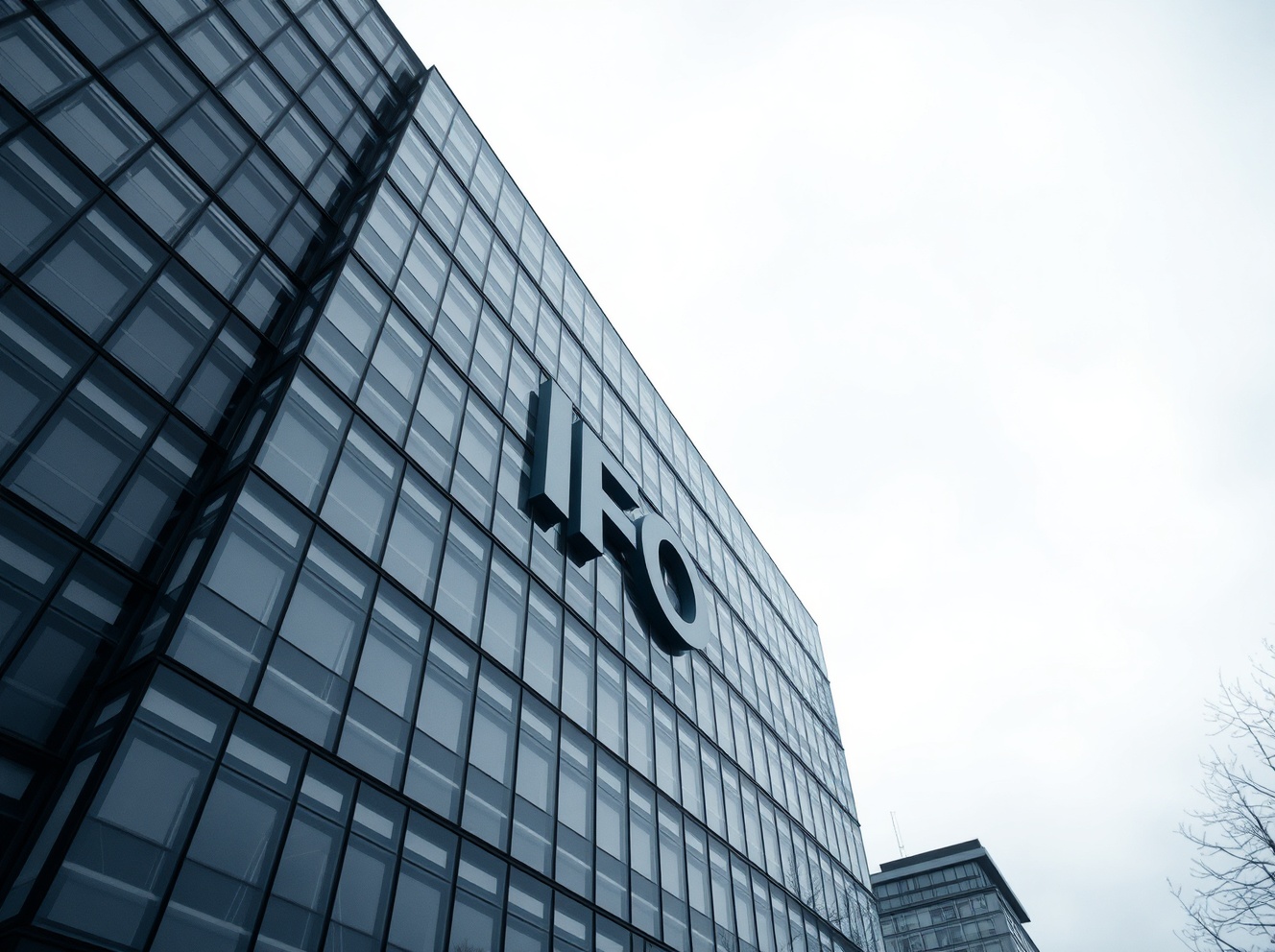 German Business Sentiment Dips: IFO Current Assessment Falls to 86.5 in July
Germany’s IFO Current Assessment index, a key measure of the country’s business climate, declined to 86.5 in July, down from a revised 87.0 in June. The latest reading underscores the persistent challenges facing Europe’s largest economy as it navigates a period of industrial weakness and subdued global demand.
What the IFO Current Assessment Measures
The Current Assessment component of the IFO Business Climate Index surveys approximately 9,000 German firms across manufacturing, services, trade, and construction. It asks executives to evaluate their current business situation as good, satisfactory, or poor. A reading below 100 signals a contractionary environment, where more firms report poor conditions than good ones. The July figure of 86.5 continues a trend of stagnation, hovering near levels last seen during the energy crisis of 2022-2023.
Context and Implications for the German Economy
The decline from 87.0 to 86.5, while modest, reinforces the narrative of a German economy struggling to gain momentum. Key headwinds include high energy costs, a prolonged downturn in the manufacturing sector, particularly in automotive and chemicals, and weakening export orders from China and the United States. The services sector, which had been a bright spot earlier in the year, is also showing signs of cooling.
Economists view the Current Assessment as a more reliable snapshot of present economic health than the Expectations component, which measures forward-looking sentiment. The persistent weakness in this indicator suggests that a rapid recovery is unlikely in the near term. For policymakers, this data point adds pressure for structural reforms and investment incentives to revive industrial competitiveness.
Why This Matters for Investors and Markets
For financial markets, the IFO data is a closely watched leading indicator. A sustained decline in the Current Assessment can influence the European Central Bank’s monetary policy stance, particularly regarding interest rate decisions. A weaker German economy reduces inflationary pressures, which could support arguments for rate cuts. Conversely, if the data signals a deeper recession, it may increase risk aversion in European equities and the euro currency.
Conclusion
The July IFO Current Assessment reading of 86.5 confirms that the German economy remains in a low-growth phase, with no immediate signs of a turnaround. The data serves as a sobering reminder of the structural challenges ahead and will be closely analyzed by policymakers and market participants for its implications on the broader Eurozone outlook.
FAQs
Q1: What is the IFO Current Assessment index?The IFO Current Assessment is a sub-index of the IFO Business Climate Index. It measures how German businesses rate their current situation, based on a survey of around 9,000 firms. A value below 100 indicates that more companies view their situation as poor than good.
Q2: Why did the IFO Current Assessment fall in July?The decline to 86.5 from 87.0 reflects ongoing weakness in German industry, particularly manufacturing and exports. High energy costs, subdued global demand, and a cooling services sector are the primary factors weighing on business sentiment.
Q3: How does the IFO index affect the euro and European stocks?A weak IFO reading can pressure the euro lower and dampen sentiment for European stocks, as it signals economic weakness in the Eurozone’s largest economy. It may also increase expectations for ECB interest rate cuts, which could have mixed effects on currency and bond markets.
This post German Business Sentiment Dips: IFO Current Assessment Falls to 86.5 in July first appeared on BitcoinWorld.