Smartphone shipments are expected to decline globally by 12.2% year-on-year (YoY) in 2026, representing a 152 million unit drop from 1.246 billion units recorded in 2025 to 1.093 billion unit
Smartphone shipments are expected to decline globally by 12.2% year-on-year (YoY) in 2026, representing a 152 million unit drop from 1.246 billion units recorded in 2025 to 1.093 billion units.
According to an analytical report by Omdia on Tuesday, the drop is expected to be driven by recent scarcity and a hike in memory prices. This was supported by an average DRAM and NAND flash memory, which recently rose by more than 80% quarter-on-quarter in Q1’26. More hikes are expected by Q2’26 through the second half of 2026.
In addition, the report noted that a projected increase in average selling price of a smartphone from $467 in 2025 to $565 in 2026 is expected to drive the drop in smartphone shipments.
While reacting to the industry prediction, Jusy Hong, Senior Research Manager at Omdia, noted that the global smartphone industry is going through a period of significant disruption. He mentioned that vendors (manufacturers) are managing their inventories to reduce the rising cost pressures as effectively as possible.
“Some vendors are gaining early-mover advantages by increasing component inventories to minimise the impact of future price hikes,” he added.
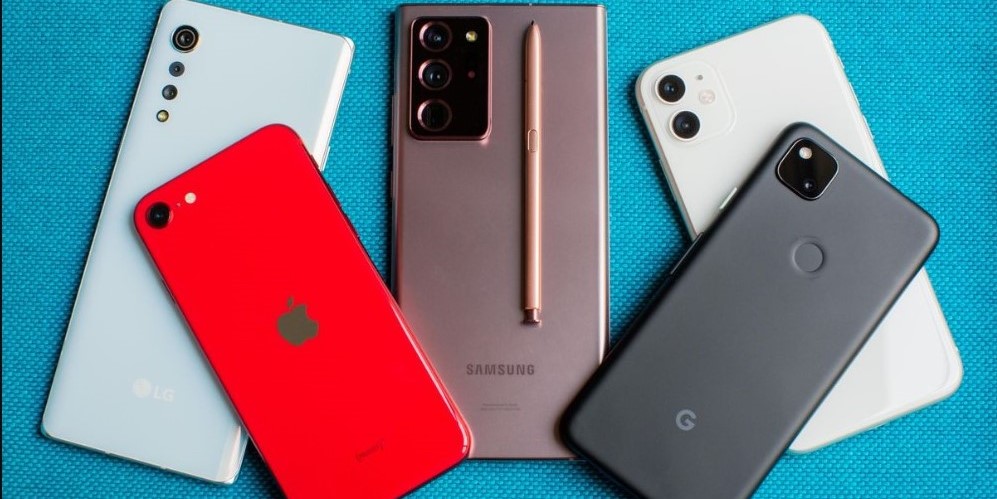
Smartphones
The projected decline in shipments comes after several indications of chip hikes owing to its refocus on AI models. It also reveals how scarcity, a surge in chip prices, and escalating regional conflicts have continued to impact importation and exportation of smartphones globally.
Industry players had previously projected that the smartphone market would witness a price rise due to a drop in production. However, the demand for refurbished devices is expected to rise as customers react to market prices.
Experts pointed out that the surge in refurbished devices will reduce shipment volume as consumers sought alternatives amid shortages in originals and price hikes.
Also Read: Global smartphone shipments decline by 6% YoY in Q1’26.
Pressures on smartphone shipments continue in 2027
During the first quarter of 2026, global smartphone shipments declined 6% YoY, signalling the onset of pressure on the device market. The negative trend is now expected to run through 2026.
Now, the pressure might extend to 2027. According to the report, the transition is expected to run till the second half of 2027, with the easing phase to start in 2028.

A Google Quantum Chip
“Once the DRAM and NAND pricing starts to stabilise and plateau at new levels, the market is expected to enter a phase of stabilisation, where the focus will shift back to other starting priorities,” Hong noted.
He added that “the transition to a readjustment phase is currently anticipated in early 2028”, expected to be driven by an increase in supply capacity.
Meanwhile, the report did not rule out the possibility of earlier or short-term ease. Hong noted that this will “depend on how AI data centre demand develops.”
Overall, memory prices are expected to begin correcting towards the end of 2027. The baseline cost of manufacturing sub-$100 smartphones is expected to remain too high to support a drop in end-user pricing.