BitcoinWorld Global Yields Steady After Sharp Spike From U.S.-Iran Clash: What Markets Are Watching Global bond yields stabilized in Wednesday trading, pulling back from the sharpest single-s
BitcoinWorld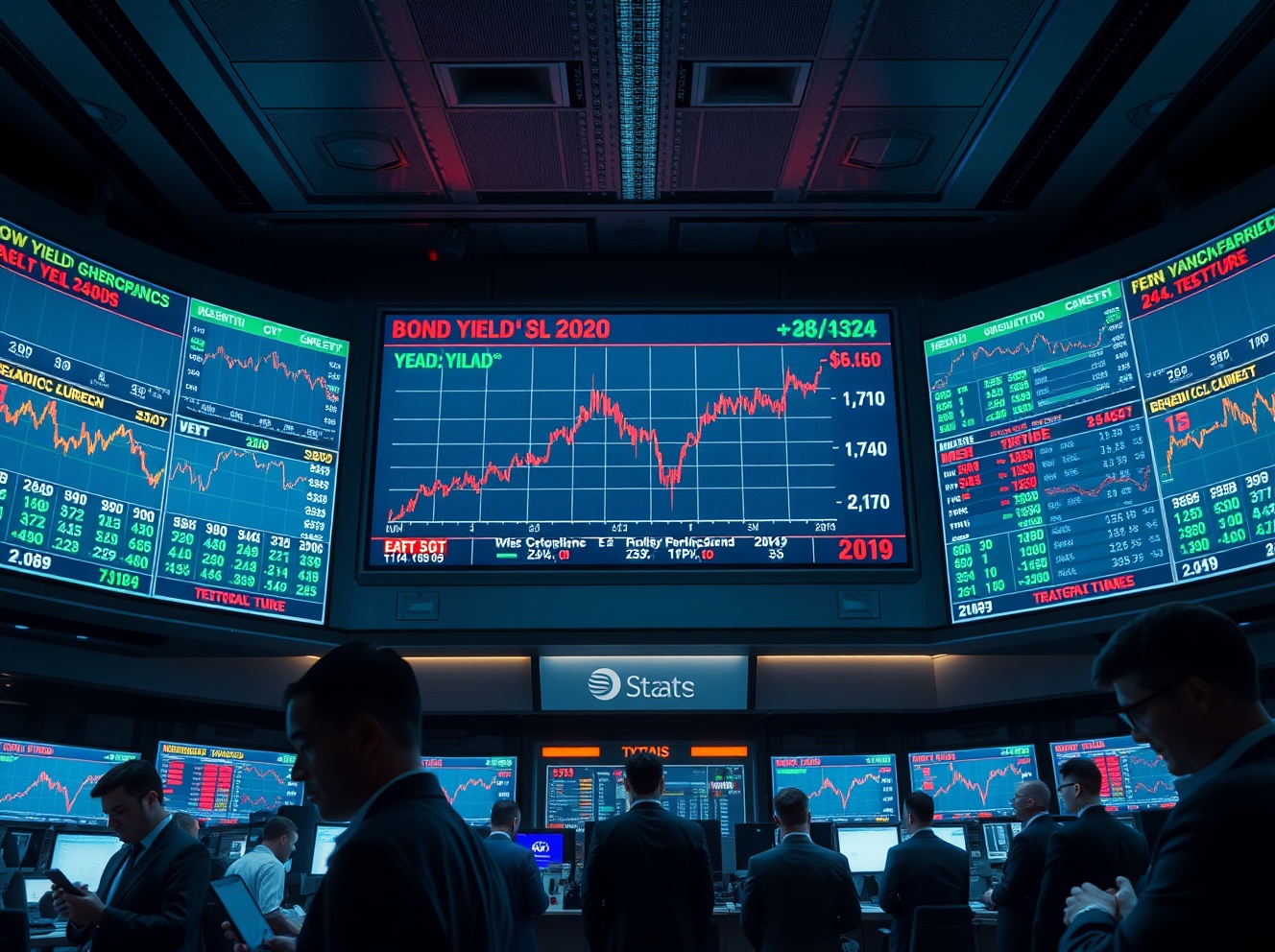 Global Yields Steady After Sharp Spike From U.S.-Iran Clash: What Markets Are Watching
Global bond yields stabilized in Wednesday trading, pulling back from the sharpest single-session spike in months triggered by a military confrontation between the United States and Iran. The retreat suggests that markets are reassessing the immediate risk of a broader conflict, though the underlying geopolitical premium remains elevated.
Market Reaction to the Escalation
The yield on the benchmark 10-year U.S. Treasury note surged as much as 15 basis points on Tuesday following reports of a direct U.S. strike on Iranian military assets in the Persian Gulf. The move marked the largest intraday jump since the regional banking turmoil in early 2024. By Wednesday morning in New York, the yield had settled near 4.32%, still above the previous week’s close but well off the session highs.
European sovereign bonds followed a similar trajectory. Germany’s 10-year Bund yield rose 10 basis points at the peak before stabilizing at 2.58%. The UK gilt yield saw comparable volatility, while Japanese government bonds remained relatively insulated due to the Bank of Japan’s yield curve control policy.
Why Yields Spiked — And Then Stabilized
The initial spike reflected a classic flight to liquidity rather than a broad risk-off move. Investors sold Treasuries to raise cash and rebalance portfolios amid uncertainty, pushing yields higher. However, as diplomatic channels remained open and both sides signaled a desire to avoid all-out war, the panic selling subsided.
Analysts at major investment banks noted that the sell-off was amplified by thin liquidity during the Asian session. Once European and U.S. traders entered, the market found a clearing price. ‘The move was violent but orderly,’ said a senior fixed-income strategist at a Wall Street bank. ‘The real question is whether this is a one-off or the start of a sustained repricing of geopolitical risk.’
Implications for Investors
For bond investors, the episode underscores the fragility of the current market environment. Inflation data remains sticky, central bank policy paths are uncertain, and geopolitical flashpoints are multiplying. The U.S.-Iran clash adds another layer of complexity to portfolio positioning.
Safe-haven demand for gold and the Swiss franc also surged during the escalation, while oil prices briefly spiked above $85 per barrel before retreating. The stabilization in yields suggests that markets are pricing in a limited, contained conflict — but that assumption could unravel quickly if the situation deteriorates.
Conclusion
The stabilization of global yields after the U.S.-Iran clash provides a temporary reprieve for bond markets, but the underlying risks remain. Investors should monitor diplomatic developments and central bank communications closely. The episode serves as a reminder that geopolitical shocks can disrupt even the most liquid markets, and that diversification across asset classes remains a prudent strategy.
FAQs
Q1: Why did bond yields spike after the U.S.-Iran clash?Yields rose sharply as investors sold Treasuries to raise cash amid uncertainty, a classic liquidity-driven move. The spike was amplified by thin trading conditions during the Asian session.
Q2: What does yield stabilization mean for the broader market?Stabilization suggests that markets are pricing in a contained conflict with limited economic fallout. However, any escalation could trigger renewed volatility across bonds, currencies, and commodities.
Q3: How should investors position their portfolios after this event?Investors should maintain a diversified portfolio that includes safe-haven assets like gold and short-duration bonds. Monitoring geopolitical developments and central bank policy signals is essential for adjusting exposure.
This post Global Yields Steady After Sharp Spike From U.S.-Iran Clash: What Markets Are Watching first appeared on BitcoinWorld.