Precious metals took a sharp hit on Friday after a stronger-than-expected US jobs report effectively shut the door on Federal Reserve rate cuts, sending gold and silver to their steepest sing
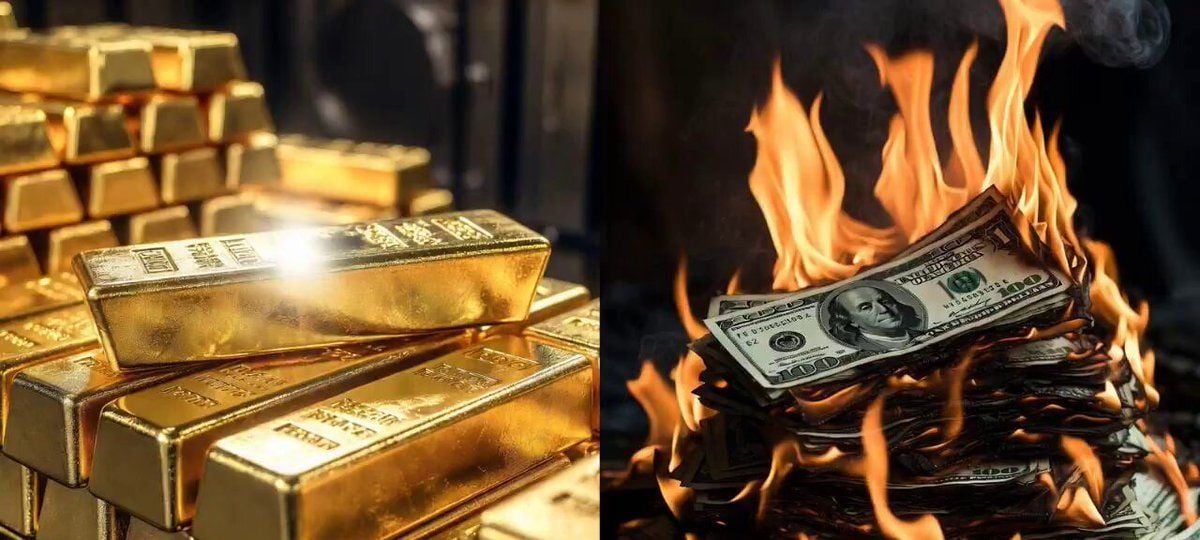
Precious metals took a sharp hit on Friday after a stronger-than-expected US jobs report effectively shut the door on Federal Reserve rate cuts, sending gold and silver to their steepest single-session losses in months.
Gold declined $146.50, or 3.27%, settling at a spot price of $4,339.61 per troy ounce, while silver led the complex lower, falling $5.26, or 7.17%, to close at $68.57 per troy ounce.The sell-off reflected a rapid repricing of monetary policy expectations, as markets moved decisively to reduce the probability of rate reductions at upcoming Federal Open Market Committee meetings.
The May nonfarm payroll report revealed the US economy added 172,000 jobs, significantly above the forecasted 85,000, while the unemployment rate held steady at 4.3%.The Bureau of Labor Statistics simultaneously revised the prior month's count upward by more than 60,000 jobs, meaning the cumulative labor market picture was even stronger than the headline figure suggested.This prompted investors to increase bets on a Federal Reserve interest rate hike, with markets now pricing in a quarter-point increase by year-end.
Silver Takes the Bigger Hit
Silver's steeper percentage decline relative to gold reflects the metal's dual identity as both a monetary asset and an industrial commodity. In addition to monetary headwinds from the jobs data, silver faced additional pressure tied to deteriorating industrial demand sentiment as global equities posted their worst single-session decline since April 2025.
The US Dollar Index advanced 0.65% on the session in direct response to the jobs data, making dollar-denominated commodities more expensive for international buyers. Simultaneously, Treasury bond prices fell and yields rose, increasing the opportunity cost of holding non-yielding assets such as gold and silver.
A Structural Deficit That One Friday Cannot Erase
Despite the brutal session, silver's longer-term supply picture remains tight. The silver market is expected to remain in deficit for a sixth consecutive year in 2026.Physical investment is forecast to rise by 20 percent to a three-year high of 227 million ounces. After three consecutive years of decline, Western physical investment is expected to recover in 2026, as silver's price performance and ongoing macroeconomic uncertainty rekindle investor interest.
Since 2021, the market has drawn down a cumulative 762 million troy ounces from above-ground stocks to cover the gap between supply and demand.Total global silver supply is forecast to increase by only 1.5 percent in 2026, reaching a decade high of 1.05 billion ounces, leaving little room to close the shortfall. As analysts have noted, one Friday's data can move prices, but it does not move ounces.
For gold, the medium-term picture also has structural supports. Despite Friday's correction, the structural demand backdrop for precious metals remains supported, with central bank accumulation continuing to provide a foundational floor under gold and persistent geopolitical uncertainty across the Middle East reinforcing the long-term case for physical ownership.
Sources:Tex Metals: Precious Metals Market Update, June 5, 2026Silver Institute: Global Silver Investment to Remain Strong in 2026BullionVault: Gold Erases 2026 Price Gains on Jobs Shock