Gold or Bitcoin? Institutions No Longer Think They Have to Choose
For years, investors debated whether Bitcoin would replace gold. Increasingly, institutional investors are taking a different approach: owning both.
A
AnonymousCryptoCompass newsroom
June 4, 2026
6 min read
ANALYSIS
CryptoCompass editorial visual for bitcoin coverage.
Gold or Bitcoin? Institutions No Longer Think They Have to Choose
The Debate That Refuses to Die
Bitcoin supporters call it digital gold.
Gold investors argue that no digital asset can replace thousands of years of monetary history.
For years, markets treated the relationship as a competition.
Either Bitcoin wins.
Or gold wins.
But institutions may be approaching the question differently.
Instead of choosing one asset over the other, many investors are beginning to view Bitcoin and gold as complementary tools within a broader portfolio strategy.
Why Gold Still Matters
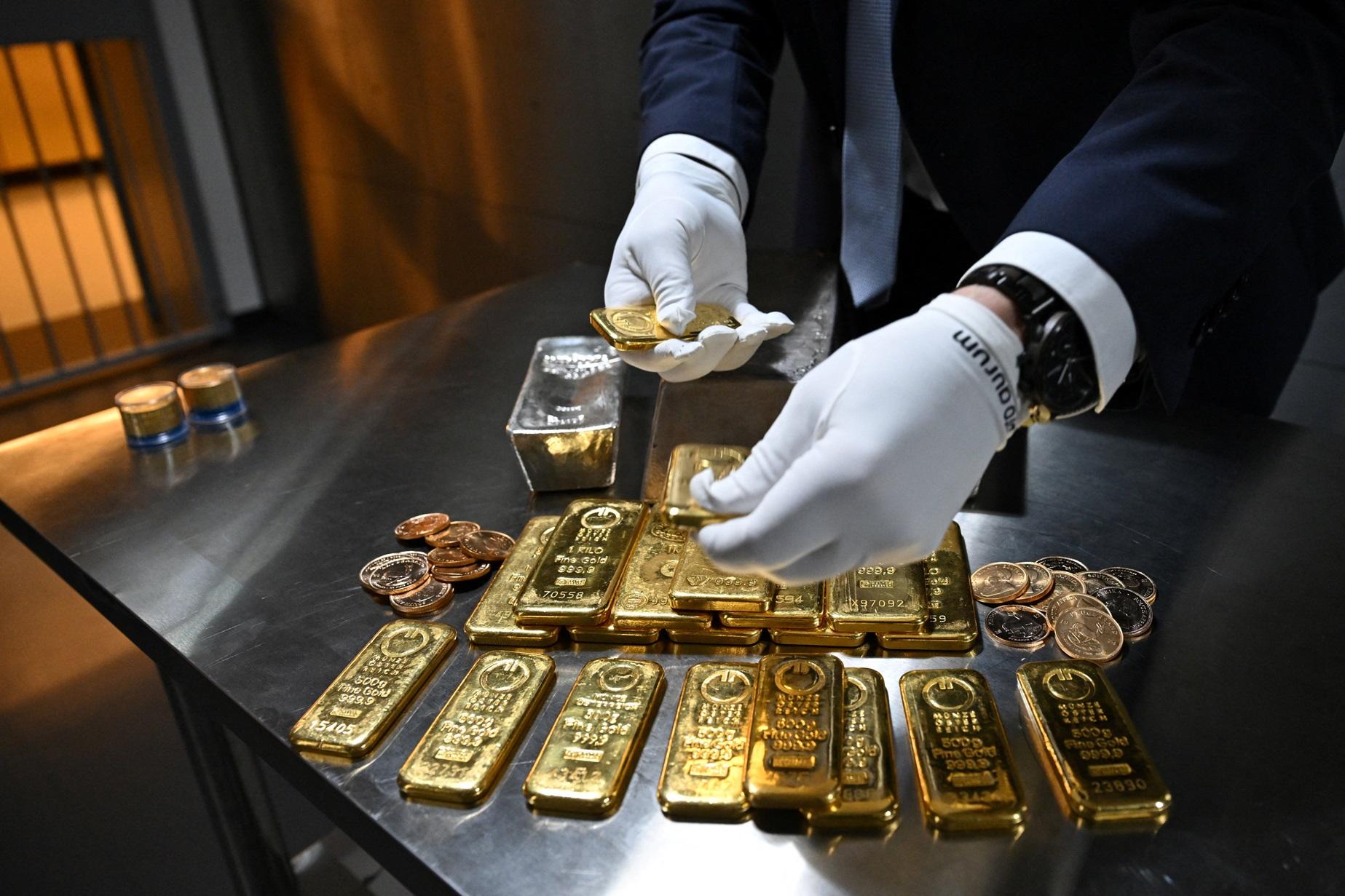
Central banks continue accumulating gold reserves as part of long-term diversification and risk management strategies.Source: Reuters
Gold remains one of the world's most trusted stores of value.
Central banks continue accumulating reserves.
Governments hold it.
Institutional investors use it to diversify portfolios and hedge against uncertainty.
Gold's greatest advantage is its history.
It has survived wars, financial crises, inflationary periods, and monetary transitions.
That credibility remains difficult to replicate.
Why Bitcoin Is Attracting Capital
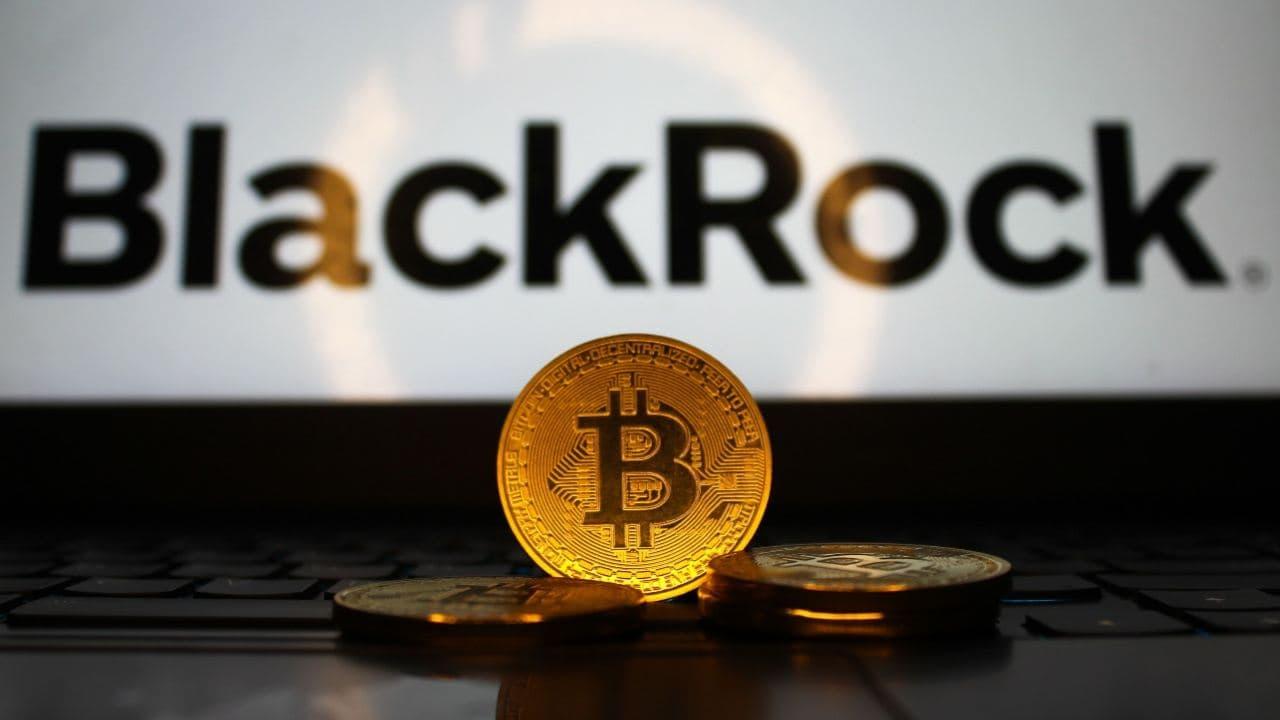
Spot Bitcoin ETFs have expanded institutional access to digital assets, accelerating Bitcoin's integration into traditional finance.Source: Reuters
Bitcoin offers something gold cannot.
Scarcity that can be verified instantly.
Global transferability.
24/7 liquidity.
A growing institutional ecosystem.
The emergence of spot Bitcoin ETFs has significantly lowered barriers for traditional investors.
As a result, Bitcoin is increasingly being evaluated alongside other macro assets rather than as a purely speculative investment.
The New Institutional Approach
The old debate assumed investors needed to choose.
The new approach suggests otherwise.
Gold can provide stability.
Bitcoin can provide asymmetric growth potential.
Together, they offer exposure to two different forms of scarcity.
This perspective is becoming increasingly common as institutions seek diversification in an uncertain economic environment.
Why This Matters
Markets often frame investment decisions as binary choices.
Stocks versus bonds.
Growth versus value.
Gold versus Bitcoin.
Reality is usually more complex.
Institutional investors are increasingly building portfolios designed to survive multiple economic outcomes rather than relying on a single narrative.
Looking Ahead
The question may no longer be whether Bitcoin replaces gold.
The more important question may be how both assets coexist within modern portfolios.
As adoption continues to expand, the relationship between the world's oldest store of value and its newest challenger will remain one of the most closely watched themes in global markets.
CryptoCompass View
The smartest investors rarely ask which asset wins.
They ask how different assets work together.
Gold and Bitcoin may be less like competitors and more like partners in a changing financial system.
Navigate Markets. Discover Opportunities.
Frequently Asked Questions
Is Bitcoin replacing gold?
Not necessarily. Many institutional investors increasingly view Bitcoin and gold as complementary assets rather than direct competitors.
Why do investors compare Bitcoin and gold?
Both assets are scarce, independent of corporate earnings, and often discussed as stores of value.
What advantage does gold have?
Gold benefits from thousands of years of history, widespread acceptance, and lower volatility.
What advantage does Bitcoin have?
Bitcoin offers portability, transparency, fixed supply, and growing institutional accessibility through ETFs.
What should investors watch?
ETF flows, central bank gold purchases, interest rates, and institutional allocation trends remain important indicators.
BitMine Immersion Technologies (BMNR) said on Monday that it holds more than 6 million Ethereum (ETH) after buying 17,362 tokens in the week ending September 27. The latest buy was smaller th
Spot gold was down about 2.7%at $4,171.85 by 06:27 GMT, while U.S. gold futures fell 2.7% to $4,204.30. The decline pushed bullion to its weakest level since early August. The move is a sharp
Crypto Market Today: Bitcoin, Ethereum and Altcoins Face Pressure The crypto market today is under pressure. Total value fell 2.07% to $2.85 trillion in 24 hours, and Bitcoin slid to $83,029,