BitcoinWorld Gold Slips as Inflation Worries Fade and Rate Hike Fears Recede Gold prices edged lower on Tuesday, retreating from recent gains as market sentiment shifted on growing expectatio
BitcoinWorld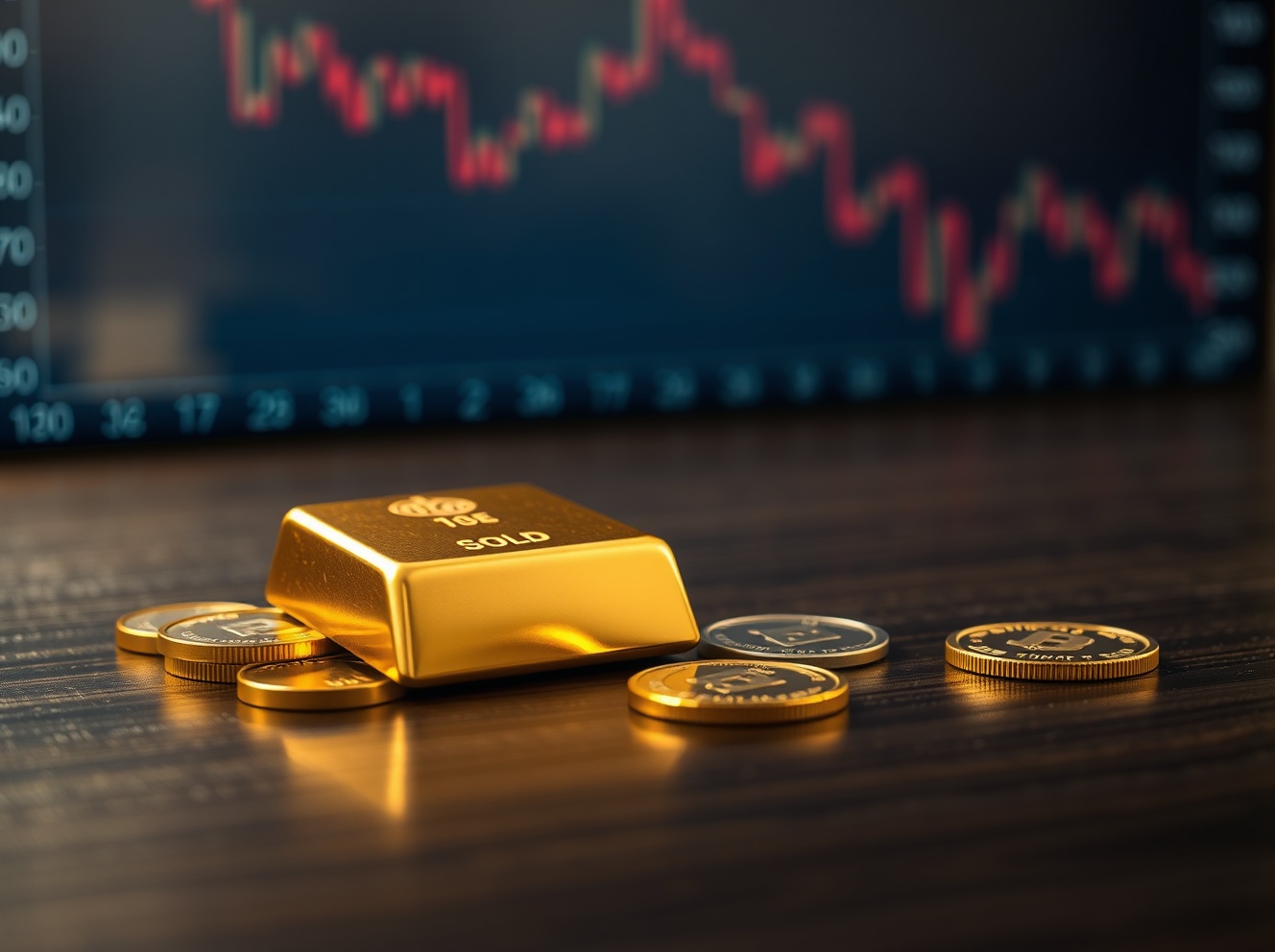 Gold Slips as Inflation Worries Fade and Rate Hike Fears Recede
Gold prices edged lower on Tuesday, retreating from recent gains as market sentiment shifted on growing expectations that inflation and aggressive interest rate hikes may be easing. The decline comes despite a backdrop of geopolitical uncertainty that would typically support safe-haven demand for the precious metal.
What’s Driving the Move Lower?
The primary catalyst appears to be a recalibration of monetary policy expectations. Recent economic data has shown signs of cooling inflation, leading traders to reduce bets on further rate increases by major central banks, including the Federal Reserve. While lower rates are generally positive for non-yielding assets like gold, the market is currently pricing in a ‘soft landing’ scenario, reducing the urgency for safe-haven positioning.
Gold, which had rallied in recent weeks on the back of banking sector stress and recession fears, is now facing profit-taking. The move lower suggests that investors are rotating out of defensive positions and back into risk assets, such as equities, as confidence in the economic outlook improves.
Market Reaction and Key Levels
Spot gold was last seen trading down around 0.5% on the day, hovering near the $2,300 per ounce level. The decline was broad-based, with silver and platinum also tracking lower. Analysts note that gold’s failure to hold above key resistance levels has triggered technical selling, adding to the downward pressure.
From a technical perspective, the $2,280–$2,300 zone is now a critical support area. A break below this level could open the door for a deeper correction toward $2,200, while a bounce would signal that buyers remain interested at lower prices.
Why This Matters for Investors
The pullback in gold highlights the complex interplay between inflation data, central bank policy, and market psychology. For long-term holders, the dip may present a buying opportunity, especially if inflation proves stickier than expected or if economic growth disappoints. However, short-term traders should be cautious, as the market may remain volatile until the next set of inflation and employment data provides clearer direction.
The broader message is that gold’s traditional role as a hedge against inflation and uncertainty remains intact, but its price path is increasingly tied to the evolving narrative around interest rates and economic growth.
Conclusion
Gold’s decline reflects a market that is cautiously optimistic about the economic outlook, but risks remain. Investors should monitor upcoming economic releases and central bank commentary for further clues on the direction of monetary policy. For now, the precious metal is in a wait-and-see mode, with its next move likely dictated by data rather than headlines.
FAQs
Q1: Why is gold falling if inflation is easing?Gold is often bought as a hedge against inflation. When inflation fears recede, some investors reduce their gold holdings, leading to price declines. Additionally, easing inflation reduces the likelihood of further rate hikes, which can boost risk appetite and draw capital away from safe-haven assets.
Q2: Is this a good time to buy gold?That depends on individual investment goals. For long-term investors, dips can offer attractive entry points. However, short-term volatility remains high, and the market may continue to adjust as new economic data is released. Consulting a financial advisor is recommended.
Q3: What should investors watch next?Key factors include upcoming U.S. inflation reports (CPI and PCE), Federal Reserve meeting minutes, and employment data. Any surprise in these numbers could shift expectations and drive gold prices sharply in either direction.
This post Gold Slips as Inflation Worries Fade and Rate Hike Fears Recede first appeared on BitcoinWorld.