Nigerians can now check whether suspicious images, videos and audio clips circulating online were generated by artificial intelligence (AI), as Google opens its SynthID Detector to the public
Nigerians can now check whether suspicious images, videos and audio clips circulating online were generated by artificial intelligence (AI), as Google opens its SynthID Detector to the public with the 2027 general elections, just 3 months away.
The tool allows users to upload an image, video or audio file and check whether it carries an invisible watermark associated with AI-generated content from Google and participating partners.
The development could become particularly relevant as Nigeria moves towards the 2027 elections. The Independent National Electoral Commission (INEC) has scheduled the presidential and National Assembly elections for Feb 20, 2027, followed by the governorship and State House of Assembly elections on March 6.
During an election cycle, images, videos and audio recordings can be used to make claims about candidates, political parties or events. AI tools can also make it easier to create convincing synthetic media that may be difficult for an ordinary internet user to distinguish from genuine content.
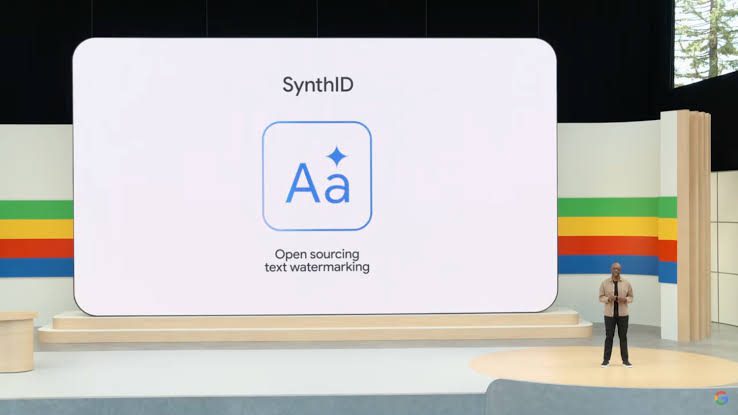
Google announced the public expansion of SynthID Detector on Oct 7, saying the tool is now available globally in English.
How SynthID works
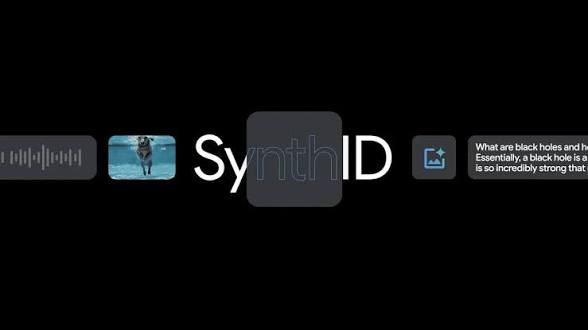
SynthID places an invisible watermark inside AI-generated media. Think of it as a hidden label that cannot normally be seen when someone views an image, watches a video or listens to an audio clip, but can be detected by compatible technology.
Google said it has so far watermarked more than 180 billion images and videos and 240,000 years of audio content.
Google first launched SynthID in 2023 and introduced an early version of the detector last year for media professionals. The company is now making the detector available to the wider public.
Read more: Google’s new ‘Nano Banana 2’ model lands in Nigeria, bringing high-end AI imagery to search
Google said the detector can check whether content was created using its AI systems or those of partners including OpenAI, NVIDIA and Kakao, with Apple expected to join the system.
The announcement does not state on its public blog that users must have a Google, Apple or OpenAI account to use the detector. Google’s accompanying communication, however, says users can access it with an account from any of the three providers.
What the detector cannot tell you
SynthID is not a universal AI detector. It is designed to identify compatible watermarks, meaning content created by an AI system that does not use SynthID or a compatible watermark may not be detected.
A file returning no SynthID result therefore does not automatically prove that it was created by a human. Users may still need to check the original source, compare reports from credible outlets and use other fact-checking methods.
Google said SynthID Detector joins verification features already built into Search, the Gemini app and Chrome, which it says handle more than 1 million requests daily.
For Nigerian users, the public tool offers another way to examine suspicious digital media as the country moves closer to the 2027 elections, when the ability to distinguish authentic material from synthetic content could become increasingly important.
