Grayscale is setting up a quarterly comparison that puts Ethereum and Solana staking side by side, framing the two networks as a recurring cash-style showdown rather than a one-off token-pric
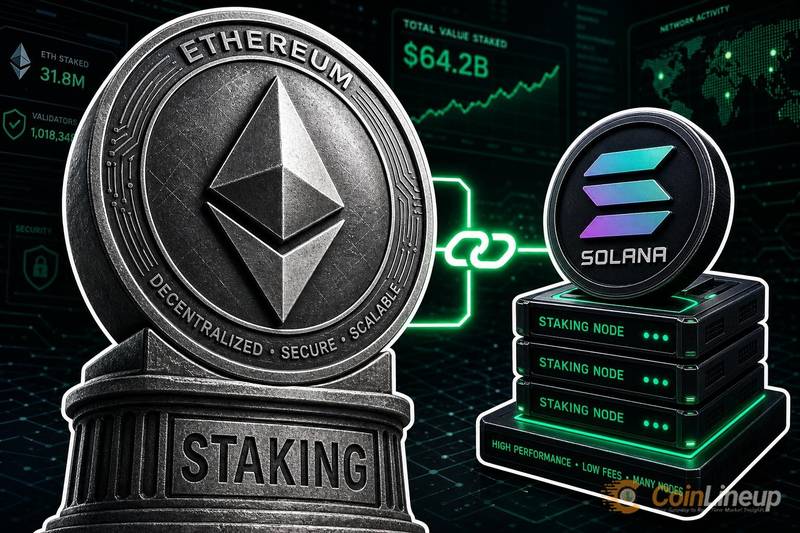
Grayscale is setting up a quarterly comparison that puts Ethereum and Solana staking side by side, framing the two networks as a recurring cash-style showdown rather than a one-off token-price story. The setup, not any confirmed payout results, is what is being announced.
What Grayscale Is Setting Up Between Ethereum and Solana Staking
A quarterly cash showdown means Grayscale intends to line up Ethereum staking against Solana staking on a repeating, period-by-period basis. The emphasis is on how each network's staking stacks up every quarter, not on a single snapshot. For related coverage, see Stablecoin Issuers Face July 2028 Compliance Deadline.
The important caveat is scope. This is a comparison structure, not a published scorecard of winners or returns, and Grayscale, whose product mechanics and disclosures are documented in its own resource and FAQ materials, has not confirmed payout figures here. For related coverage, see Bitcoin Proposal BIP-361 Targets Protections for Vulnerable Wallets.
- The news: Grayscale is framing Ethereum and Solana staking as a recurring quarterly comparison.
- The scope: This is about the setup and format, not confirmed payout results.
- The angle: The "cash showdown" wording points to income-style framing rather than pure price speculation.
Why Ethereum and Solana Staking Make a Useful Head-to-Head Test
Staking is the process of locking up a network's token to help secure the blockchain in exchange for periodic rewards. Ethereum and Solana are the two assets named in the setup, and both run staking systems that generate ongoing rewards for participants. For related coverage, see Circle President Heath Tarbert Backs USDC as Rival Pressure Grows.
The two are worth comparing because their staking can differ in ways that matter to an investor: reward rates, how quickly funds can be unlocked, and the design of each network can all shape what a holder actually receives. Grayscale has increasingly packaged single-asset crypto exposure into regulated wrappers, as seen when it updated its NEAR ETF filing with custody details, and a head-to-head format extends that packaging logic to staking.
Head-to-head framing implies the differences between the two are meaningful enough to track, rather than interchangeable. That is the practical reason to run them against each other quarter after quarter.
Why the Quarterly Payout Angle Matters for Crypto Investors
The phrase "quarterly cash" shifts attention toward income, a framing that mirrors how traditional finance products report dividends or interest on a fixed schedule. For readers used to those products, a recurring payout comparison is easier to follow than raw staking jargon.
Grayscale's role signals an institutional packaging angle, consistent with a broader move to make staking accessible without hands-on custody, an approach also visible as firms like Anchorage Digital add staking without leaving custody. Turning staking into a periodic, cash-style comparison fits that institutional-friendly presentation. Grayscale's product structures are laid out in its public regulatory filings.
Income framing does not remove the underlying risks. A staking yield comparison says nothing about token price risk, and staking itself carries risks such as lock-up periods and network conditions that can affect what a holder ultimately keeps.
What to watch next is concrete: fuller product details from Grayscale and the first reporting period, which would turn this setup from a comparison format into actual, published numbers.
Disclaimer: This article is for informational purposes only and does not constitute financial or investment advice. Cryptocurrency and digital asset markets carry significant risk. Always do your own research before making decisions.
Read original article on coinlineup.com