
Markets1 min read
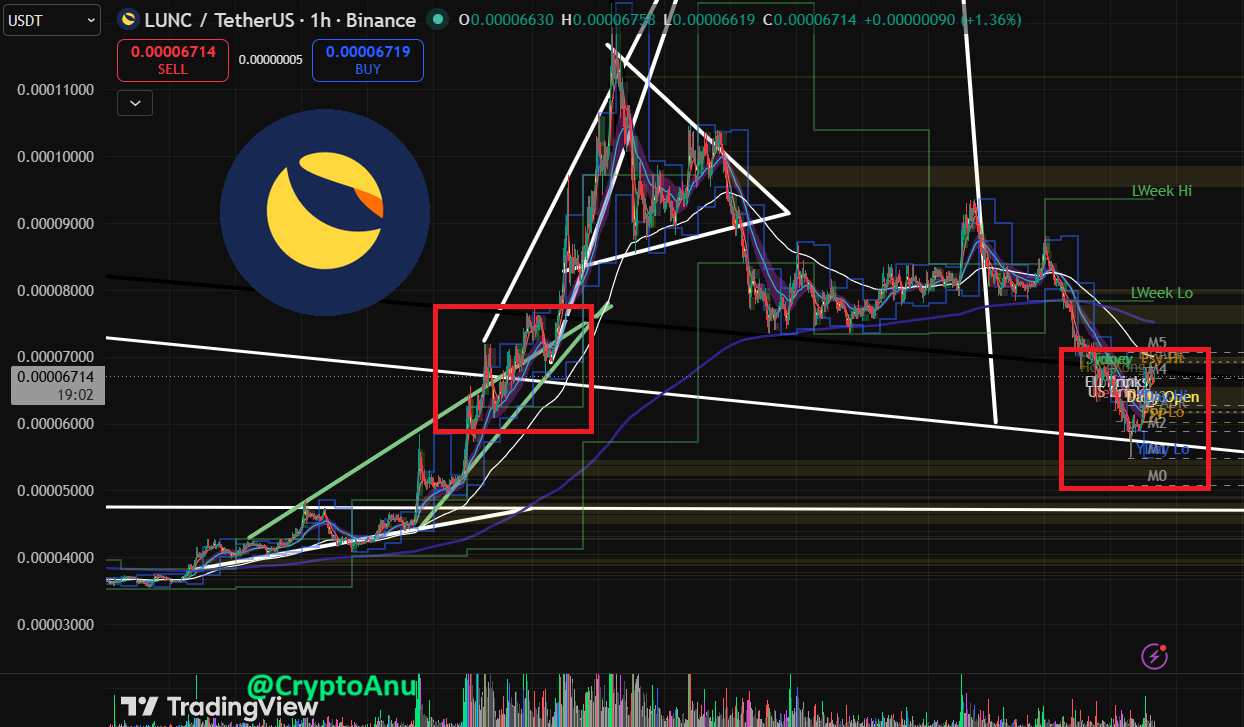
LUNC retest done.
Wow. $LUNC came all the way down for the retest. LWeekHi → LWeekLo. Now watching if support holds. This is where conviction gets tested. $LUNA $USTC #TERRACLASSIC #LUNACLASSI
How to Mine, Withdraw and Trade GTC in 2026 GTech Network Listing Date is the main query users search before mining, withdrawing or trading GTC in 2026. The reason is simple. People want to k
GTech Network Listing Date is the main query users search before mining, withdrawing or trading GTC in 2026. The reason is simple. People want to know whether the project is active, whether the coin can be claimed, whether the app is safe, whether the contract address is real, and whether GTC is already tradable on exchanges.
This guide explains GTech Network from a user-first angle. It covers the mining flow, withdrawal checklist, wallet setup, trading steps, exchange status, contract-address safety, scam warnings, price-risk logic, total supply questions, and the difference between official updates and community rumours.
The article also treats listing claims carefully. Several previous market updates discussed May 30, 2026, BingX, LBank and Binance Alpha expectations. Later updates reported a delay, while market data pages still show limited or unavailable live trading data. That means readers should verify the latest announcement directly before depositing funds, buying from a third party, or trusting a screenshot.
For background, readers can compare CoinGabbar’s GTC burn update, GTC presale details, and GTC utility update.
GTech Network is promoted as a mobile-first crypto mining and community-growth project around the GTC coin. The public project website describes GTC as a mining network where users can mine coins for free and join early before wider exchange access. This makes it similar in format to other tap-to-earn, app-mining and social-task crypto campaigns.
The project’s pitch is built around low-barrier participation. Users download the app, complete tasks, grow their network, mine or collect app-based rewards, and later look for withdrawal or listing opportunities. This structure attracts users searching for “GTech mining,” “GTech Network login,” “GTech Network airdrop,” and “how to withdraw GTC.”
However, app-based mining projects need stricter safety checks than normal listed coins. A token can look active in a community before it has liquid markets. A claimed price may not equal a tradable market price. A wallet balance inside an app may not equal exchange-ready liquidity. Users should verify official channels, contract addresses, withdrawal status and exchange support before taking action.
For exchange-side context, check CoinGabbar’s exchange listing analysis and GTC TGE update.
The most important user question is whether GTC is live for open trading. As of the latest checked public market pages, Gtech Coin was still shown as unavailable to trade on CoinGecko, while BingX’s buying guide stated that the coin was not listed on BingX yet. This means users should not assume that every exchange rumour is already live.
Earlier updates discussed a May 30, 2026 timeline and possible exchange access. Later reporting said the launch was delayed because of market conditions. That makes the GTech Network Listing Date topic sensitive. It should be updated only after an official post, exchange notice or market-data confirmation appears.
Users should also avoid confusing GTech Coin GTC with Gitcoin GTC. Both can appear in search results because they share the same ticker. Gitcoin is a separate project. Always check the contract address, project website, logo, exchange page and asset name before buying.
Mining GTC is generally described as app-based participation rather than hardware mining. Users do not need ASIC machines, expensive GPUs or large electricity setups. Instead, the model appears closer to social-task mining, network growth, app check-ins, referrals and reward accumulation.
This kind of mining is easy to start, but users should understand the difference between app rewards and liquid coins. App rewards may be shown before exchange access. They may require claim rules, eligibility checks, withdrawal windows, KYC steps, wallet connection or burn deadlines. Missing one step can affect whether a user receives a transferable balance.
Start only from the official project website or app-store listing. Avoid APK files shared in Telegram, WhatsApp, Facebook groups or unofficial YouTube comments. Fake mining apps can steal seed phrases, wallet permissions, login details or device data.
Use a fresh password and avoid reusing your email password. If the app asks for phone verification, referral code or profile details, complete only the required steps. Never share exchange passwords, recovery phrases or wallet private keys.
Most mining-style apps require daily check-ins, task completion, community actions or referral-based engagement. Track your claim history and screenshot key balances only for personal records. Do not post sensitive wallet or account details publicly.
Projects often introduce claim windows, burn events, wallet deadlines or eligibility snapshots. If a deadline is announced, verify it from official channels and cross-check it with credible coverage before acting. CoinGabbar has tracked related updates through the mining end notice and GTC phishing guide.
If GTC uses a BSC-compatible route, users may need a wallet such as MetaMask, Trust Wallet or Binance Web3 Wallet. Add the correct network, verify the contract address, and test with a small amount before moving the full balance.
Withdrawal is the step where many users make mistakes. A wrong chain, fake contract, phishing link, copied wallet address, or unsupported exchange deposit can lead to permanent loss. Treat withdrawal as a security process, not just a button click.
Start with a small test withdrawal if the app allows it. Wait for confirmation. Check the transaction hash on the correct blockchain explorer. Only after the test is successful should users consider moving a larger balance.
Once the balance reaches a wallet, do not immediately connect the wallet to random websites. Many fake claim pages ask users to approve malicious contracts. If a page asks for unlimited token approval, seed phrase, private key or secret recovery phrase, close it immediately.
For further reading, review CoinGabbar’s Binance Alpha update and delay and roadmap report.
Trading should begin only after a confirmed exchange market is live. A real listing page should show the asset name, trading pair, deposit status, withdrawal status, order book, market depth, 24-hour volume, official exchange notice and contract details where relevant.
Users should not buy from a random decentralized exchange pool simply because someone says it is “the real GTC.” Copycat tokens often appear before highly searched launches. Scammers use the same ticker, similar logo, and fake liquidity to trap buyers.
Check whether the pair is GTC/USDT, GTC/BNB, GTC/USDC or another market. A real exchange page should show live bids, asks, price movement and trading volume.
Sometimes an exchange opens trading before withdrawals or deposits. This can create abnormal price action. If deposits are closed, early price may be thin and volatile.
New listings can move sharply in both directions. Limit orders help avoid buying far above expected price because of spread, slippage or sudden volatility.
Even if the launch looks strong, a new coin can drop after first-day hype. Size positions carefully and never trade with rent, debt, tuition, tax money or emergency funds.
Save screenshots or exports of buys, sells, wallet transfers and transaction hashes. This helps with tax records, cost basis and dispute support if an exchange transaction fails.
Searches for GTech Network price, GTech coin price, GTech token price and GTC price prediction show that users want a number before trading begins. This is risky because a projected listing price is not the same as an open-market price.
A launch target can be set by the team, discussed by media or repeated by community members. The real market price depends on liquidity, demand, sell pressure, exchange depth, circulating supply, token unlocks, market conditions and trader confidence.
If the coin starts trading after a delay, early volatility can be even higher. Some users may sell mined or presale balances immediately. Others may hold for a later exchange listing. The opening price can therefore move quickly and may not match presale expectations.
CoinGabbar has covered GTC price themes through the GTC price prediction, Binance BingX outlook, and official update watch.
“GTech Network real or fake” and “is GTech Network legit” are high-value search queries because app-mining projects attract both genuine users and scammers. The best answer is not a blind yes or no. A safer review checks evidence.
Users should treat every token launch as high risk until exchange liquidity, contract data, circulating supply and withdrawal status are independently verifiable.
Search demand around “GTech Network contract address,” “GTC contract address BSC,” and “GTC token contract address BSC” shows that users are trying to add the coin to wallets or trade it through decentralized routes.
This is also where mistakes are common. Do not copy a contract from random comments, Telegram messages or influencer images. Use official project channels, trusted market-data pages, exchange notices or verified blockchain explorers.
GTech Network airdrop and mining queries suggest that users are looking for free GTech Network token rewards. Free campaigns can be useful for discovery, but they should not be treated as guaranteed income.
Most airdrop-style projects use eligibility rules. These can include daily mining, referral thresholds, task completion, wallet submission, KYC, claim deadlines, snapshot dates or withdrawal windows. Users should read the latest instructions carefully and avoid relying on old screenshots.
GTC listing searches often mention BingX, LBank and Binance Alpha. These names matter because each route has a different meaning. A full centralized exchange listing is not the same as a Web3 wallet discovery feature or launch-zone exposure.
BingX-related search demand is strong because earlier articles discussed expected GTC access. However, users should check the exchange’s own page before assuming deposits or trading are live.
LBank is often associated with early altcoin launches and wider retail access. If GTC appears there, users should still check real order-book depth, deposit status and withdrawal rules.
Binance Alpha can provide visibility through the Binance Web3 Wallet ecosystem, but it should not be confused with a full Binance spot listing. This distinction matters for trader expectations.
For more timeline context, see CoinGabbar’s launch delay explainer, Telegram game update, and June 2026 listing update.
Users can approach GTC in three different ways: mining rewards, presale allocation or exchange buying. Each route has a different risk profile.
Mining may require time, tasks and referrals rather than money. The risk is that app rewards may not become liquid, or withdrawal rules may change before listing.
Presale buyers may receive a lower entry price, but they face vesting, claim, listing-delay and liquidity risks. A projected listing price is not guaranteed.
Open-market buyers wait for more confirmation but may pay a higher price if demand is strong. They still face volatility, slippage and first-day sell pressure.
Searches for GTech Network total supply and GTC token total supply show that users want to understand tokenomics. Supply matters because price depends not only on demand but also on how many coins can enter the market.
Burn events can reduce theoretical supply, but users should verify transaction hashes, current circulating amount, unlocked balances, team allocation, presale allocation, mining allocation and liquidity pool size. A burn headline is useful only if it can be checked on-chain.
New listings can be volatile. The first candle often reflects hype, thin liquidity, bot activity, presale exits and late buyers entering at market price. A safer approach is to wait for order-book stability.
Wait for confirmed listing, check volume, review spread, test deposit and watch the first few hours. This lowers risk but may miss early upside.
Buy only a small allocation after confirmation. Use limit orders and keep some funds aside in case price pulls back.
Enter near launch with strict risk limits. This can capture upside but carries the highest risk of slippage, failed deposits and sudden sell pressure.
Users should create a simple monitoring routine. Check the official website, app notice area, verified X account, exchange announcements, CoinGecko, CoinMarketCap, blockchain explorer and CoinGabbar updates. Do not rely on one Telegram screenshot.
Two useful external checks are the GTech official website and the GTC market profile. Use these as starting points, not as the only source of truth.
This article is for educational and informational purposes only. It is not financial, legal, tax or investment advice. GTC, GTech Network and related app-mining or listing activities carry high risk. Listing dates, exchange availability, contract addresses, mining rules, withdrawal rules, prices, supply data and roadmap items can change quickly. Always verify official project sources, exchange announcements, wallet details, local tax rules and risk disclosures before mining, withdrawing, buying, selling or holding any cryptoasset.