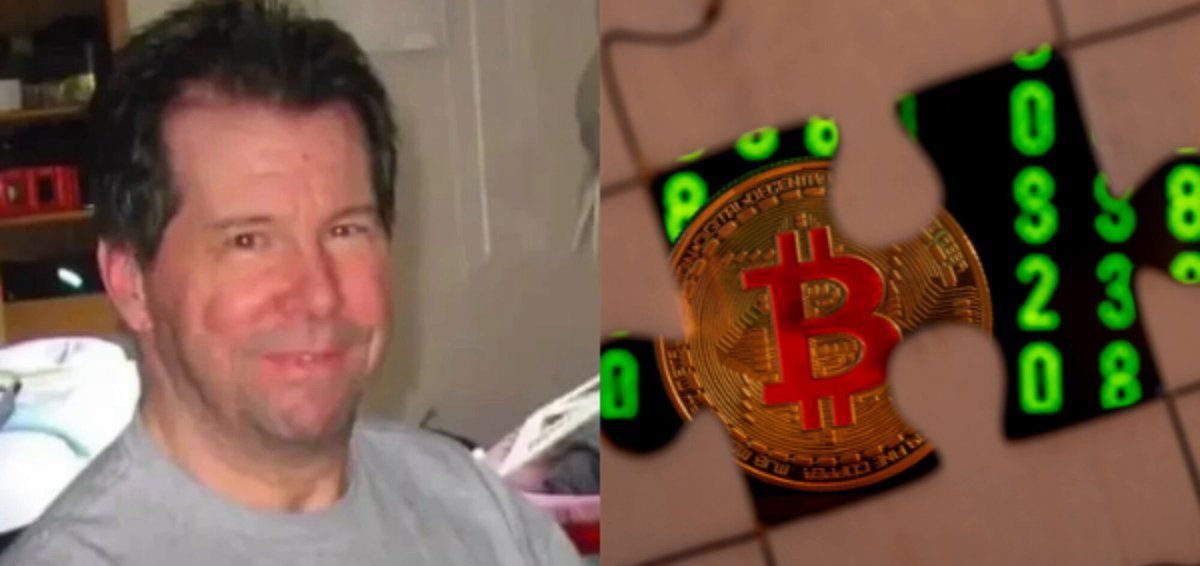
Hal Finney (@halfin) was the first person Satoshi Nakamoto ever sent Bitcoin to. On January 12, 2009, CoinGecko notes, he received 10 $BTC from Satoshi in Bitcoin block 170, making him the fi
Hal Finney (@halfin) was the first person Satoshi Nakamoto ever sent Bitcoin to. On January 12, 2009, CoinGecko notes, he received 10 $BTC from Satoshi in Bitcoin block 170, making him the first recipient of a Bitcoin transaction.
A cypherpunk before Bitcoin
Long before Bitcoin, Finney was a cypherpunk, part of the community of 1990s coders who built privacy tools. According to the Nakamoto Institute, he worked for PGP Corporation, where he developed some of the earliest PGP code, the encryption software. He also built the first anonymous remailer and RPOW (Reusable Proofs of Work), a proof-of-work based digital cash system. He launched RPOW in 2004, five years before Bitcoin went live.
When Satoshi released the first Bitcoin software in January 2009, Finney was among the first to run it. He posted "Running bitcoin" on Twitter on January 11, 2009, according to a timeline published by whatisbitcoin.com. In a 2013 forum post quoted by Cointelegraph, Finney said the coins were sent to him as a test, and that he spent the following days emailing with Satoshi, mostly reporting bugs that were then fixed.
The 10 BTC had no market value at the time. Cointelegraph described the transfer as likely a test of the blockchain's viability.
Satoshi speculation, ALS and cryopreservation
Some people have long suspected that Finney was Satoshi himself. Wikipedia's entry on Finney notes that he lived in the same Californian town as Dorian Satoshi Nakamoto for about a decade, which fed speculation, and that Finney denied being Satoshi. The question remains unresolved in public debate.
In August 2009, Finney was diagnosed with amyotrophic lateral sclerosis (ALS), a progressive disease that gradually removes control of the body. Finney announced the diagnosis publicly in October of that year, according to the cryptoanarchy.wiki. As the illness advanced, he kept programming. By March 2013 he described himself as essentially paralyzed but still working on code, including experimental software called bcflick, designed to strengthen Bitcoin wallets.
Finney died in Phoenix, Arizona, on August 28, 2014, aged 58. The Bitcoin Wiki records that he had arranged with the Alcor Life Extension Foundation to be cryopreserved after being declared legally dead. Cryopreservation involves freezing a body at extremely low temperatures in the hope that future technology might one day revive it.
Finney's contribution to Bitcoin's early days has been widely recognized. His earlier work on RPOW is often cited as groundwork for the proof-of-work design that Bitcoin later used.
Sources: