BitcoinWorld Hormuz Strait Disruptions Keep Oil Markets Under Pressure, Societe Generale Warns Global oil markets remain under significant strain as ongoing disruptions in the Strait of Hormu
BitcoinWorld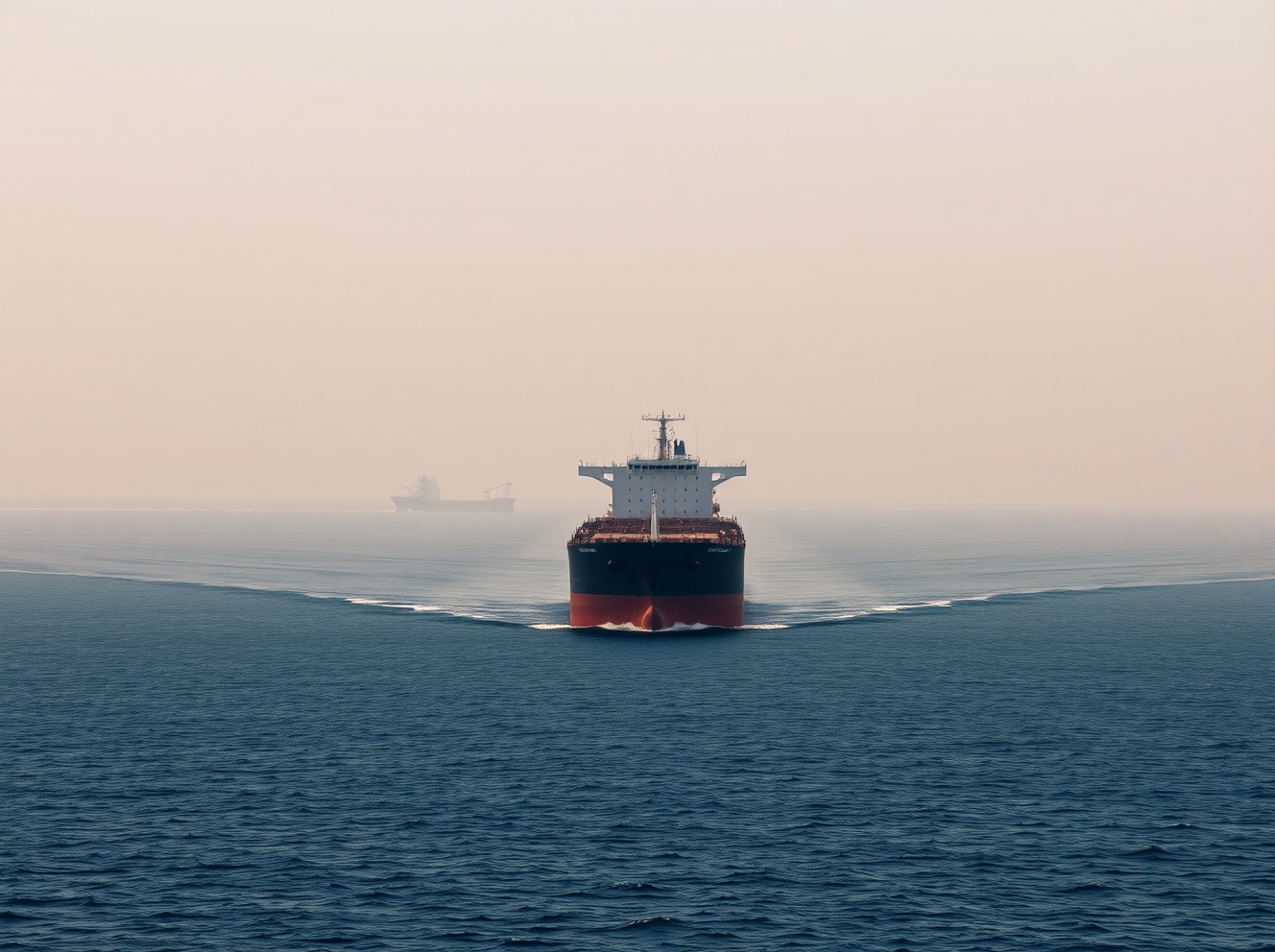 Hormuz Strait Disruptions Keep Oil Markets Under Pressure, Societe Generale Warns
Global oil markets remain under significant strain as ongoing disruptions in the Strait of Hormuz continue to threaten supply routes, according to a recent analysis from Societe Generale. The French banking and financial services firm highlighted that the situation in the critical Middle Eastern waterway is keeping prices elevated and volatility high, with no immediate resolution in sight.
Strategic Chokepoint Under Pressure
The Strait of Hormuz, a narrow passage between the Persian Gulf and the Gulf of Oman, is one of the world’s most strategically important oil transit chokepoints. Approximately one-fifth of the world’s total petroleum consumption passes through this waterway daily. Any disruption — whether from geopolitical tensions, military incidents, or diplomatic standoffs — directly impacts global crude supply and pricing. Societe Generale’s report underscores that the current strain is not merely a short-term event but reflects deeper, structural risks to energy security in the region.
Supply Risk and Market Reaction
Analysts at Societe Generale noted that the market has already priced in a significant risk premium due to the Hormuz situation. However, they caution that further escalations could push prices substantially higher. The bank’s assessment points to a tight supply-demand balance, with OPEC+ production cuts and reduced spare capacity amplifying the impact of any Hormuz-related outage. For traders and energy companies, the key takeaway is that the market remains vulnerable to sudden price spikes driven by headline risk from the region.
Implications for Global Energy Markets
For consumers and businesses, the strain in the Strait of Hormuz translates into higher fuel costs and increased uncertainty in energy planning. Import-dependent nations, particularly in Asia and Europe, are most exposed. The situation also accelerates the strategic shift toward diversifying energy sources and securing alternative supply routes. Societe Generale’s analysis serves as a reminder that geopolitical risk remains a dominant factor in oil price formation, one that is unlikely to fade in the near term.
Conclusion
The Strait of Hormuz disruptions represent a persistent and serious challenge for global oil markets. Societe Generale’s warning reinforces the view that the current market tightness is not a temporary phenomenon but a reflection of underlying geopolitical and supply-side vulnerabilities. Investors, policymakers, and industry stakeholders should continue to monitor developments in the region closely, as the potential for further price volatility remains high.
FAQs
Q1: Why is the Strait of Hormuz so important for oil markets?Approximately 20 million barrels of oil and petroleum products pass through the strait daily, making it the world’s most critical oil transit chokepoint. Disruptions there can quickly affect global supply and prices.
Q2: What kind of disruptions is Societe Generale referring to?The analysis points to ongoing geopolitical tensions in the region, including military posturing, shipping security incidents, and diplomatic conflicts that threaten the free passage of tankers through the strait.
Q3: How might this affect oil prices in the coming months?Societe Generale suggests that while a risk premium is already embedded in current prices, any further escalation could lead to sharp increases. The market remains highly sensitive to headlines from the region.
This post Hormuz Strait Disruptions Keep Oil Markets Under Pressure, Societe Generale Warns first appeared on BitcoinWorld.