The U.S. House Ways and Means Committee voted 38-5 to advance the Digital Asset Tax Certainty Act, sending the bill forward in the congressional process. The lopsided margin signals broad sup
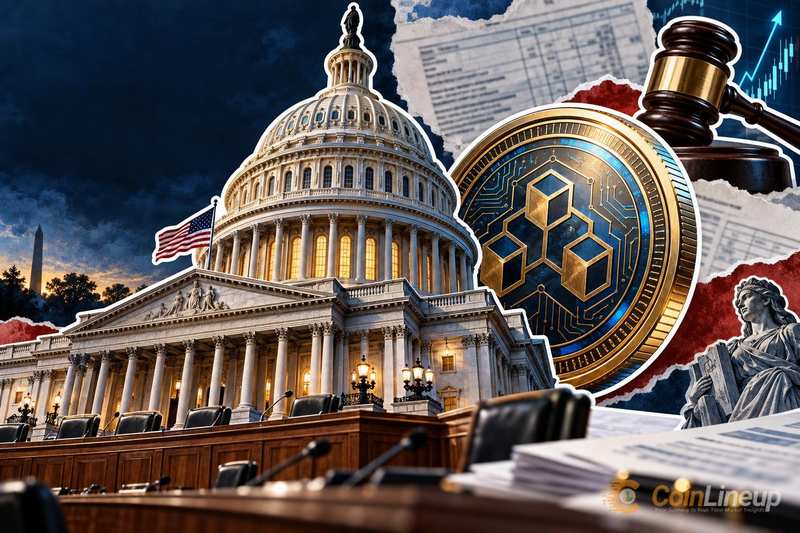
The U.S. House Ways and Means Committee voted 38-5 to advance the Digital Asset Tax Certainty Act, sending the bill forward in the congressional process. The lopsided margin signals broad support among committee members for bringing clearer tax rules to digital assets like cryptocurrency.
House committee advances the Digital Asset Tax Certainty Act
The House Ways and Means Committee, which oversees U.S. tax legislation, passed the Digital Asset Tax Certainty Act by a 38-5 vote. That margin means only five of the committee's members voted against advancing the measure. For related coverage, see Robinhood Engineers Accused of Token-Listing Trades.
A committee vote is not the same as a law. The bill must still pass the full House of Representatives, clear the Senate, and be signed by the President before it changes anything for crypto holders or businesses. For related coverage, see Circle Launches Arc Mainnet With USDC Gas Fees.
The bill's name points directly at its goal: certainty. Right now, many everyday crypto activities sit in a gray area under U.S. tax rules. The Digital Asset Tax Certainty Act aims to define how those activities are treated, so taxpayers know what they owe and when. This matters for anyone who uses, trades, or earns cryptocurrency in the United States.
This isn't the only crypto-related legislation moving through Congress. Lawmakers have also been reviewing a U.S. Strategic Bitcoin Reserve Bill at the committee level, suggesting digital asset policy is an active priority on Capitol Hill.
Why the vote matters for digital asset tax policy
Tax certainty is one of the most requested changes from the crypto industry. When tax rules are unclear, businesses struggle to plan, and individuals risk filing incorrectly without meaning to. A bill specifically named for "certainty" signals lawmakers are responding to that concern.
The 38-5 vote is notable because tax legislation often moves along party lines. A strong bipartisan-looking margin at the committee stage suggests the measure has enough support to move further through the legislative process, though committee votes and floor votes can produce very different outcomes.
For regular crypto holders, the practical takeaway is simple: nothing has changed yet. Your tax obligations today are the same as they were before this vote. But progress at the committee level means this bill is closer to becoming law than most crypto tax proposals have gotten in recent years.
Regulatory clarity for digital assets extends beyond taxes. The UK recently advanced its own crypto rules covering stablecoins and lending, showing that governments worldwide are actively working to define the legal framework around digital assets.
What happens next for the Digital Asset Tax Certainty Act
The bill now moves to the full House floor for a vote. If it passes there, it goes to the Senate, where it would go through its own committee review before a floor vote. Only after clearing both chambers does it reach the President's desk.
Each of those steps can stall, reshape, or kill a bill. The Ways and Means Committee passing the Digital Asset Tax Certainty Act is a meaningful milestone, but it is one step in a multi-step process.
Readers who want to stay current on this bill's progress should watch for House floor scheduling announcements and any Senate committee activity. Those developments, not the committee vote itself, will signal whether this measure has a real path to becoming law.
For now, crypto users in the U.S. should keep tracking their transactions and consult a tax professional about their obligations under current rules. The committee vote is promising, but current law still applies until Congress finishes the full process and the President signs any new bill into law.
Additional source references: source document 1.
Disclaimer: This article is for informational purposes only and does not constitute financial or investment advice. Cryptocurrency and digital asset markets carry significant risk. Always do your own research before making decisions.
Read original article on coinlineup.com