Across two Friday nights in September, SlowCo’s padel court in Ikoyi and then a living room full of founders in Lekki, the ecosystem’s most important question went unasked. Lagos tech’s busie
Across two Friday nights in September, SlowCo’s padel court in Ikoyi and then a living room full of founders in Lekki, the ecosystem’s most important question went unasked. Lagos tech’s busiest operators kept proving the same point: the most valuable thing this ecosystem can offer right now might be an evening where nothing is for sale.
The rally should have been unremarkable: two founders on each side of a padel court, both missing shots they’d claim they usually make, laughing hard enough to lose the point entirely. What struck me wasn’t the quality of the tennis; it was what wasn’t happening. Nobody was checking their phone for a calendar notification. Nobody’s eyes were drifting past their partner’s shoulder, scanning the arena for someone more useful to talk to. Nobody had asked me what I do.
That question, ‘so what do you do?’ is the currency of Lagos tech. It is asked within ninety seconds of any introduction in this city, and it is never really a question about you but a valuation. The answer determines whether the conversation continues and on what terms. We have built an ecosystem so fluent in transactions that even our leisure has an agenda: the panel with the hidden recruiting motive, the dinner that becomes an investor update, and the mixer where the business card is out of the blazer pocket before the hello is completed.
I have watched that performance choreography more times than I can count. The rehearsed small talk, the brittle smile, the firm handshake, and the pitch smuggled inside a compliment. So when an invitation called Paddle Pals landed in my inbox, my gut called it immediately: networking event in disguise. My gut is usually right about these things.

SlowCo’s Paddle Pals finalists
I went anyway, on 11 September, to Padel X. And then, because the first night broke my expectations badly enough, I went again two weeks later to a SlowCo house party with a guest list capped at forty founders and operators and a promise of “absolutely no boring networking”.
An economy with no room to breathe
It is worth mentioning that the Lagos tech ecosystem did not end up this way by accident. This is a city that wears hustle like a personality trait, that converted its coffee shops into co-working spaces and its weekend dinners into unofficial strategy sessions. The café in Lekki is a co-working space with a menu. Even the gym, in some corners of Victoria Island, has the quiet hum of term sheets being whispered between sets. Everything is somewhere, and everything is work. In the process, we built one of the most dynamic digital economies in the world and quietly demolished the third space, the sociological term for somewhere that is neither home nor office, where community happens without a commercial reason.
The cost is no longer anecdotal. A Flourish Ventures survey of 169 founders across 13 African countries, published in November 2024, found 86% had experienced mental health struggles tied to running their startups, 60% anxiety, 58% high stress, and 52% burnout. The detail that should stop every investor mid-meeting: among founders who described their companies as thriving, 76% still said their wellbeing had taken a serious hit. Success, by this ecosystem’s definition, was not protecting anyone.
And this is Nigeria, where the ordinary grind of fundraising sits on top of currency devaluation and regulatory whiplash. When the macroeconomic floor keeps shifting beneath you, a Friday night with no agenda stops being a luxury. It starts being maintenance and a much-needed reset.
How a tweet birthed SlowCo’s third space
None of this started as a strategy. It started with Nomba CEO Wale Yinka posting on X, almost idly, asking who else in the ecosystem played racket sports. And the replies gave the whole game away: Josh Chibueze of PiggyVest, Victor Fatanmi of Fourth Canvas, and Aubrey Niederhoffer of Swoop, names that carry real weight in this ecosystem, piling into the thread with an enthusiasm that had nothing to do with product-market fit. They were not angling for a keynote slot but just somewhere to play and ease off.
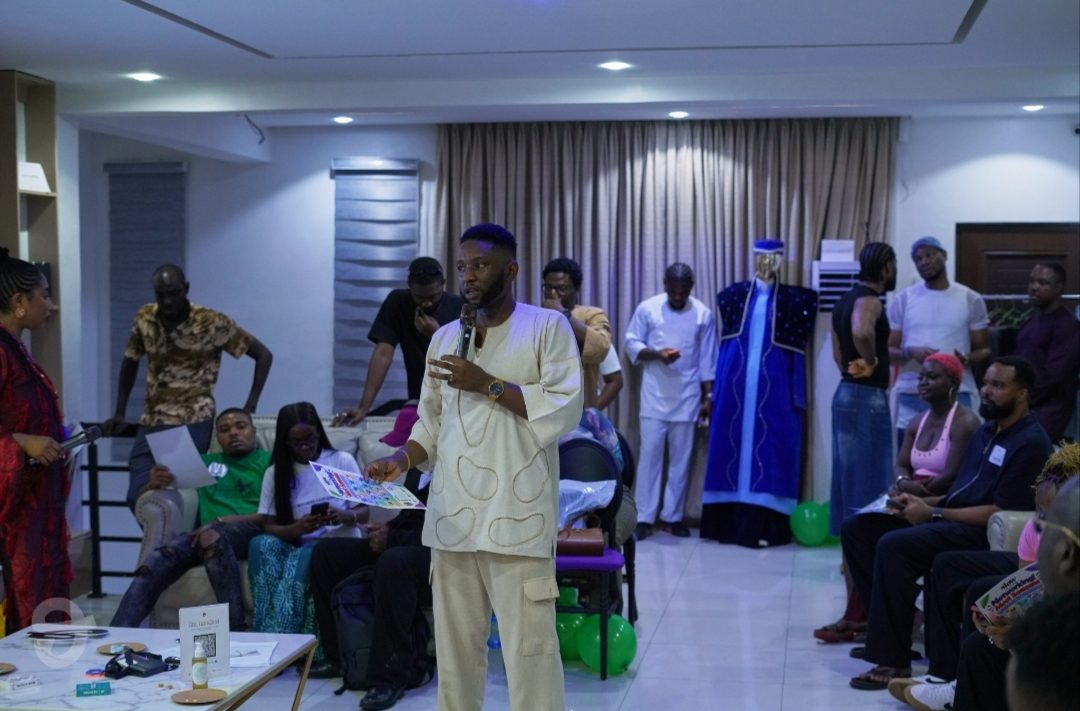
SlowCo’s House Party
SlowCo, a social club built around the philosophy of “Life, Handled”, read the thread and built the somewhere.
“Everyone is constantly building, pitching, investing, creating and solving problems,” SlowCo CEO Victor Onwe told me between matches. “We wanted to create spaces where people could put all of that down for a few hours. You don’t have to come looking for your next investor or client. You can just come and have a good time.”
What SlowCo built first was Paddle Pals, staged at Padel X in the heart of Ikoyi. The mechanics were simple and, it turned out, radical. Everyone willing to play got paired up on the courts, and nobody asked what anyone did for a living. A junior developer shared a court with a recognisable chief executive without the stiffness that pairing would carry in a boardroom. A founder played across the net from an investor with no idea what was in their portfolio and played better for it. Two operators who would never approach each other at a formal mixer found themselves strategising a rally together for the only reason that should ever matter on a court: they were on the same team.
Also read: Vibe Coding is rewriting product design: Ayomide Olukoga calls ‘human judgement’ the new moat for designers
This is what the disappearance of the valuation question does. Strip the titles away, and people stop performing status and start performing something much rarer: themselves, slightly out of breath, laughing at their own bad shots and yabs.
The house party on 25 September worked because SlowCo understood that the first achievement, getting people in the room without an agenda, had to be followed by a second one: giving the room a shape that didn’t slide back into transaction.
The answer was two moods. From 6 PM to 8 PM, a curated vendor pop-up let community members show the products they sell on the side. It was commerce without the pitch deck: support a friend’s business, hear the story behind it, and no twenty slides required. Then at 8 PM the house flipped into Founder Games: board games, cards, PS5 matches, and a hot seat that pulled personal stories out of people their LinkedIn profiles never would.
Somewhere in that stretch I fell into some deep conversations with founders that went on for hours: life, philosophy, everything in between. Neither of us mentioned work in the sense of a salesman. In Lagos, an hours-long exchange with a founder in which nobody mentions their startup isn’t rare because founders have nothing interesting to say. It’s rare because nothing in this ecosystem has trained us to listen to each other when there’s nothing to transact.
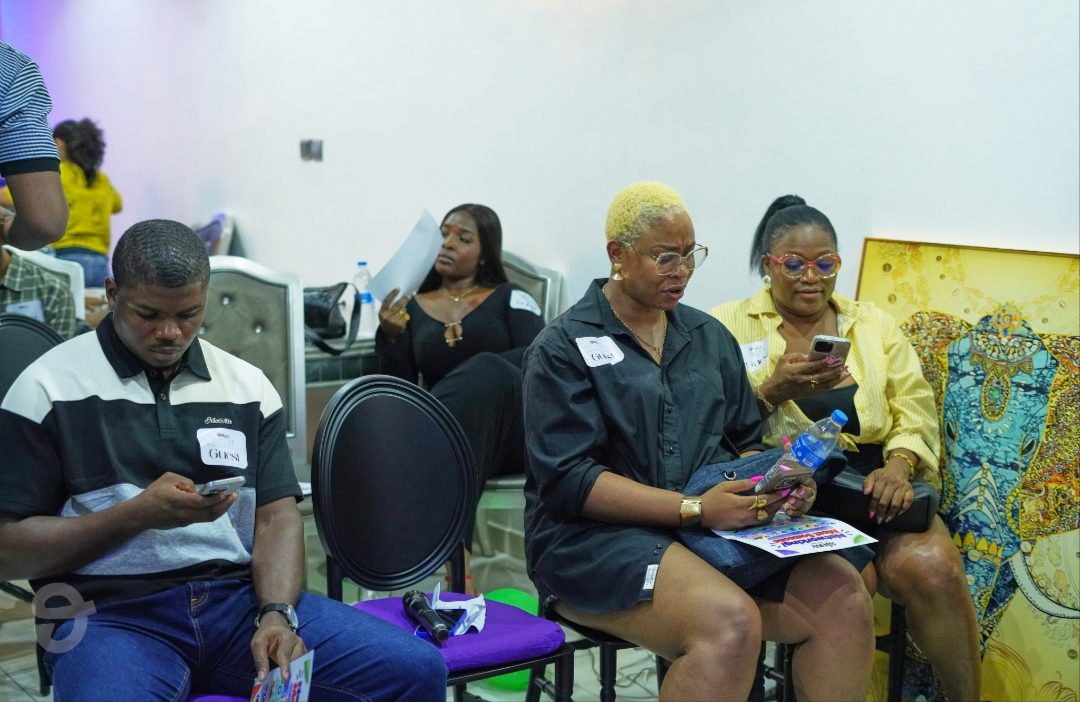
SlowCo’s House Party
This is happening elsewhere too: the cycling clubs in London, bouldering gyms in San Francisco, and tech workers are quietly opting out of the mixer worldwide, and Lagos is arriving at the correction a little late, but arriving. What makes the SlowCo experiment worth watching is the ambition behind it: a membership platform organising bi-monthly experiences across wellness, sport, food, culture, and social gatherings, creating opportunities for people to meet outside their usual professional circles, in an attempt to institutionalise downtime in a city that has historically treated rest as a character flaw.
Whether that scales commercially is an open question. But two Fridays in September taught me something the ecosystem has spent years refusing to say out loud: relentless grind has diminishing returns, for the people and for the companies alike.
Deals may as well come out of these nights; put forty smart people in a room, and serendipity does its work. But that is the point, and it is a reversal of everything the Nigerian tech ecosystem has practised. The connection comes first. The valuation question comes later, if it comes at all.