GTBank’s new 737 App made a strong first impression. Opening an account was quick and easy, and I had no issues during setup. As I explored deeper into the app, though, I wondered: Is it good
GTBank’s new 737 App made a strong first impression. Opening an account was quick and easy, and I had no issues during setup. As I explored deeper into the app, though, I wondered: Is it good enough to convince young Nigerians to move their money from the savings platforms they already trust?
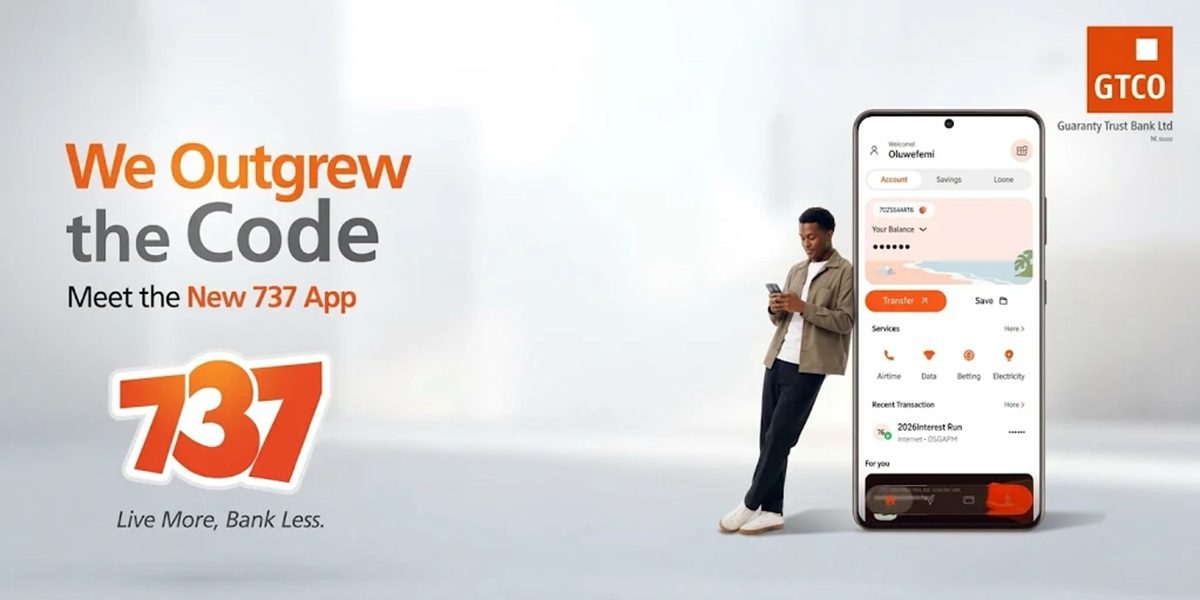
The 737 App is targeted at young Nigerians. It combines transfers, savings, virtual cards, loans, and everyday payments in one place. One feature I really liked was the navigation. The app organises its main services into three sections: Account, Savings, and Loans. This makes it simple to find what you need without going through multiple menus.
It also allows users to deploy their phone numbers as account numbers, so you do not have to remember or share a long bank account number when someone wants to send you money. The Scan to Pay feature lets you scan account details instead of typing them out. Additionally, the 737 App provides a free virtual Naira Mastercard for online payments, which can be used for subscriptions and purchases on sites like Netflix, Spotify, Amazon, and AliExpress.
Read the backstory here: GTBank launches 737 app to rival Opay, Kuda, MoMo others with phone-number accounts, free virtual cards and instant loans
These features are especially handy for those who frequently make online payments or want to handle their everyday banking in one place.
The onboarding is smooth, but the account upgrade demands more work
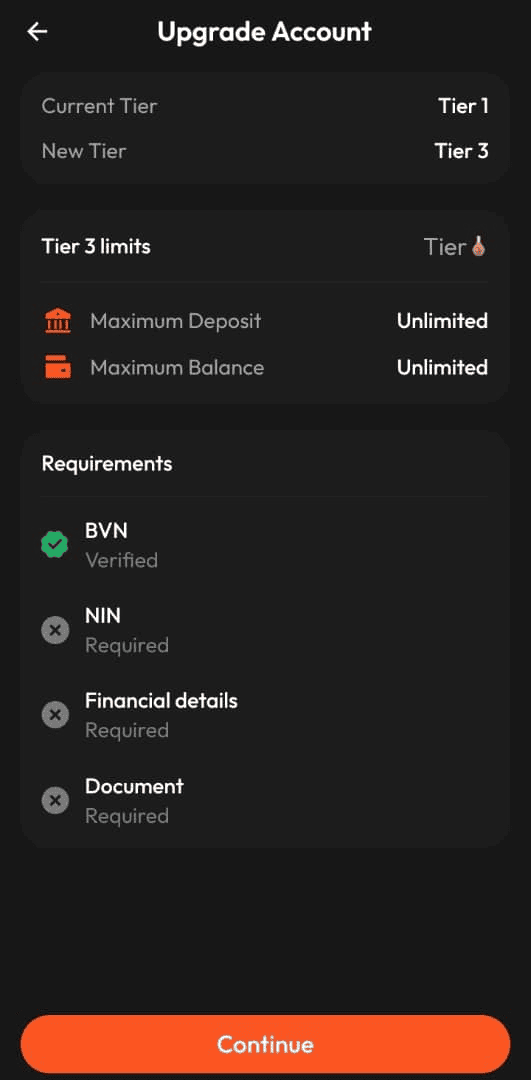
I had a good experience with the onboarding process. It was quick and simple, without the usual back-and-forth that can make opening a bank account annoying. However, there is a difference between just opening an account and getting higher account limits. I started with a Tier 1 account and tried to upgrade to Tier 3.
The 737 app said I needed to provide my National Identification Number (NIN), some financial details, and a supporting document. My Bank Verification Number (BVN) was already confirmed. One of the benefits of Tier 3 is that I could have unlimited deposits and an account balance once I met the requirements. I submitted the necessary documents, and I’m now waiting for approval within the three days stipulated.
That is the part of the experience I still need to evaluate. While opening the account was fast, how well the bank handles verification and upgrades will definitely be important to customers.

Is 15% interest enough to compete with PiggyVest, Ladda and Cowrywise?
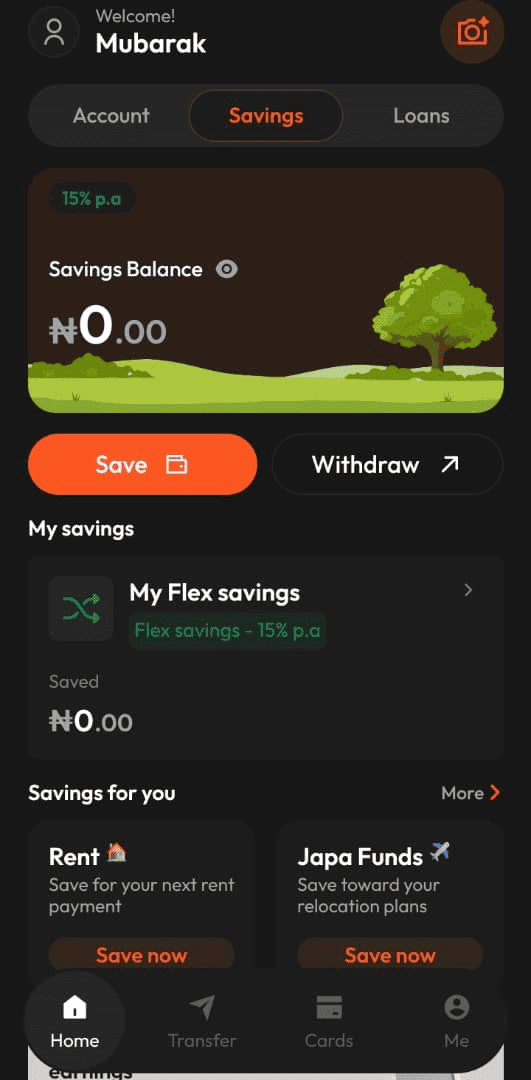
The savings feature on the 737 App presents some challenges. My savings dashboard showed an interest rate of 15% per year for its Flex Savings option, which is a decent starting point for those who want to keep their banking and savings with the same bank. For example, if you save ₦100,000 at this rate, you would earn about ₦1,250 in one month, bringing your total to ₦101,250, assuming the rate stays the same and before any fees.
The 737 app also lets you set savings goals like Rent and Japa Funds, helping you manage your money for specific purposes.
However, 15% is not particularly competitive compared to other savings platforms. For instance, PiggyVest offers 16% for its Piggybank, 14% for Target Savings, 12% for Flex Naira, and up to 18.5% for SafeLock, which is for money you are okay with locking away. Flex Naira offers more flexibility but with lower interest. PiggyVest also notes that their rates can change with market conditions.
Ladda promotes interest rates of up to 20% on naira savings. They have various options, like Emergency Savings, which lets you withdraw anytime without fees, Regular Savings for locked funds, and Presto, which gives interest upfront for locked money. Keep in mind that the 20% is a maximum rate and not guaranteed for every customer or plan.
Cowrywise takes a different approach. Instead of offering a fixed rate for all plans, it bases returns on investments like Treasury bills and government bonds. Customers see the available rate when setting up a plan, and Cowrywise promises that this rate stays fixed until the plan matures, with returns calculated daily.
Finally, there is OPay, which is known for everyday payments and savings. Their OWealth product provides daily interest while allowing access to your funds. OPay also features Fixed Savings, Target Savings, and SafeBox. They do not display a current interest rate for OWealth on their website, so users need to check what is available in the app.
Overall, it is clear that GTBank is stepping into a market where many customers already have several options, some offering better rates or more specialised savings plans.
Having a great user experience does not automatically make 737 a better place to save
The 737 App has a lot of good features. I enjoy how easy it is to use, how quickly I could set up an account, and the way it combines transfers, virtual cards, savings, and loans.
However, I would not move my savings into it just yet. There is a big difference between using an app to receive money and using it to save money for a long time. I’m comfortable using 737 for everyday banking and receiving transfers, but I prefer to keep my savings with platforms I’m already familiar with.
This does not mean there’s anything wrong with the 737 app. The app has only recently launched, and it will take time to see how well it performs as more customers start to use it. We need to find out how reliable the transfers are during peak periods, how quickly they process withdrawals, how they credit savings interest, and how responsive customer support is when issues arise.
For now, the 737 App shows great potential in Nigeria’s digital banking scene, but it will take more than a nice design and a 15% interest rate to compete with platforms that have built trust with savers over many years.
GTBank has made a solid first step. The real challenge will be earning lasting trust from customers.
Also read: Raenest strengthens UK expansion with acquisition of payments firm Remitise
