New token launches often arrive wrapped in urgency. A polished logo, a busy chat, and promises of early access can make an unfinished project look credible. Yet crypto rug pulls rarely begin
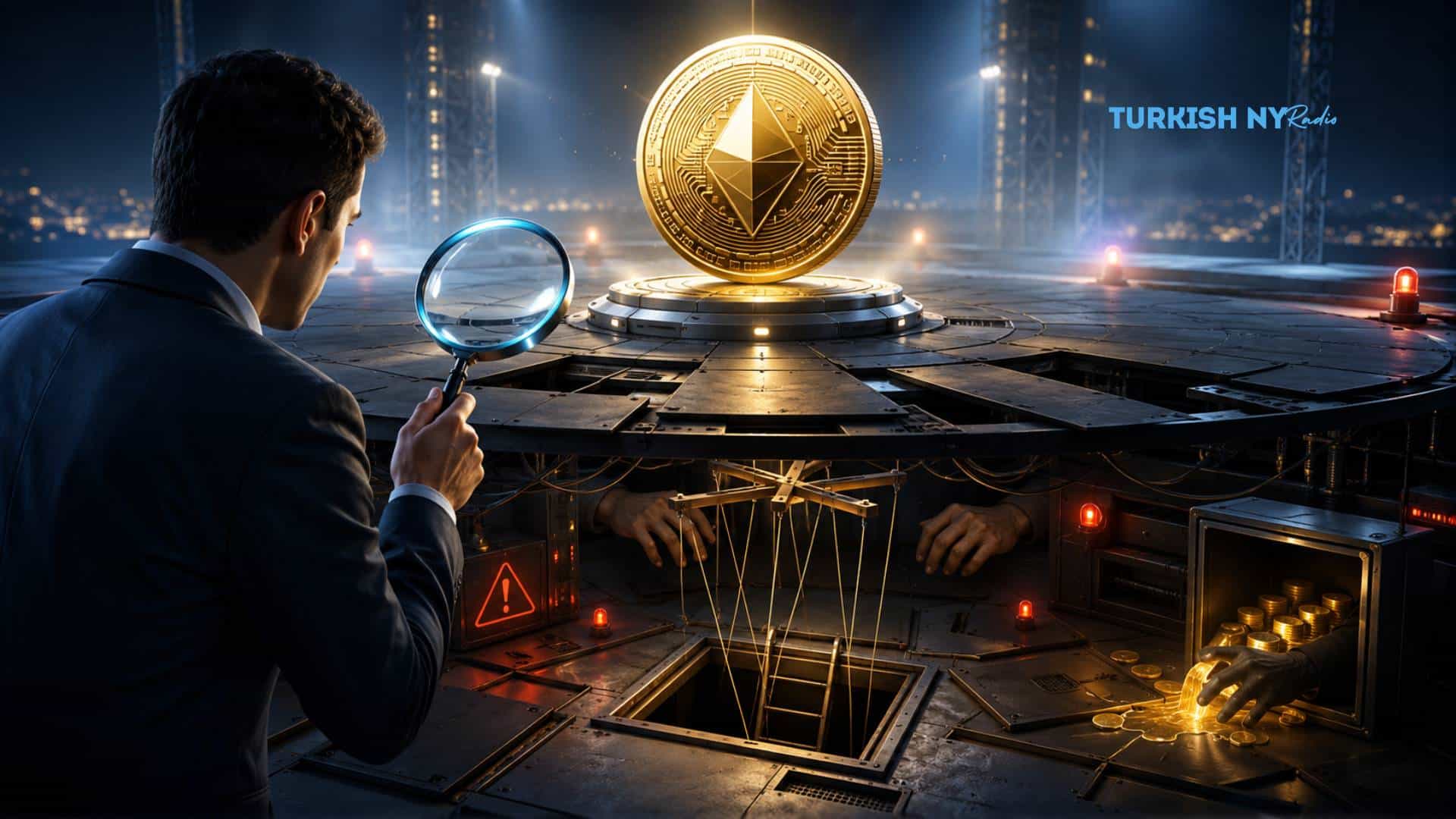
New token launches often arrive wrapped in urgency. A polished logo, a busy chat, and promises of early access can make an unfinished project look credible. Yet crypto rug pulls rarely begin with one obvious warning. They usually start with small inconsistencies that buyers excuse because the upside sounds exciting. A safer approach is to study whether insiders can remove liquidity, mint more tokens, block sales, change fees, or disappear after collecting funds.
Why Crypto Rug Pulls Remain a Serious Risk
Cryptocurrency investment fraud caused $7.2 billion in reported US losses during 2025, making it the largest source of financial loss recorded in that category. Not every case involved a token launch, but the figure shows how efficiently fraudsters use digital assets, private messages, fake platforms, and social pressure to move money.
These schemes are common around new decentralized finance projects because contracts can be deployed quickly and anonymous teams can build an audience before delivering a working product. Developers may drain liquidity, sell insider allocations, exploit hidden permissions, or abandon the project after fundraising.
Check the Team Before the Branding
A serious review begins with founders and developers. Public identities do not guarantee honesty, but they create accountability. Investors should look for verifiable work history, previous products, technical contributions, interviews, and consistent professional records. A profile created shortly before launch, supported by copied biographies or stock photographs, deserves scrutiny.
Anonymous teams are common in crypto, so anonymity alone does not prove fraud. Concern grows when it appears beside vague experience, no public code, no established advisers, and aggressive fundraising.
Read Tokenomics as a Control Map
Tokenomics shows who controls supply and when insiders can sell. Investors should examine total supply, circulating supply, private-sale price, team allocation, treasury allocation, vesting terms, and unlock dates.
Crypto rug pulls become easier when insiders hold a large share of tokens without meaningful lock-ups. A token may advertise a low market capitalization while ignoring its fully diluted value. If only 5% of supply circulates at launch, the remaining 95% can later enter the market and pressure the price.
Verify Liquidity Locks Independently
Liquidity allows buyers and sellers to trade. If developers control the liquidity provider tokens, they may remove the assets supporting the market. This is the basic mechanism behind many crypto rug pulls.
A project may claim that liquidity is locked, but investors should verify the amount, owner, duration, and unlock date through the contract. A short lock offers little protection. The same applies when only a small portion is locked while the team controls the rest.
Inspect Contract Permissions Before Buying
The contract is where promotional claims meet technical reality. Investors should check whether the owner can mint unlimited tokens, blacklist wallets, pause trading, change fees, limit transfers, or exempt selected addresses.
These controls may have valid uses, but they create centralized power. The key question is whether permissions are limited, disclosed, protected by multigeniture approval, and subject to a time delay. If one wallet can rewrite the rules instantly, the project depends on trust rather than code.
Honeypot contracts allow purchases but stop ordinary holders from selling while approved wallets remain free to exit. A successful test purchase does not prove safety. Investors need to test a sale and inspect transfer restrictions.
Audits Help but Do Not Remove Risk
A security audit can identify coding errors and dangerous permissions, yet it is not insurance. Investors should confirm that the reviewed code matches the deployed contract, major findings were fixed, and the audit covers the full system.
Weak projects may publish an old report, audit a test contract, or ignore unresolved findings. Fraud can still occur when developers misuse legitimate controls or sell tokens assigned to them. Public code, independent reviews, transparent fixes, and clear treasury controls provide stronger evidence than an audit badge alone.
Marketing Hype Can Expose the Weakness
Scam launches sell emotion before utility. Their campaigns focus on countdowns, guaranteed returns, secret announcements, exchange rumors, influencer endorsements, and fear of missing out. Regulators warn that social-media tips, sudden price spikes, and promises of oversized returns are not sound reasons to buy a token.
Crypto rug pulls thrive when paid promotion replaces independent research. An influencer may simply repeat material supplied by the team, so popularity should never be treated as verification.
Study How the Community Handles Questions
Scam communities often delete criticism, flood chats with price predictions, and use automated accounts to create excitement. Crypto rug pulls also use urgency to shorten due diligence. Buyers may hear that a presale is nearly full or access will disappear within minutes. Legitimate opportunities can survive careful examination.
Investors should pay attention to how moderators answer questions about vesting, liquidity, audits, treasury wallets, and contract ownership. Clear answers supported by verifiable records carry more weight than slogans, reaction emojis, or promises that skeptical buyers will regret missing the launch.
A Practical Pre-Launch Decision Test
Before sending funds, an investor should confirm the team, contract address, token allocation, vesting schedule, liquidity plan, administrative permissions, audit scope, treasury controls, and legal disclosures. Each claim should be verified independently.
Unlocked team tokens, unverifiable founders, unlimited minting, one-wallet upgrade control, blocked selling, or fabricated partnerships are strong reasons to walk away.
Avoiding crypto rug pulls is less about finding one perfect warning and more about recognizing clusters. One concern may have an explanation. Several concerns, combined with secrecy and pressure, usually signal unacceptable risk.
Investors should also consider whether the project has a realistic reason to issue a token. Some launches attach a token to a product that could work perfectly well without one. When the token has no clear utility beyond fundraising and price speculation, its long-term demand may depend entirely on attracting new buyers.
Conclusion
New token launches reward curiosity but punish blind trust. Crypto rug pulls often look strongest just before they fail because promotion hides weak governance, concentrated ownership, and dangerous permissions. Investors who verify the team, token supply, liquidity, code, audits, and community behavior gain a clearer view of what they are buying.
Avoiding crypto rug pulls requires patience. Missing a launch may feel frustrating. Recovering money after an anonymous team disappears is far harder.
Frequently Asked Questions
What is a rug pull?
It is an exit scam in which developers remove liquidity, sell insider holdings, misuse contract controls, or abandon a project after attracting funds.
Does locked liquidity make a token safe?
No. Insiders may still control supply, mint tokens, change fees, upgrade contracts, or sell large allocations.
Can an audited project still be fraudulent?
Yes. An audit may cover different code, miss issues, or leave powerful administrative controls in place.
Why does token concentration matter?
A small group of wallets can sell large holdings quickly, overwhelm market demand, and cause sharp price declines.
Glossary of Key Terms
Liquidity pool: Assets deposited into a contract so traders can buy and sell.
Vesting: A schedule that gradually releases tokens to founders, employees, or early investors.
Honeypot: A contract that allows buying but blocks most holders from selling.
Minting: Creating additional tokens through a contract function.
Multisignature wallet: A wallet requiring more than one approval before transactions can be completed.
Fully diluted valuation: The estimated project value if every planned token were already circulating.
Disclaimer: This article is for educational purposes only and does not provide financial, legal, or investment advice.
Sources
medzu
pluang