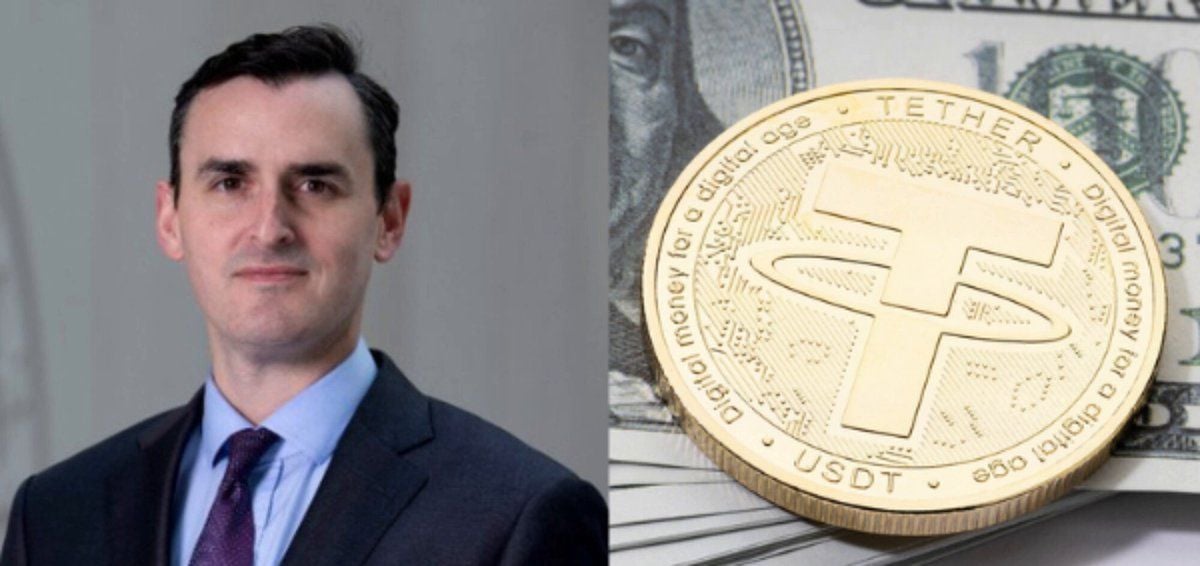
IMF First Deputy Managing Director Dan Katz (@DanKatzIMF) used a speech in Cape Town on August 7 to flag a counterintuitive danger for emerging-market policymakers: the very tools some govern
IMF First Deputy Managing Director Dan Katz (@DanKatzIMF) used a speech in Cape Town on August 7 to flag a counterintuitive danger for emerging-market policymakers: the very tools some governments are reaching for to defend against dollar-pegged tokens may end up accelerating dollarization rather than slowing it.
The Backfire Risk
Katz argued that launching local-currency stablecoins as a shield against dollar tokens could backfire. Once on-chain conversion between local and dollar-denominated tokens exists, swapping into dollars bypasses the banks and foreign-exchange dealers that capital controls were built around, making those flows far harder to monitor or restrict. The on-ramp, in other words, becomes the vulnerability.
The concern lands in a market that is already heavily skewed toward the dollar. Stablecoin market capitalization has increased to about $309.7 billion, up from roughly $260 billion a year ago , and the vast majority of that is dollar-denominated. @IMFNews research cited by Katz found that sending $200 via stablecoin costs anywhere from negative 2% to 8% depending on the corridor, with dollar tokens trading at a premium in some markets.
That pricing dynamic matters. People are using stablecoins to hedge against local inflation and currency depreciation and to bypass government restrictions on access to foreign currency. Where dollar tokens trade at a premium, the incentive to convert out of local digital currencies intensifies, potentially defeating the purpose of issuing them in the first place.
A Broader Pattern
Katz's warning aligns with a growing body of institutional research. Researchers at the Bank for International Settlements found that dollar-backed stablecoins are creating a new form of digital dollarization that appears largely unaffected by capital controls, particularly in emerging markets, with governments appearing to have less ability to curb stablecoin adoption than traditional foreign-currency bank deposits.
As stablecoins are typically denominated in U.S. dollars, widespread use can resemble a digital form of dollarization. By reducing demand for the local currency, it could weaken the transmission of domestic monetary policy. The IMF's own analysis of Nigeria illustrates the scale of the shift: Nigeria received about $59 billion in crypto-asset inflows between July 2023 and June 2024, ranked second globally on Chainalysis's 2024 Global Crypto Adoption Index, and accounts for roughly 60 percent of stablecoin inflows within sub-Saharan Africa since 2019.
Katz's proposed remedies are straightforward in principle if difficult in practice: close data gaps, extend capital flow rules to cover on- and off-ramps, and build regulatory frameworks before adoption outpaces oversight. The deputy head stressed that data collection should start now, as artificial intelligence may accelerate adoption further.
Sources:IMF: Stablecoins in Nigeria: A Growing Cross-Border ChannelCoinTelegraph: BIS Study Says Stablecoins May Bypass Capital ControlsCentral Banking: IMF's Katz Urges Central Banks Not to Wait for Perfect Stablecoin Regs