BitcoinWorld India Intensifies Scrutiny of Large Crypto OTC Trades in Money Laundering Crackdown India’s financial watchdog is tightening its oversight of large cryptocurrency transactions co
BitcoinWorld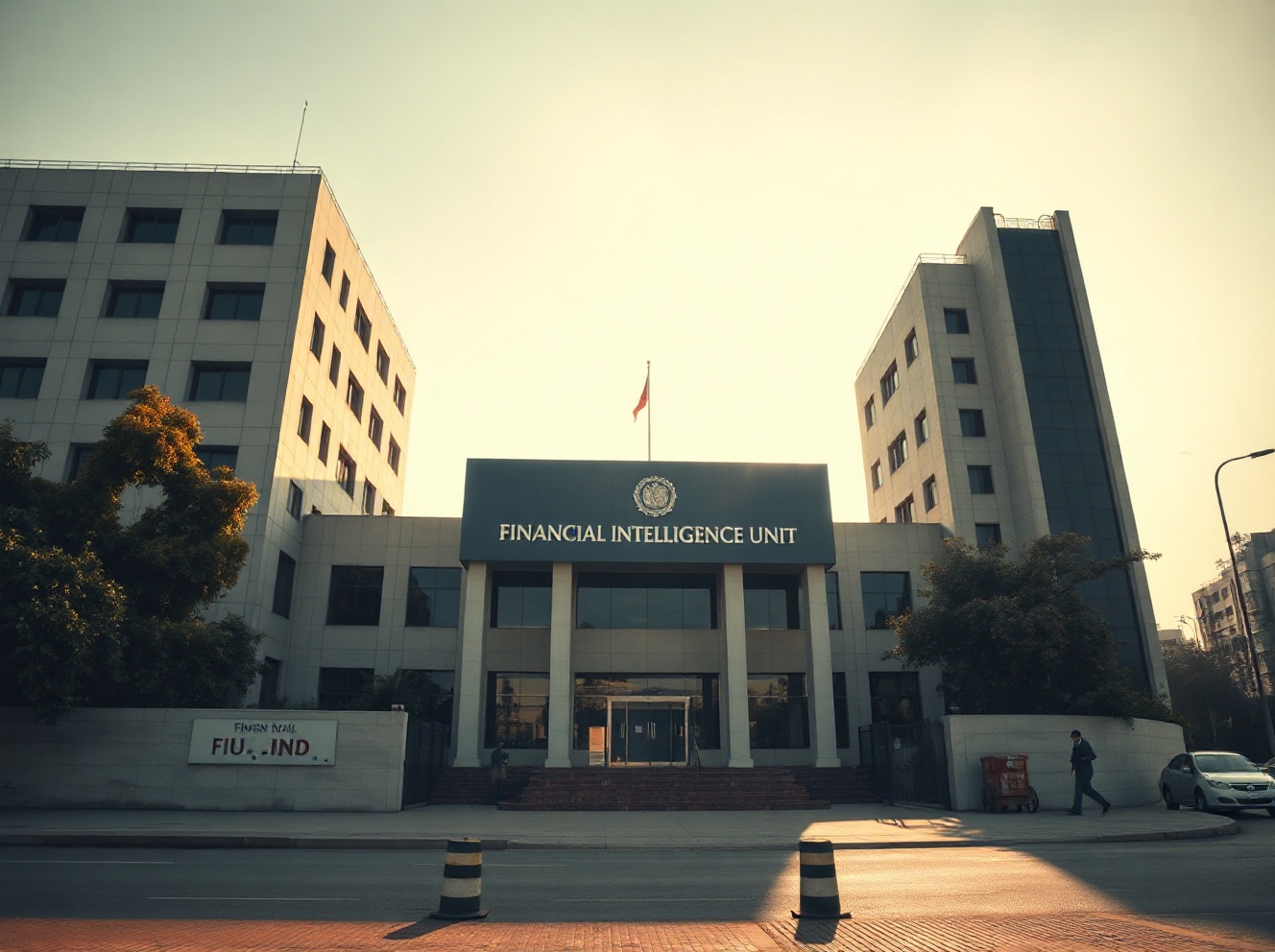 India Intensifies Scrutiny of Large Crypto OTC Trades in Money Laundering Crackdown
India’s financial watchdog is tightening its oversight of large cryptocurrency transactions conducted through over-the-counter (OTC) desks, targeting opaque structures that could facilitate money laundering. The Financial Intelligence Unit (FIU-IND) is actively investigating such trades, particularly those involving unlisted corporations, according to a report from local media outlet the Economic Times.
Why OTC Trading Raises Red Flags
Unlike standard exchange transactions, OTC desks often buy coins using their own funds before finding a counterparty. This intermediary step, combined with the tendency of large clients to move purchased assets to private, external wallets, makes it exceptionally difficult for authorities to trace the ultimate beneficial owners (UBOs). Once coins are transferred to a private wallet, they can be moved globally with limited visibility, complicating enforcement efforts.
A government official confirmed that cryptocurrency exchanges have been required to preserve records of OTC trades since January. The FIU now has the authority to request this data if Suspicious Transaction Reports (STRs) filed by exchanges are deemed insufficient, or if law enforcement agencies require additional information during an investigation. This marks a significant step in India’s broader effort to bring its crypto economy under the ambit of anti-money laundering (AML) laws.
Implications for the Crypto Industry
For exchanges operating in India, this development signals a new era of compliance. The burden of verifying the management and UBOs of private entities involved in large trades is now more critical than ever. For investors and businesses, the heightened scrutiny may lead to delays in large transactions and increased documentation requirements, but it also aims to legitimize the market by weeding out illicit flows.
Conclusion
India’s FIU is moving decisively to close loopholes in the crypto ecosystem. By focusing on the hard-to-trace nature of OTC trades and demanding stricter record-keeping, the regulator is reinforcing its commitment to preventing the misuse of digital assets for money laundering. The move aligns with global trends toward greater transparency in cryptocurrency markets.
FAQs
Q1: What is an OTC trade in cryptocurrency?A: An over-the-counter (OTC) trade is a private transaction between two parties, often facilitated by an exchange or a broker, that occurs outside of a public order book. It is commonly used for large-volume trades to avoid impacting market prices.
Q2: Why is the FIU-IND concerned about OTC trades?A: The FIU is concerned because the structure of OTC trades—where platforms use their own funds and clients often move coins to private wallets—makes it difficult to trace the ultimate beneficial owners, creating a potential channel for money laundering.
Q3: What are the new requirements for crypto exchanges in India?A: Since January, exchanges have been required to preserve records of all OTC trades. They must also file Suspicious Transaction Reports (STRs) with the FIU, which can request additional records if the reports are insufficient for an investigation.
This post India Intensifies Scrutiny of Large Crypto OTC Trades in Money Laundering Crackdown first appeared on BitcoinWorld.