Can India's Demat 2.0 Make Bond Investing Easier and Cheaper Demat 2.0 is a pilot that SEBI and the RBI launched on September 10, 2026, at Global Fintech Fest in Mumbai. It tests how corporat
Can India's Demat 2.0 Make Bond Investing Easier and Cheaper
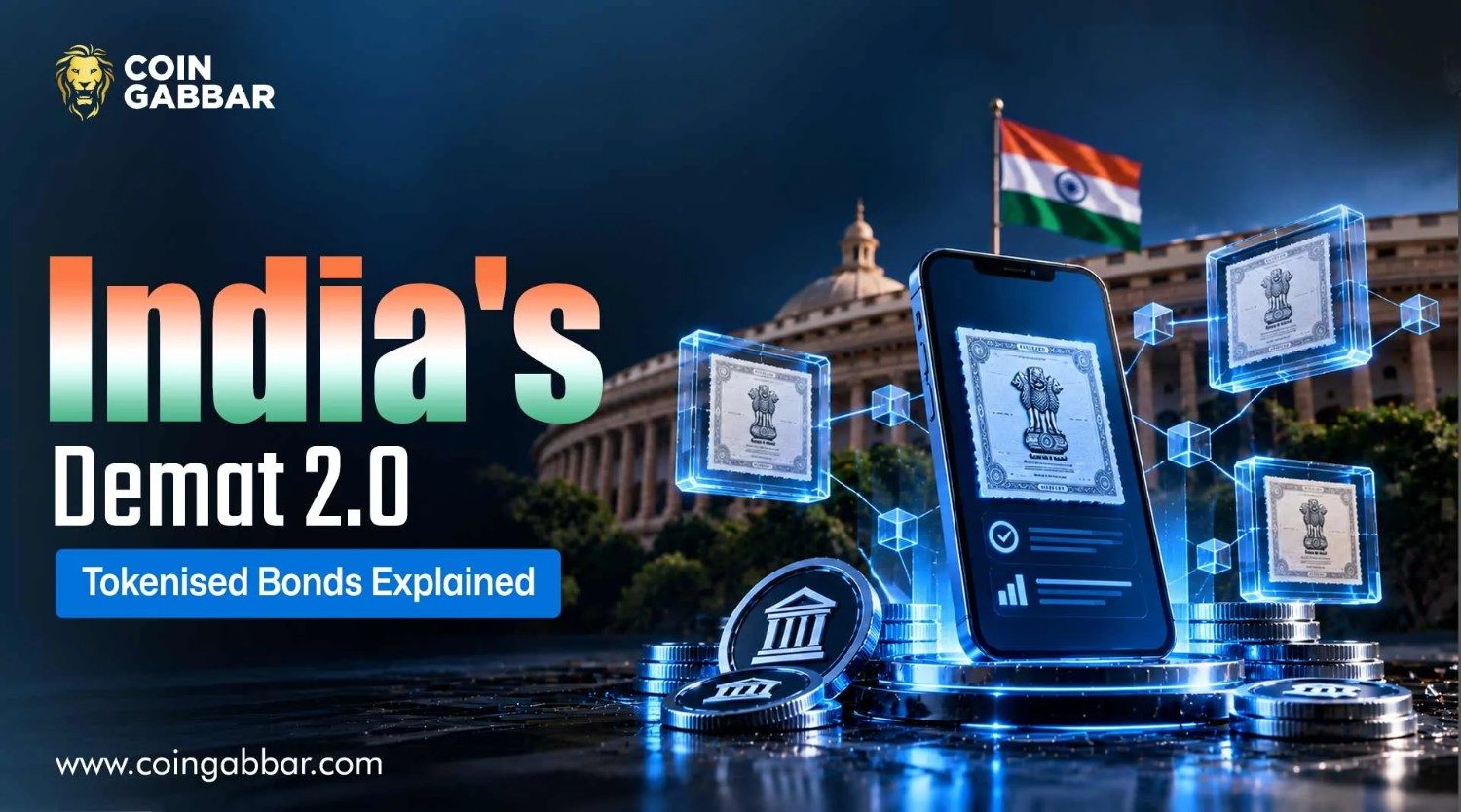
Demat 2.0 is a pilot that SEBI and the RBI launched on September 10, 2026, at Global Fintech Fest in Mumbai. It tests how corporate bonds can be issued, held, and settled as digital tokens on a shared ledger.
The first demat system arrived in 1996 and replaced paper certificates with electronic records. This new step adds blockchain-style tools and digital rupee payments on top. The goal is a bond market that's faster, safer, and simpler to use.
Let's discuss India’s Demat 2.0 version:
What is India's Demat 2.0?
India's Demat 2.0 is a test project started by SEBI (the markets regulator) and the RBI on September 10, 2026, at Global Fintech Fest in Mumbai. It checks if company bonds can be issued, held, traded, and paid for as digital tokens on a shared ledger, which works much like a blockchain.
Today, each depository keeps its own separate records instead.
How is it different from the first demat system?
The first demat system, from 1996, replaced paper certificates with electronic records.
Demat 2.0 goes one step further. Bonds become digital tokens, and payment is made in the RBI's digital rupee. The bond and the money change hands at the same moment, so nobody is left waiting or at risk of not getting paid.
The main points
Same bond, new system: The interest rate, maturity date, and investor rights don't change. Only the way the bond is recorded and settled is new.
Same demat account: Tokenised bonds stay in the investor's current demat account. No new account or fresh KYC is needed.
Who's involved: NSDL and CDSL lead it, along with BSE, NSE, NPCI, and banks like HDFC Bank and ICICI Bank.
First issuers: REC Limited, L&T Limited, and IIFL have raised ₹1,025 crore in total.
Phases: The first phase is about issuing bonds, and only institutions can join. Later phases may add trading and, in time, access for retail investors.
Not a crypto coin: These are regular, regulated company bonds, and the depository is still the official record of who owns what.
Key Benefits of India's Demat 2.0: Cost, Speed and Access
Cost: Less paperwork and fewer manual checks can bring down the cost of issuing bonds and paying interest.
Speed: The bond and the payment move at the same moment, so the usual waiting time after a trade shrinks.
Access: Tokenised bonds stay in the investor's existing demat account. No new account or fresh KYC is needed, and retail access is planned for later phases.
How Tokenised Bonds Could Change Investing
Tokenised bonds could make debt investing feel as smooth as using a modern app. Records update right away, smart contracts can pay interest on time, and ownership is easy to check. Smaller ticket sizes could also bring in new investors.
Who Can Issue and Buy Bonds Under India's Demat 2.0 Pilot
Three issuers have joined so far. REC Limited issued ₹500 crore at a 7.3% coupon on September 7. L&T Limited raised ₹500 crore from four investors on September 9, and IIFL raised ₹25 crore from one investor.
In total, the pilot has raised ₹1,025 crore. For now, only institutions can take part. Buyers need a wholesale digital rupee wallet from a bank, along with a demat account.
Steps to Invest in Tokenised Corporate Bonds
Step 1: Confirm eligibility: Only institutions can join at present. Individuals should follow SEBI updates.
Step 2: Keep a demat account ready: Tokenised bonds sit in the same demat account, so no separate account is needed.
Step 3: Set up a digital rupee wallet: A pilot bank, such as HDFC Bank or ICICI Bank, provides the wholesale wallet used to pay.
Step 4: Read the offer document: Check the issuer, rating, coupon, maturity, and lock-in period.
Step 5: Place the order: The investor subscribes to the issue, and the bond and the payment settle together.
Step 6: Track the holding: Smart contracts handle coupon payments, while the depository record remains the official proof of ownership.
India's Demat 2.0: Why Crypto Followers Are Watching This Pilot
Crypto followers spot tools they know well: shared ledgers, tokens, smart contracts, and digital money. Still, the bond is not a crypto coin.
It's a regulated corporate bond, and under the law the depository stays the official record keeper.
The pilot proves that blockchain tools can work inside strict market rules. Some money-market products already trade in tokenised form and settle in digital rupees, and an RBI official has hinted that gold could be next.
How India's Demat 2.0 Turns a Bond Into a Digital Token
The bond is born digital. It's issued as a token on a shared ledger run by NSDL and CDSL, and the token itself is the bond. It isn't a copy of a paper or demat record.
The interest rate, maturity date, and investor rights stay the same as any regular bond, and the depository remains the official record of who owns it under the law.
Smart contracts on the ledger can also pay coupons on schedule. To buy, an investor uses a wholesale digital rupee wallet from a bank. The buyer's payment and the token move at the same moment.
This is called delivery versus payment, and it removes the risk that one side pays while the other never delivers.
Why India's Demat 2.0 Is Drawing Serious Investor Interest
The names behind the pilot add weight. SEBI, the RBI, NSDL, CDSL, BSE, NSE, NPCI, HDFC Bank, and ICICI Bank are all involved.
Real money has moved too, with ₹1,025 crore raised within days across REC, L&T, and IIFL. REC's bond carried a 7.3% coupon. Investors also like that the bonds sit in the same demat account, with no fresh KYC.
Similar projects are running abroad, such as Hong Kong's ProjectEvergreen and Switzerland's Project Helvetia III, and big names like BlackRock and JP Morgan have been part of tokenised bond deals.
That global trend makes India's pilot feel less like an experiment and more like a step the world is taking together.
How Blockchain Is Changing Bond Markets Through Demat 2.0
Today, many parties keep their own records of the same bond, and those records can clash. A shared ledger gives all of them one clear version. That means fewer mismatches, less manual work, and quicker servicing, such as interest payments.
The pilot runs in phases. Issuance comes first, then trading on existing request-for-quote platforms, and later retail access. Peer-to-peer transfers may help with liquidity in between.
Part of the debt market already works this way, as some commercial papers and certificates of deposit trade in tokenised form and settle in digital rupees. NSDL's chief has said wider trading depends on approvals and market readiness.
Can India's Demat 2.0 Make Bond Investing Easier and Cheaper?
It can, but not for everyone yet. Faster settlement and less paperwork should cut costs over time, and using the same demat account keeps things familiar. Smart contracts can also reduce manual work in paying interest.
Still, secondary trading isn't live, and retail access is still ahead. At this stage, only institutions can join, so everyday investors can't use it yet. The real test is whether more issuers and investors join and whether bonds can be bought and sold easily.
What the Future Holds for India's Demat 2.0 and Blockchain
If the pilot proves safe and scalable, it could grow to include daily bond trading, retail investors, and other assets.
An RBI official has hinted that gold could be the next asset to be tokenised. SEBI plans to widen the pilot only after testing security, scale, and how well different systems work together.
Experts also point to the need for common token standards and active market makers, so buyers and sellers always find a price. If these pieces fall into place, tokenised securities could become a normal part of Indian markets.
Hidden Risks Investors Must Know Before Joining Demat 2.0
Credit risk stays, because blockchain can't force an issuer to repay. A tokenised bond is only as strong as the company behind it.
Liquidity is thin since trading isn't live yet, so selling early may be hard. Tech risk covers bugs, outages, and cyber attacks. Access is limited to institutions, and rules may change as the pilot moves ahead. Investors should also check lock-in terms and read each offer document closely.
Conclusion
Demat 2.0 keeps what already works in India's bond market and adds faster digital settlement.
The pilot is small and still institutional, but it points to a clear path for digital securities. Investors should follow official updates, read each offer closely, and judge the issuer first.
Disclaimer
This article is for information purposes only. It isn't financial, legal, tax, or investment advice. Bonds carry credit and market risk, and investors can lose money. Details of the pilot may change, so official SEBI and RBI updates should be checked first. Readers should do their own research or speak with a licensed advisor.