
DeFi8 min read
PancakeSwap (CAKE) Nedir?
Merkeziyetsiz finans (DeFi) ekosisteminin gelişmesiyle birlikte kullanıcıların kripto varlıklarını merkezi borsalara ihtiyaç duymadan takas edebileceği platformların önemi de arttı. PancakeSw
Parliament Calls for Interim SRO Framework India's Parliamentary Standing Committee on Finance has taken its most concrete step yet toward regulating the country's rapidly growing crypto sect
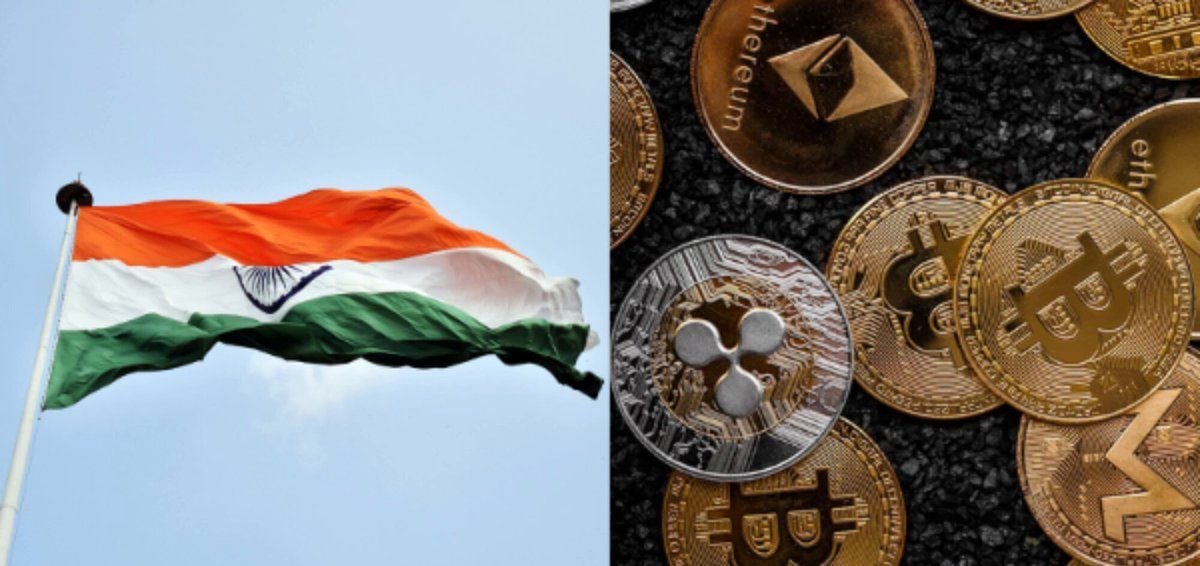
India's Parliamentary Standing Committee on Finance has taken its most concrete step yet toward regulating the country's rapidly growing crypto sector. In a landmark 36th Report on the Securities Markets Code, 2025, tabled in Parliament on July 23, the panel recommended an interim regulatory framework for cryptocurrencies and Virtual Digital Assets (VDAs) through recognised Self-Regulatory Organisations (SROs), operating under the oversight of a designated statutory regulator such as SEBI or the Reserve Bank of India.
The committee noted that VDAs and crypto-assets are presently unregulated in India, except for the limited purpose of taxation. Rather than waiting for comprehensive legislation, the committee studied the regulatory playbooks used in the United Kingdom, Singapore, the United States, and the European Union, and concluded that India should move in stages, starting with SRO-led oversight.
The recommended framework would introduce an interim regulatory mechanism through recognised SROs operating under the oversight of the designated regulator, prescribing minimum standards of governance, transparency, disclosure, investor protection, grievance redressal, compliance with prescribed codes of conduct, and appropriate regulatory oversight.
The committee also said India should introduce clear legal definitions for different types of Virtual Digital Assets, noting that some may qualify as securities, others as derivatives, while some may require a separate regulatory category.
In its earlier sittings, the panel met major crypto exchanges including Binance, WazirX, ZebPay, @CoinDCX, @CoinSwitch, and Coinbase, along with the International Financial Services Centres Authority (IFSCA) and several government ministries. Exchanges including @CoinDCX and @CoinSwitch have praised the recommendation as a pragmatic step forward, though legal observers caution that SROs carry inherent limitations: they cannot levy penalties or conduct formal investigations, making the arrangement a transitional measure rather than a permanent fix.
The backdrop matters. India's Parliamentary Standing Committee on Finance put on record for the first time that the country cannot keep governing its rapidly expanding crypto industry through tax circulars and anti-money laundering notices alone. India currently imposes a 30% tax on crypto gains and a 1% tax deducted at source on transactions, a regime that industry participants argue has pushed trading volume offshore.
For a market of this scale, the committee's report is a meaningful shift. The latest recommendations conclude several months of parliamentary consultations with regulators, government agencies, and crypto industry participants. Whether the government moves swiftly to implement an SRO structure, or allows the recommendation to sit idle while full legislation is drafted, will determine how quickly India's crypto sector gets the regulatory clarity it has sought for years.
Sources:The Crypto Times: India Parliament Panel Urges Phased Crypto Regulation Under SEBI or RBICoinpedia: Crypto India Moves Closer to Regulation as Finance Panel Backs Industry SROsNextIAS: Need a Regulatory Framework for Virtual Digital Assets