BitcoinWorld Indonesian Rupiah Weakens as Global Risk Aversion Intensifies The Indonesian rupiah extended its decline against the US dollar on Wednesday, pressured by a broad shift toward ris
BitcoinWorld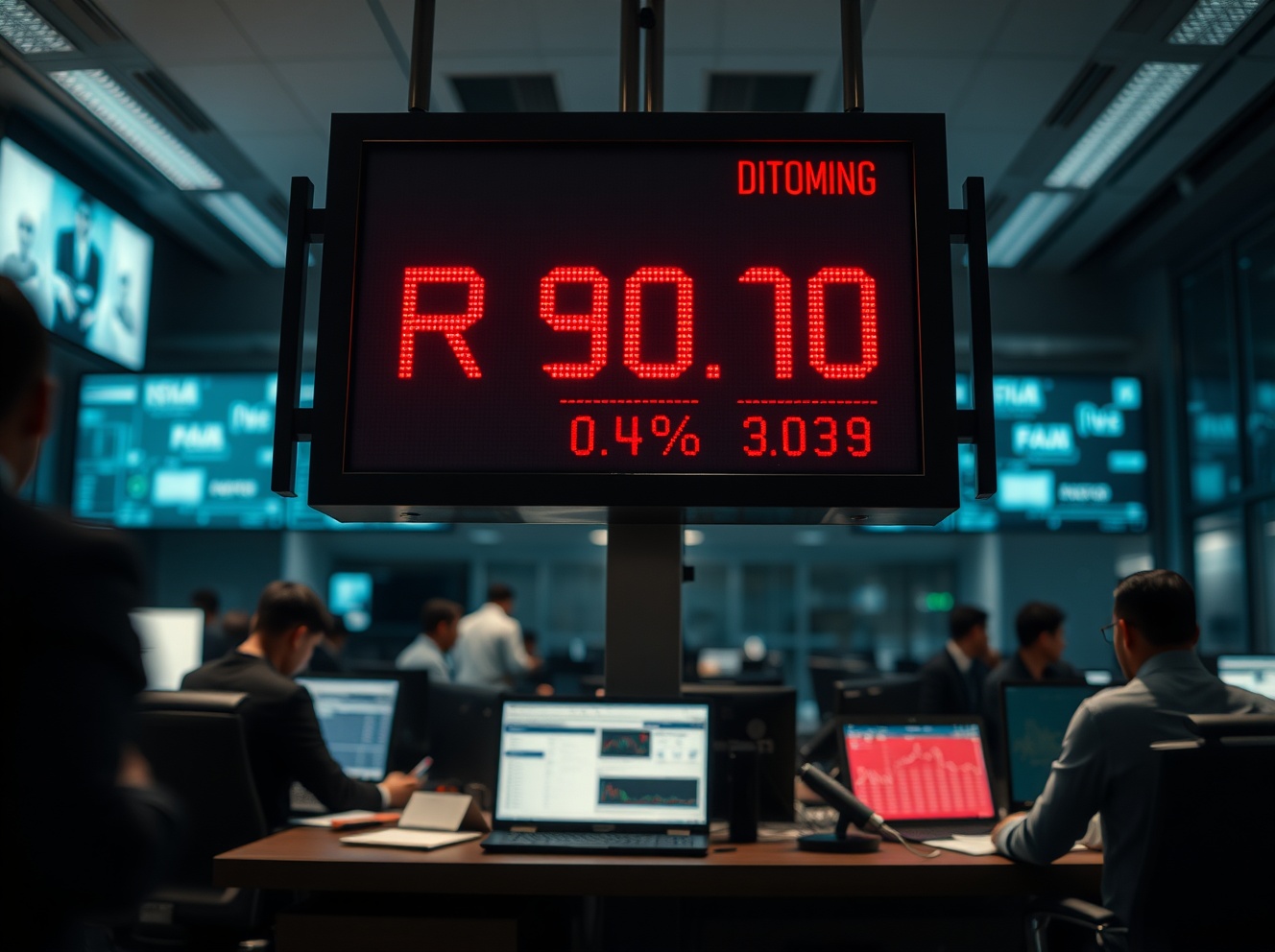 Indonesian Rupiah Weakens as Global Risk Aversion Intensifies
The Indonesian rupiah extended its decline against the US dollar on Wednesday, pressured by a broad shift toward risk aversion in global markets. The currency fell to its lowest level in several weeks as investors retreated from emerging-market assets amid renewed uncertainty over US trade policy and rising geopolitical tensions.
Market Drivers Behind the Rupiah’s Decline
The rupiah’s weakness reflects a broader sell-off in Asian currencies, triggered by escalating trade disputes and concerns over the pace of US interest rate adjustments. The US dollar strengthened as safe-haven demand rose, putting additional pressure on the rupiah and other emerging-market currencies. Analysts point to the potential for further volatility as the market awaits clearer signals from the Federal Reserve and the Indonesian central bank.
Bank Indonesia’s Response
Bank Indonesia (BI) has signaled its readiness to intervene in the foreign exchange market to stabilize the rupiah. BI Governor Perry Warjiyo stated that the central bank is monitoring the situation closely and will use its instruments to prevent excessive volatility. The central bank has a track record of stepping in during periods of sharp depreciation, often through spot market operations and the issuance of higher-yielding securities.
Implications for the Indonesian Economy
A weaker rupiah raises the cost of imported goods, particularly energy and raw materials, which could fuel inflationary pressures. This is a key concern for Indonesian households and businesses that rely on imported inputs. On the positive side, a softer currency can boost export competitiveness for Indonesian products such as palm oil, coal, and textiles. However, the net effect on the economy depends on the duration and magnitude of the depreciation.
Conclusion
The Indonesian rupiah’s decline is a direct consequence of heightened global risk aversion, driven by trade policy uncertainty and a stronger US dollar. While Bank Indonesia is prepared to intervene, the currency’s trajectory will largely depend on external factors, including US monetary policy and global trade developments. Investors and businesses should prepare for continued volatility in the near term.
FAQs
Q1: Why is the Indonesian rupiah weakening?The rupiah is weakening due to increased global risk aversion, driven by US trade policy uncertainty and a stronger US dollar, which leads investors to pull capital from emerging markets.
Q2: What is Bank Indonesia doing to stabilize the rupiah?Bank Indonesia has signaled it will intervene in the foreign exchange market through spot operations and other instruments to prevent excessive volatility and support the currency.
Q3: How does a weaker rupiah affect the average Indonesian?A weaker rupiah makes imported goods more expensive, potentially raising inflation. It can also increase the cost of foreign debt repayments for companies, but it may benefit exporters by making their products cheaper abroad.
This post Indonesian Rupiah Weakens as Global Risk Aversion Intensifies first appeared on BitcoinWorld.