The Independent National Electoral Commission (INEC) is gearing up for the 2027 general election by enhancing the software that powers its Bimodal Voter Accreditation System (BVAS). The commi
The Independent National Electoral Commission (INEC) is gearing up for the 2027 general election by enhancing the software that powers its Bimodal Voter Accreditation System (BVAS). The commission is also introducing new artificial intelligence tools to help ensure that election results are accurate and trustworthy.
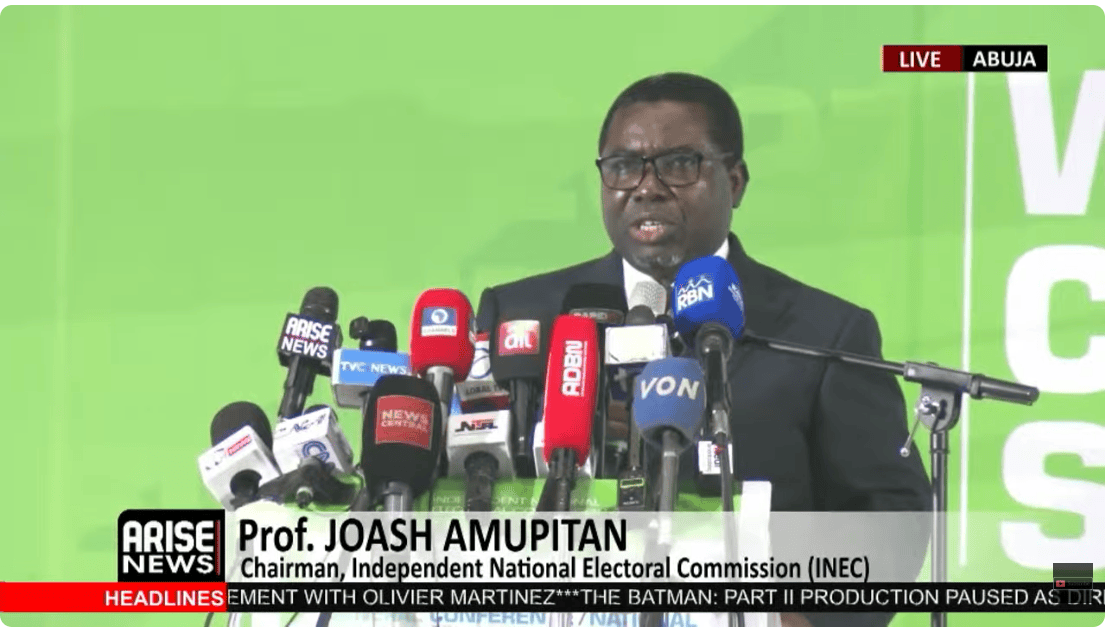
During the presentation of the 2027 General Election Readiness Report, INEC Chairman, Prof. Joash Ojo Amupitan, highlighted the steps being taken to improve the BVAS system. He explained that the commission has been working diligently on both the software and hardware aspects to make the system more reliable and to minimise the risk of human interference.
“Our focus has been on software hardening, optimising battery performance, and refining biometric calibration. These efforts are designed to prevent any form of manual manipulation,” Amupitan stated.
In addition to these upgrades, INEC has purchased 57,000 new BVAS devices to support its election preparations. The commitment to ensuring the integrity of the electoral process is evident, as Amupitan noted that the commission has completed a comprehensive inventory and functionality check of all its BVAS devices, which includes GPS tracking verification.
Furthermore, to identify and address any technical issues in advance, INEC is set to conduct a six-day stress test on all configured BVAS devices from October 23 to 28, 2026.
This proactive approach aims to uncover potential problems before election day, ensuring a smoother voting experience for all citizens. As the country looks ahead to the elections, INEC’s efforts to modernise and secure the voting process reflect its commitment to fostering a transparent and trustworthy electoral environment.
INEC says AI will be used to check election results
The electoral body is also taking significant steps to enhance its election technology. One of the key upgrades involves improving the Bimodal Voter Accreditation System (BVAS), but that’s just part of the story. INEC is also integrating artificial intelligence (AI) into its processes to make elections smoother and more secure.
To spearhead this initiative, INEC has established a dedicated Artificial Intelligence Division within its ICT department. This team is focusing on several innovative tools designed to strengthen the integrity of election results. For instance, they will introduce automated auditing tools powered by AI to streamline the verification of results. Importantly, these technologies will operate under a strict governance framework to ensure that human oversight is always in the picture.
Moreover, INEC is developing AI-driven tools that can detect anomalies within its databases. This capability is essential for monitoring ongoing activity and safeguarding public-facing online platforms from cyber threats and unauthorised changes.
However, it’s crucial to note that AI won’t be making the final decisions about election outcomes. Instead, it serves as a valuable resource to help INEC identify unusual patterns, verify data, and highlight any issues that may need closer human inspection.

According to INEC’s chairman, this strategy is anchored in a robust five-pillar AI governance framework, which emphasises the importance of human oversight at every step. In this way, the commission is not only embracing technology to enhance the electoral process but is also committing to transparency and accountability.
Raed also: INEC quietly moves 2023 election results to new servers, 3 states remain on old host
By blending advanced technology with human judgment, INEC aims to bolster the reliability and security of its elections, ensuring that the democratic process remains fair and trustworthy.
Why the BVAS upgrade matters
The Biometric Voter Accreditation System (BVAS) plays a crucial role in the electoral process by verifying voters’ identities using biometric data. It also serves as a key component in transmitting polling-unit results to the Independent National Electoral Commission’s (INEC) public result-viewing portal, known as IReV.
After the 2023 elections, BVAS became a hot topic of discussion. Many people pointed out that technical glitches and connectivity issues led to delays in uploading results from polling units to IReV. In response, INEC conducted a thorough review of the election procedures and identified several areas for improvement regarding the technology employed.
Moving towards the 2027 elections, INEC is taking proactive steps to address these challenges. While many voters might not notice significant changes at the polling stations, a considerable amount of work is taking place behind the scenes. This includes enhancing the BVAS software, conducting stress tests on the devices, and implementing automated systems designed to identify any suspicious activities during the election process.

BVAS
INEC aims to bolster the reliability of its election technology, providing stronger mechanisms for verifying results both before they are uploaded and after. To ensure everything runs smoothly, the commission has outlined a detailed plan for preparing for the upcoming elections. In November 2026, there will be state-level support training, followed by a strategic briefing in December and a local government readiness audit in January 2027.
With these improvements, INEC hopes to foster a more transparent and efficient voting process, helping to restore public confidence in the electoral system.
See also: 142 days to Nigeria’s 2027 general elections, Indonesian hackers take over INEC’s website