The Independent National Electoral Commission (INEC) has staged its nationwide mock accreditation and result upload exercise, the last major rehearsal before the January 16 presidential and N
The Independent National Electoral Commission (INEC) has staged its nationwide mock accreditation and result upload exercise, the last major rehearsal before the January 16 presidential and National Assembly elections. Early field reports point to a mixed outcome: accreditation moved quickly in Lagos, but device faults, late or absent officials, thin turnout and an allegation of vote buying surfaced elsewhere.
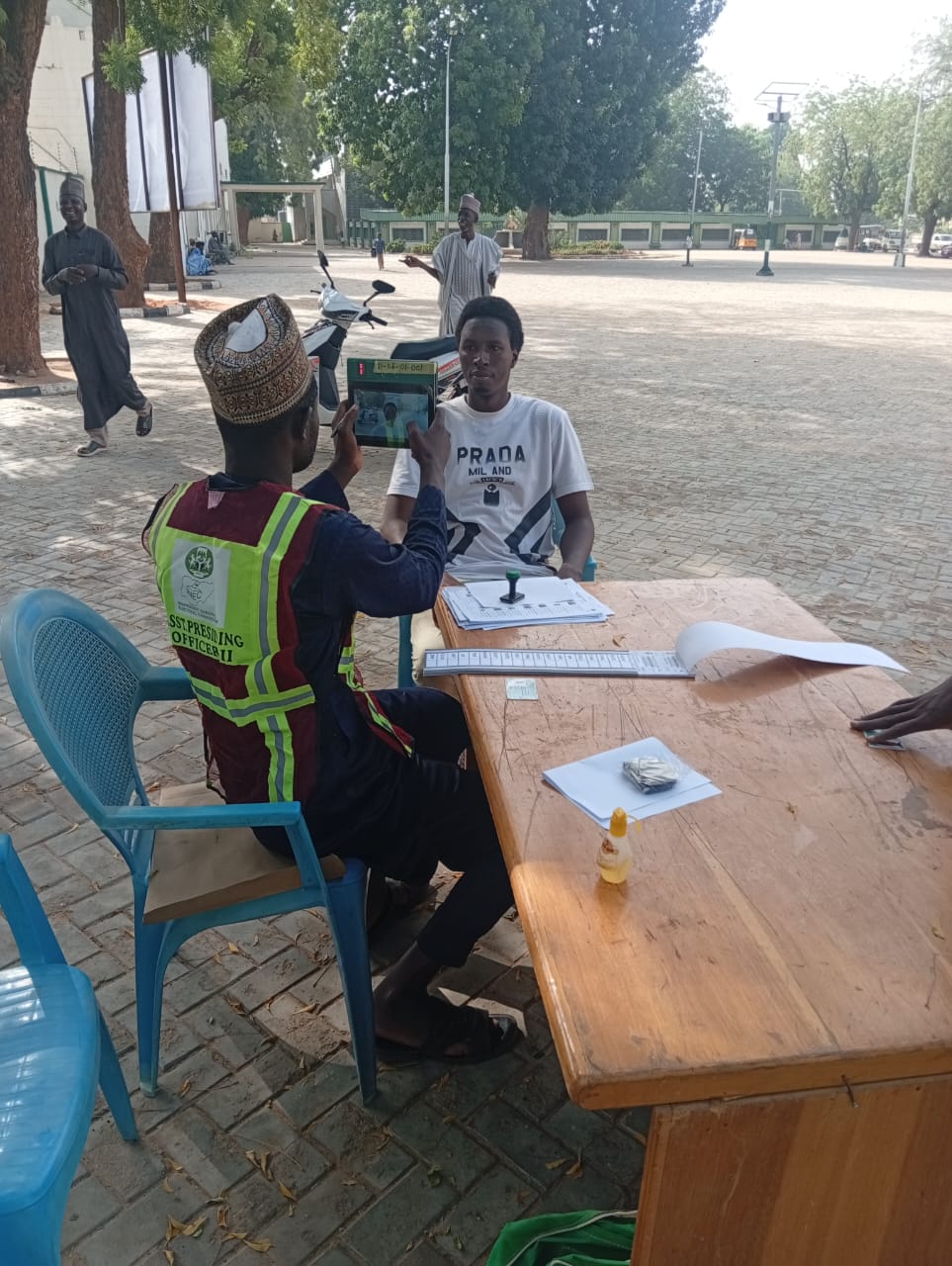
The exercise ran from 8:30 a.m. to 2:30 p.m. across 17,676 polling units, two in each of the country’s 8,838 registration areas. It tested the Bimodal Voter Accreditation System (BVAS) and the electronic upload of polling unit results to the INEC Result Viewing Portal (IReV), the two tools at the centre of the debate over the 2023 elections.
INEC Chairman Joash Amupitan had described the drill as a chance to find faults while there is still time to fix them.
Read more: INEC mock exercise: Everything you need to know about Saturday’s test of BVAS and IReV
Smooth in Lagos, faults elsewhere
Lagos Resident Electoral Commissioner (REC) Ayobami Salami expressed satisfaction with the BVAS while monitoring a polling unit in Surulere. He disclosed that no complaint of technical or network failure had been recorded, adding that “it takes less than one minute to accredit a voter,” according to the News Agency of Nigeria (NAN). The state tested 490 polling units across 245 wards.
Salami explained that INEC has cut the maximum number of voters assigned to one BVAS from 1,250 to 850. Polling units above that figure get extra machines, a change meant to shorten the queues that marred earlier elections.
Other states reported problems. Yiaga Africa noted that one of two BVAS devices at a polling unit in Ijero, Ekiti State, malfunctioned, affecting 512 voters. Officials reportedly could not fix it locally because it was configured in Abuja, and some voters left without taking part.
In Katsina, the BVAS initially failed at facial verification, forcing officials to switch to fingerprint verification until the issue was resolved by 12:39 p.m., according to the Nigeria Civil Society Situation Room.
AIT reported that some devices in Kogi accredited voters in one minute and four seconds, while others developed glitches, although the state’s REC expressed satisfaction. NTA reported minor technical challenges in Delta.
Absent INEC officials and low electorates turnout
The Situation Room’s North-West update described delays and gaps. At a polling unit in Kano, no INEC officials were present as of 10:05 a.m. In Zamfara, no officials or voters were at one polling unit at 9:50 a.m., and accreditation began at 10:48 a.m.
At a school in Kaduna, officials were still absent at 11:30 a.m., and some prospective participants who had waited for long periods left.
In Sokoto, only nine participants turned up at one polling unit, while officials in Kebbi began setting up after 9:00 a.m. The group listed late or absent officials, poor turnout, BVAS faults and gaps in security deployment as the main concerns in the zone.
Turnout was also weak elsewhere. Delta recorded low participation because of the state’s monthly environmental sanitation exercise, and NTA noted inadequate provision for persons with disabilities despite INEC’s inclusion commitments. In Kogi, residents blamed poor public sensitisation, with some seen playing football near the polling unit.
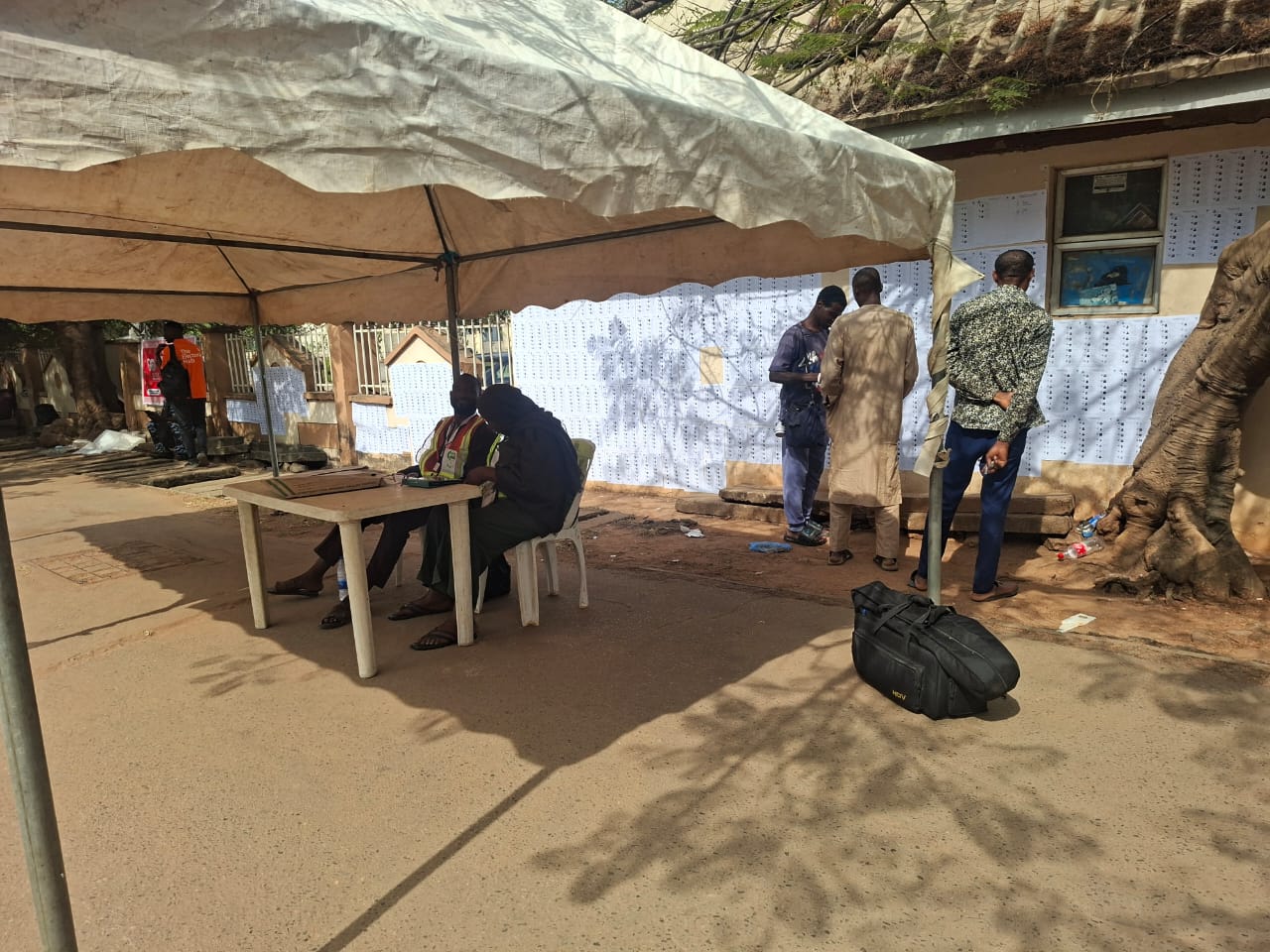
Yiaga Africa’s preliminary findings showed that accreditation and voting had begun in 65 per cent of polling units by 10 a.m., with 275 of 300 reporting by 11 a.m. Salami cautioned that turnout should not be compared with an actual election, while Surulere Local Government Chairman Bamidele Yusuf argued that testing two polling units per ward may not give a full picture, since some wards have as many as 54.
Alleged vote buying in Zamfara
AIT reported a significant turnout at the Madawaki 012 Polling Unit in Zamfara State, with women making up the majority of voters presenting their Permanent Voter Cards. INEC officials at the centre confirmed that all voting machines were functioning and commended voters for taking part.
However, the station’s crew observed alleged incidents of voters being induced with money and other forms of inducement during the exercise. The report did not name those involved or indicate whether INEC or security agencies had responded.
The allegation matters because the exercise was designed to test technology, yet it appears to have exposed a familiar threat to the credibility of the 2027 polls. AIT noted that the episode raises concerns about voter education and the enforcement of electoral laws.
Read also: INEC pledges to keep IReV metadata intact in 2027, but can it be altered? All you need to know
Upload and ballot paper concerns
Observers also questioned the upload process. At Majema II polling unit in Tsanyawa, Kano State, the presiding officer declined to scan and upload the result to IReV and directed observers to the INEC office instead, which an observer post described as contrary to INEC guidelines.
A separate post, using the #WatchingTheVote hashtag, flagged a discrepancy between the number of polling units listed on IReV and the figure the commission released this week, and asked INEC to reconcile them.
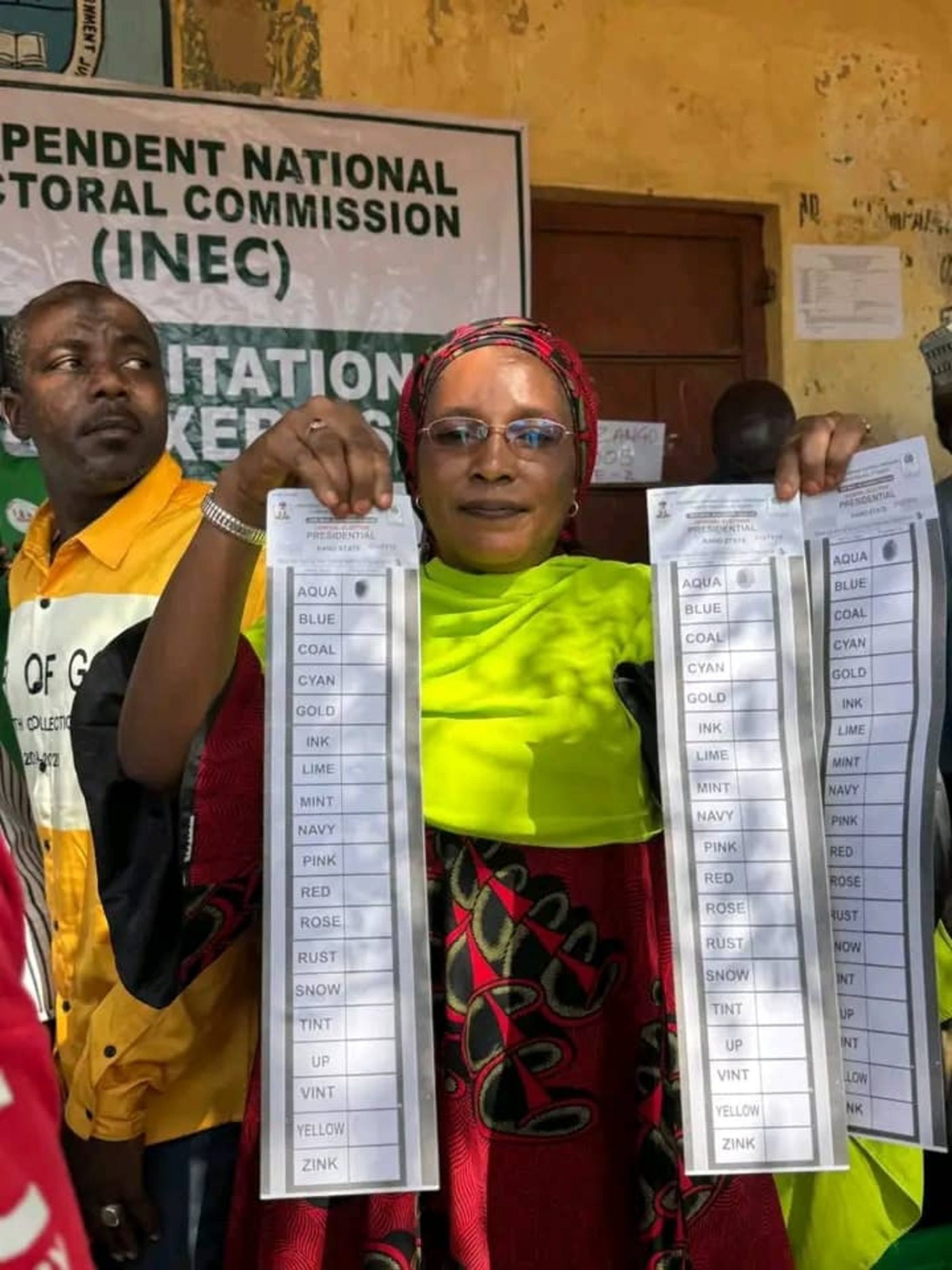
In Idemili North, Anambra State, the Kimpact Development Initiative reported that community members refused to participate because the ballot papers carried no political party names. INEC’s Deputy Director of Voter Education and Publicity, Wilfred Ifogah, had earlier explained that the mock ballots omit party names and logos because the exercise is strictly non-partisan.
With about seven weeks left before the first election, the exercise has handed INEC specific gaps to close: device repair logistics, the punctuality of officials, public awareness, vote-buying safeguards and strict compliance with the upload procedure.