
Guides2 min read
The Robot news gave PI a boost
Pi Network's $PI token received a short-term price boost this week after Fabric Foundation (@FabricFND) announced that @PiCoreTeam had joined RoboPay as a payment partner. The news landed on
Apple's iPhone 18 Pro Max is expected to debut the A20 Pro, the company's first 2-nanometer processor, with leaks pointing to 15% faster performance. Key Points: Leaks describe the A20 Pro as
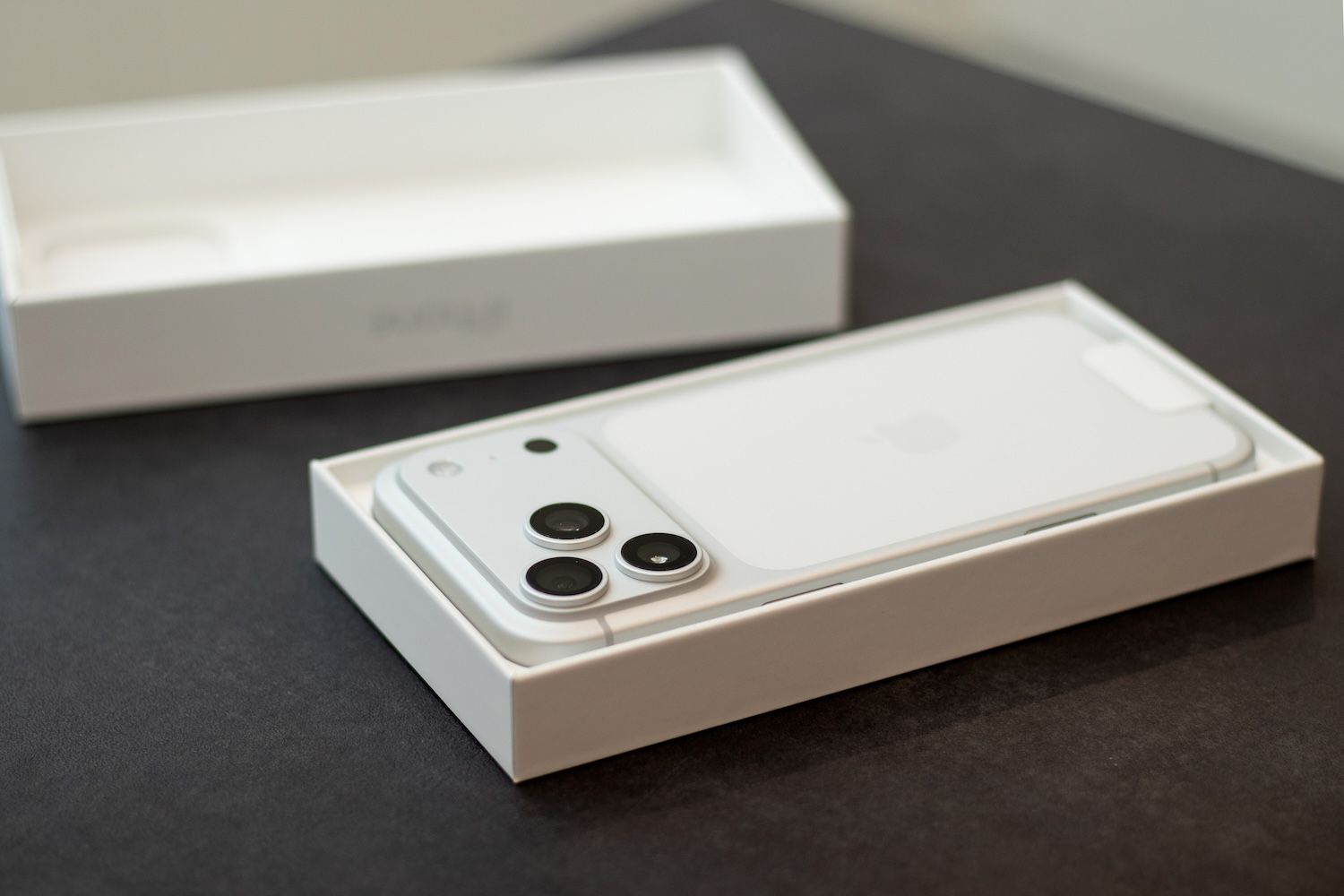
Apple's iPhone 18 Pro Max is expected to debut the A20 Pro, the company's first 2-nanometer processor, with leaks pointing to 15% faster performance.
- Leaks describe the A20 Pro as the first iPhone chip built on a 2-nanometer process.
- Projected gains reach 15% faster performance and 30% better power efficiency over the A19 generation.
- Apple is expected to show the iPhone 18 Pro and Pro Max in September, with the standard model held back.
Reports circulating since late July describe two separate changes to the processor rather than a single headline improvement. The first is a shift from 3-nanometer manufacturing to TSMC's N2 line.
The second involves packaging, and one account places the memory on the same wafer as the processor, the graphics core and the Neural Engine, instead of stacking it above.
That method, known as Wafer-Level Multi-Chip Module, has never shipped inside an iPhone and would mark a first for Apple's mobile silicon. Estimates circulating in the supply chain project up to 15% faster performance and 30% better power efficiency against the A19 generation, though nobody outside Apple has tested the parts.
Apple is expected to reserve the A20 Pro for the iPhone 18 Pro, the Pro Max and its first foldable handset, all of them due in September. A plainer A20 would go to the standard iPhone 18, which has slipped to spring 2027 under a revised release calendar. The split would rank as the biggest change to the iPhone launch schedule in years.
Also Read:OpenAI Flew Influencers To A Farm Resort, Their Followers Pushed Back Hard
The node change carries a bill. Analysts have flagged sharply higher wafer prices for 2nm silicon, which may explain why the chip is expected to reach only the phones Apple sells above $1,000, rather than the full lineup.
Apple will reportedly stay on the base N2 line rather than the enhanced N2P variant.
That newer version enters mass production only in the second half of this year, too late for a September phone. Chief executive Tim Cook warned on the company's most recent earnings call that supply constraints would increase significantly. Stock of the new models could run short at launch.
Apple has taken the first slot at TSMC for each recent process jump, and the pattern runs back much further than the current rumor cycle.
The A17 Pro carried 3nm into phones in 2023, and the A19 family closed out that node last year after three generations.
Ming-Chi Kuo tied the A20 to 2nm as far back as March 2025, when trial production yields were already running above the 60% to 70% band. Samsung reached the node first in mobile. It unveiled the Exynos 2600 as the world's first 2-nanometer mobile system-on-a-chip. Apple's edge has rarely been arriving early, so much as arriving in volume.
Read Next:Dogecoin Faces $0.05 Test Before A Possible Run To $0.12