BitcoinWorld Iran and US Continue Talks on Preliminary Deal to Unfreeze Frozen Funds Iran and the United States are continuing negotiations over a preliminary agreement that would establish a
BitcoinWorld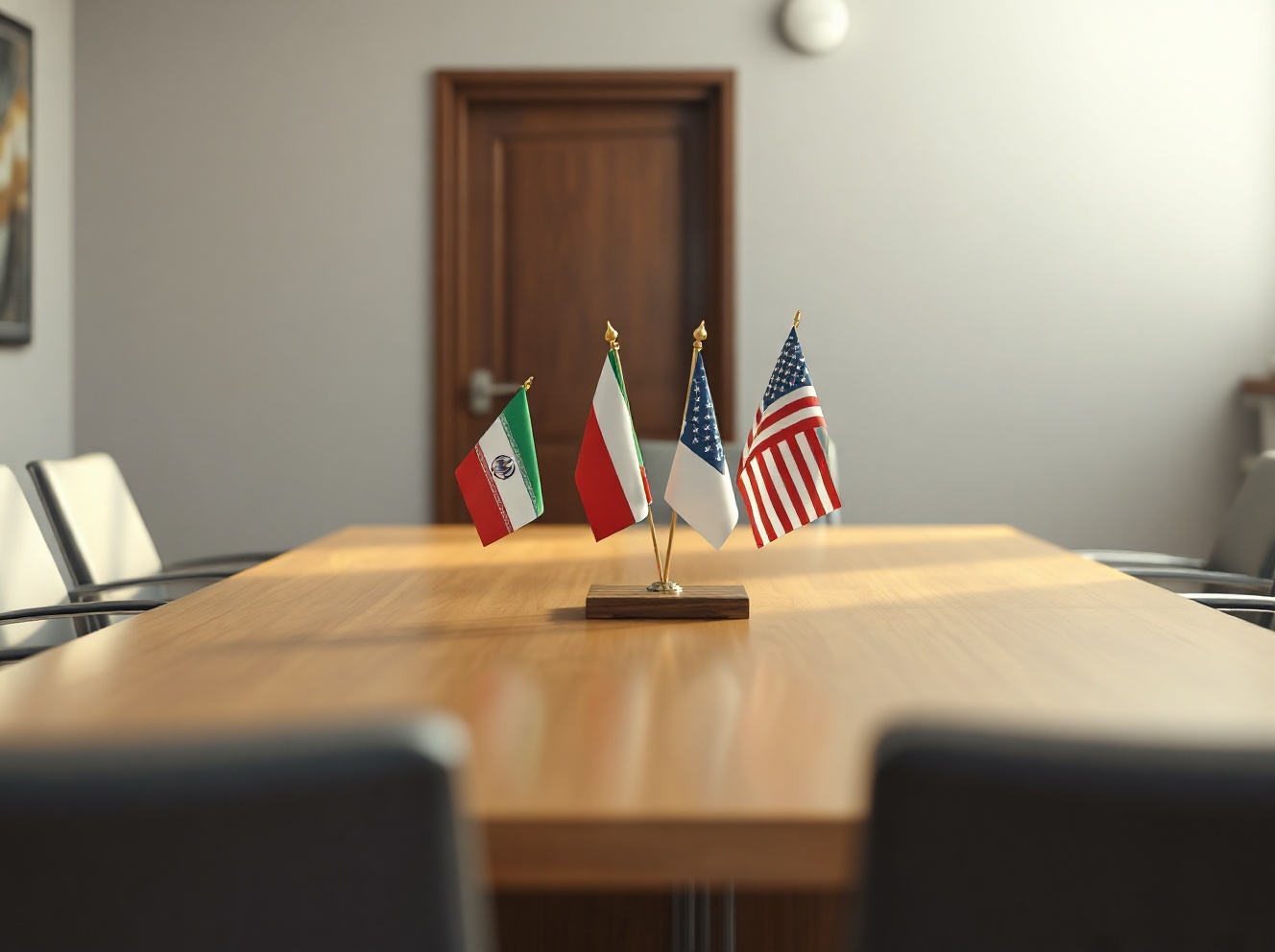 Iran and US Continue Talks on Preliminary Deal to Unfreeze Frozen Funds
Iran and the United States are continuing negotiations over a preliminary agreement that would establish a mechanism for releasing Iranian funds currently frozen in foreign banks, according to Iranian sources familiar with the discussions. The talks, which have been ongoing through intermediaries, aim to address a key sticking point in broader diplomatic efforts between the two nations.
Background of the Negotiations
The frozen funds, estimated to be worth billions of dollars, are held in accounts in countries such as South Korea, Iraq, and Luxembourg. They stem from oil revenues that Iran has been unable to access due to US sanctions imposed after the Trump administration withdrew from the 2015 nuclear deal, formally known as the Joint Comprehensive Plan of Action (JCPOA), in 2018. Iran has long demanded the release of these funds as a sign of good faith and as a prerequisite for further negotiations on its nuclear program.
The current talks, which are being conducted indirectly through Oman and Qatar, focus on a preliminary agreement that would see the funds transferred to Iranian accounts in a third country, where they could be used for humanitarian imports such as food, medicine, and agricultural products. This mechanism is designed to ensure compliance with US sanctions while providing Iran with much-needed economic relief.
Implications for Broader Diplomacy
Progress on the fund release could serve as a confidence-building measure, potentially paving the way for renewed negotiations on the nuclear issue. The Biden administration has expressed willingness to re-enter the JCPOA if Iran returns to compliance, but talks have stalled over disagreements on the scope of sanctions relief and nuclear restrictions.
Analysts note that the fund release, while significant, is a narrow technical issue that does not resolve the larger impasse. However, it could reduce tensions and create a more conducive atmosphere for future talks. Iran’s economy has been under severe strain from sanctions, inflation, and unemployment, making access to frozen funds a critical domestic priority for the government.
Regional and Global Reactions
The negotiations have drawn attention from regional powers and international observers. Gulf states, particularly Saudi Arabia and the United Arab Emirates, are closely monitoring the talks, as any easing of sanctions on Iran could shift the regional balance of power. European signatories to the JCPOA, including France, Germany, and the UK, have urged both sides to reach a compromise, warning that further delays could undermine the non-proliferation framework.
Israel has expressed strong opposition to any deal that provides Iran with economic relief without verifiable nuclear concessions. Prime Minister Benjamin Netanyahu has reiterated that Israel will not accept a nuclear-capable Iran and has hinted at potential military action if diplomacy fails.
Conclusion
The ongoing talks between Iran and the United States on unfreezing funds represent a small but potentially significant step in a long-stalled diplomatic process. While the preliminary agreement is limited in scope, it could help rebuild trust and open the door for more comprehensive negotiations. However, substantial differences remain, and the path forward is fraught with political and technical challenges. The outcome of these discussions will be closely watched by global markets, regional actors, and the international community.
FAQs
Q1: Why are Iranian funds frozen in foreign banks?The funds are frozen due to US sanctions imposed after the US withdrawal from the 2015 nuclear deal. They represent oil revenues that Iran cannot access because of restrictions on financial transactions.
Q2: How would the funds be released under the preliminary deal?The proposed mechanism involves transferring the funds to Iranian accounts in a third country, where they would be used exclusively for humanitarian imports like food and medicine, ensuring compliance with US sanctions.
Q3: What is the significance of this deal for the nuclear negotiations?The fund release is seen as a confidence-building measure that could reduce tensions and create a more favorable environment for broader talks on Iran’s nuclear program, though it does not directly resolve the core disagreements.
This post Iran and US Continue Talks on Preliminary Deal to Unfreeze Frozen Funds first appeared on BitcoinWorld.