BitcoinWorld Iran: Final Nuclear Deal Talks Conditional on MOU Provisions The Iranian Foreign Ministry has clarified that negotiations for a final nuclear agreement remain contingent upon the
BitcoinWorld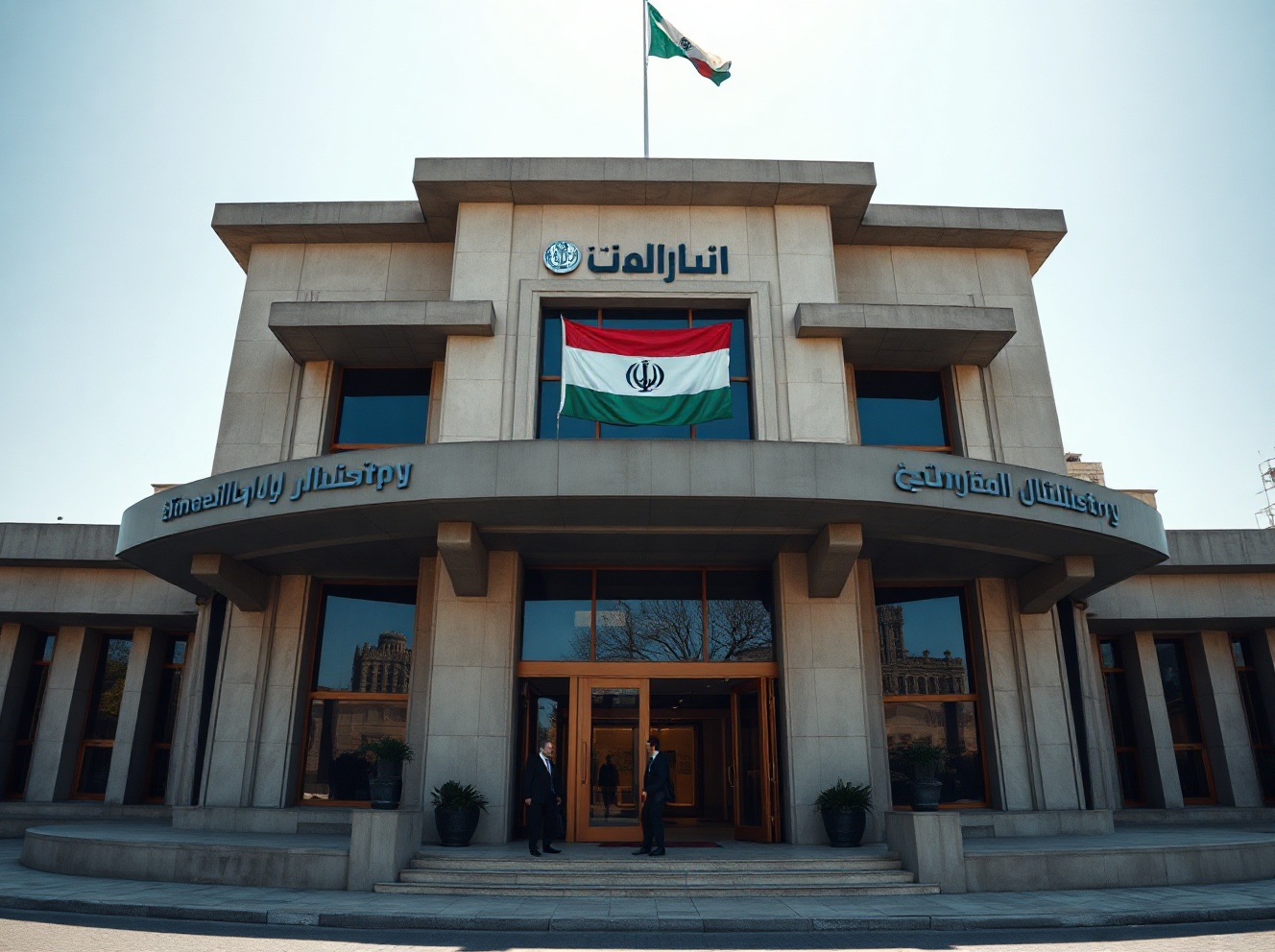 Iran: Final Nuclear Deal Talks Conditional on MOU Provisions
The Iranian Foreign Ministry has clarified that negotiations for a final nuclear agreement remain contingent upon the implementation and sustained enforcement of specific provisions outlined in the U.S.-Iran memorandum of understanding (MOU). The statement, delivered by ministry spokesperson Nasser Kanaani during a weekly press briefing in Tehran, underscores a key diplomatic hurdle as both sides seek to resolve outstanding issues.
Background of the MOU and Current Stalemate
The MOU, signed earlier this year, was intended to serve as a temporary framework for de-escalation and confidence-building. It includes provisions related to uranium enrichment levels, sanctions relief, and the release of frozen assets. However, Iran has argued that the United States has not fully complied with several key commitments, particularly regarding the unblocking of funds and the removal of secondary sanctions on non-oil sectors. According to the ministry, the final deal cannot move forward unless these terms are honored in practice, not just on paper.
Diplomatic sources indicate that negotiations have stalled since late last month, with both sides exchanging proposals through European intermediaries. The U.S. State Department has not issued a formal response to Iran’s latest statement, but previous remarks have emphasized Washington’s position that the MOU is a starting point, not a final framework.
Implications for Regional Stability and Global Markets
The standoff carries significant implications beyond bilateral relations. Iran’s nuclear program remains a central concern for the International Atomic Energy Agency (IAEA), which has reported that Tehran continues to enrich uranium at levels exceeding the 2015 Joint Comprehensive Plan of Action (JCPOA) limits. A failure to reach a final agreement could increase the risk of further escalation in the Persian Gulf, potentially affecting oil shipping routes and global energy prices.
Market analysts have noted that oil prices have remained volatile in recent weeks, partly due to uncertainty over Iranian supply returning to global markets. A final deal could unlock additional crude exports, while a breakdown could sustain tighter supply conditions.
What the MOU Provisions Entail
The MOU, negotiated indirectly through Oman and Qatar, reportedly includes three main pillars:
- Limitation of uranium enrichment to 60% purity, with IAEA monitoring access.
- Release of approximately $6 billion in frozen Iranian assets held in South Korea and Iraq, earmarked for humanitarian goods.
- A mutual commitment to refrain from further escalatory actions, including additional sanctions or nuclear advancements.
Iran’s insistence on the full implementation of these terms reflects a broader strategy of securing tangible economic benefits before agreeing to longer-term restrictions.
Expert Analysis and Outlook
Political analysts suggest that the current impasse is not unexpected, given the deep mistrust between the two governments. Iran’s domestic political landscape also plays a role, with hardline factions skeptical of any agreement that does not deliver immediate relief. Meanwhile, the U.S. administration faces pressure from Congress and regional allies, including Israel and Saudi Arabia, to maintain a firm stance.
Negotiations are expected to resume in the coming weeks, possibly at the ministerial level. However, unless both sides demonstrate greater flexibility, a final deal remains uncertain.
Conclusion
Iran’s latest statement reaffirms its position that the MOU is not merely a preliminary step but a binding framework that must be fully executed before broader talks can succeed. The coming weeks will test whether diplomatic channels can overcome the current deadlock or whether the region faces renewed tensions.
FAQs
Q1: What is the U.S.-Iran MOU?The MOU is a temporary agreement signed earlier this year, outlining steps for de-escalation, including limits on uranium enrichment and the release of frozen Iranian assets in exchange for humanitarian access.
Q2: Why is Iran linking the final deal to MOU provisions?Iran argues that the U.S. has not fully implemented key MOU terms, particularly sanctions relief and asset releases. Tehran insists that these commitments must be fulfilled as a condition for negotiating a permanent agreement.
Q3: What happens if no final deal is reached?Without a final agreement, Iran could continue advancing its nuclear program beyond current limits, increasing tensions with the U.S., Israel, and IAEA. Global oil markets may also face continued volatility due to uncertainty over Iranian supply.
This post Iran: Final Nuclear Deal Talks Conditional on MOU Provisions first appeared on BitcoinWorld.