BitcoinWorld Iran Rejects Trump Ceasefire Proposal Amid Strait of Hormuz Dispute Iran has rejected a ceasefire proposal put forward by U.S. President Donald Trump, according to a report from
BitcoinWorld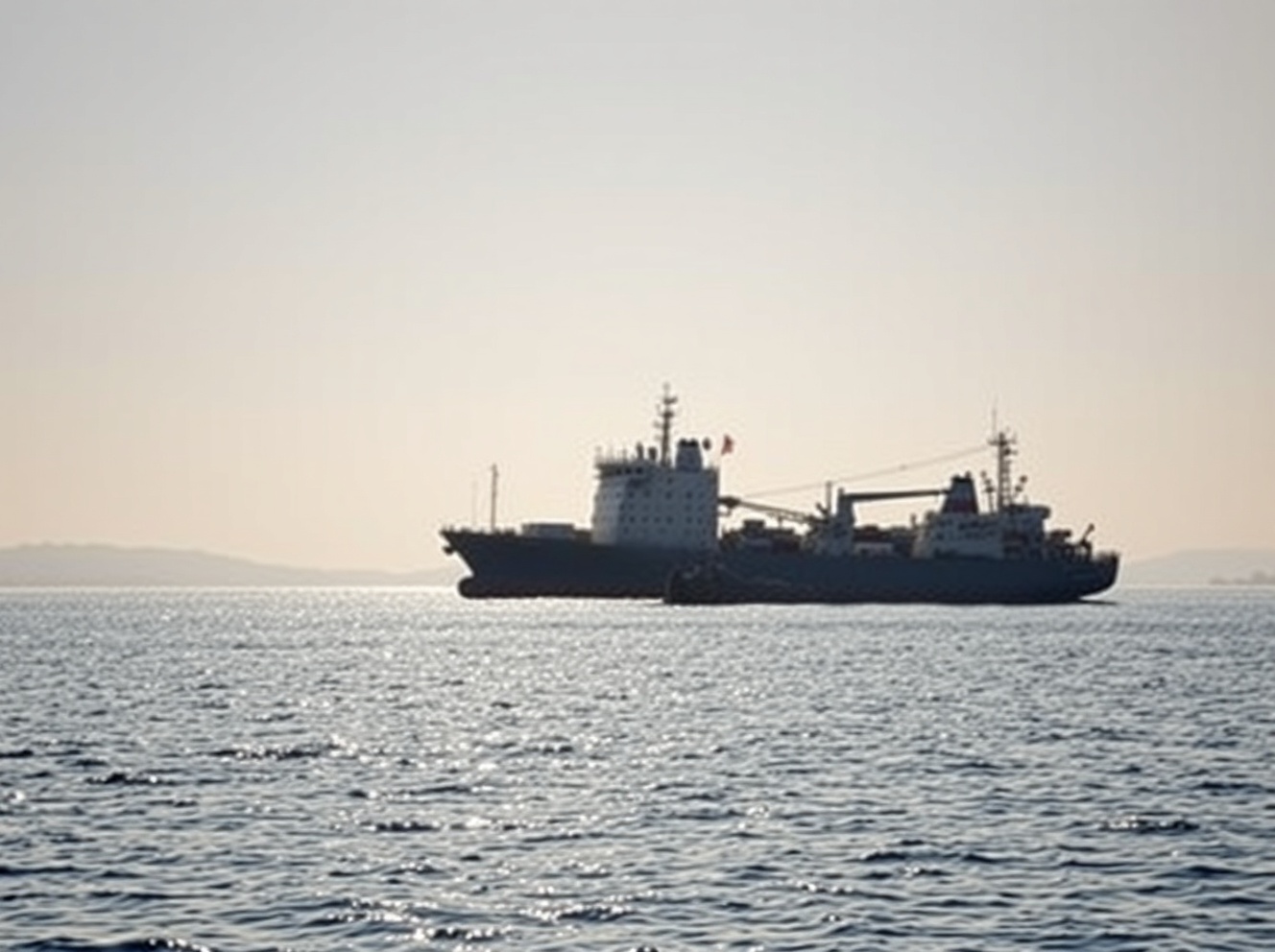 Iran Rejects Trump Ceasefire Proposal Amid Strait of Hormuz Dispute
Iran has rejected a ceasefire proposal put forward by U.S. President Donald Trump, according to a report from the New York Times citing Iranian and Iraqi officials. The proposal, delivered by Iraqi Prime Minister Ali al-Zaidi, represented the only ceasefire offer currently on the table between the two nations. However, Iranian officials indicated they have no interest in a temporary truce unless the broader issue of control over the Strait of Hormuz is resolved.
Background of the Ceasefire Proposal
The ceasefire initiative emerged amid heightened tensions between the United States and Iran, particularly following the U.S. withdrawal from the Joint Comprehensive Plan of Action (JCPOA) in 2018 and the subsequent reimposition of sanctions. The Trump administration has pursued a policy of maximum pressure, aiming to curb Iran’s nuclear program and regional influence. The Strait of Hormuz, a vital chokepoint for global oil shipments, has been a recurring flashpoint, with Iran threatening to disrupt traffic in response to sanctions.
Iran’s Stance on the Strait of Hormuz
Iran’s rejection underscores its strategic focus on the Strait of Hormuz, through which about 20% of the world’s oil passes. Tehran views control over the strait as a key bargaining chip in negotiations, linking any ceasefire to broader discussions on maritime security and sanctions relief. Iraqi Prime Minister al-Zaidi’s mediation efforts, while welcomed by both sides, have so far failed to bridge the gap, as Iran insists on a comprehensive solution rather than a temporary halt to hostilities.
Implications for Regional Stability
The failed ceasefire proposal highlights the deep mistrust between Washington and Tehran. Without a resolution on the Strait of Hormuz, the risk of miscalculation or escalation remains high. The region has already witnessed several incidents, including attacks on oil tankers and drone strikes, which have raised concerns about a broader conflict. For global markets, the uncertainty adds to volatility in oil prices, as traders monitor any potential disruption to shipping lanes.
Conclusion
Iran’s rejection of the Trump ceasefire proposal, tied to the Strait of Hormuz issue, represents a significant setback for diplomatic efforts. The coming weeks will be critical as both sides weigh their next moves, with the possibility of further mediation or renewed pressure. For now, the standoff continues, underscoring the complex interplay of geopolitics and energy security in the Middle East.
FAQs
Q1: Why did Iran reject the ceasefire proposal?Iran rejected the proposal because it was conditional on a temporary truce, while Tehran insists on resolving the Strait of Hormuz issue first, linking it to broader negotiations on sanctions and maritime security.
Q2: What is the significance of the Strait of Hormuz?The Strait of Hormuz is a narrow waterway between Iran and Oman, through which about 20% of the world’s oil passes. It is a critical chokepoint for global energy supplies, making it a strategic asset in geopolitical disputes.
Q3: Who delivered the ceasefire proposal?The proposal was delivered by Iraqi Prime Minister Ali al-Zaidi, who has been acting as a mediator between the United States and Iran.
This post Iran Rejects Trump Ceasefire Proposal Amid Strait of Hormuz Dispute first appeared on BitcoinWorld.