BitcoinWorld Iran’s Top Negotiator Qalibaf: ‘We Have No Trust in Guarantees or Words’ Iran’s top nuclear negotiator, Mohammad Qalibaf, has delivered a stark assessment of the current state of
BitcoinWorld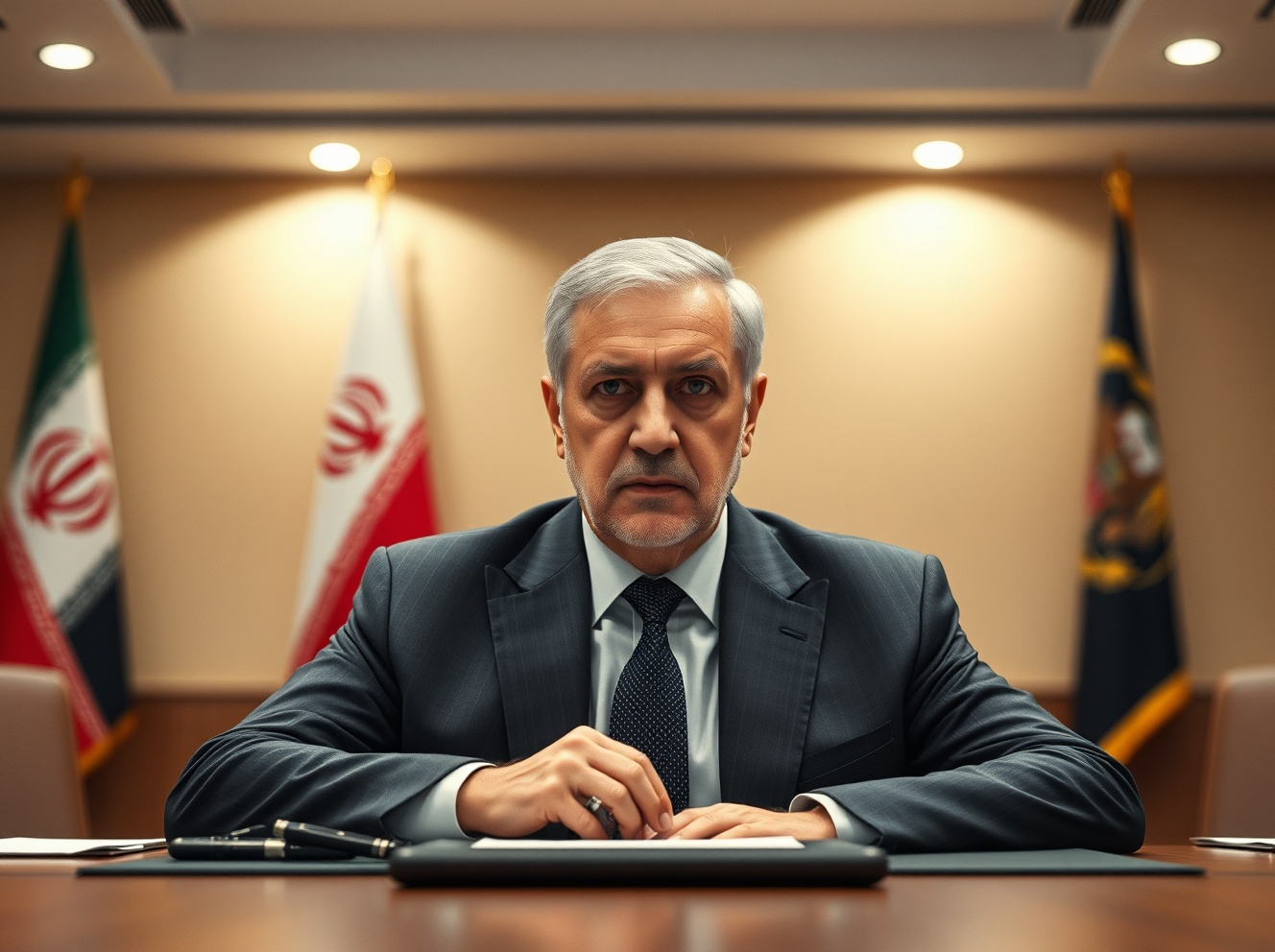 Iran’s Top Negotiator Qalibaf: ‘We Have No Trust in Guarantees or Words’
Iran’s top nuclear negotiator, Mohammad Qalibaf, has delivered a stark assessment of the current state of diplomatic talks, stating unequivocally that Tehran places no trust in written guarantees or verbal commitments from Western powers. The remarks, made during a closed-door briefing with senior Iranian officials, underscore the deepening skepticism within Iran’s leadership as negotiations over its nuclear program remain stalled.
Context of the Statement
Qalibaf, a former mayor of Tehran and a close ally of Supreme Leader Ayatollah Ali Khamenei, is known for his hardline stance on foreign policy. His comments come amid renewed international efforts to revive the 2015 Joint Comprehensive Plan of Action (JCPOA), which has been in limbo since the United States unilaterally withdrew in 2018. Iran has since expanded its uranium enrichment activities, drawing criticism from the International Atomic Energy Agency (IAEA).
The negotiator’s lack of trust is rooted in historical grievances. Tehran points to the U.S. withdrawal from the JCPOA under President Donald Trump, despite the deal being endorsed by the United Nations Security Council. European signatories have also failed to deliver on promised economic relief, further eroding confidence.
Implications for Diplomacy and Markets
Qalibaf’s statement signals that Iran may harden its negotiating position, demanding legally binding mechanisms rather than political assurances. This could delay any potential agreement, increasing the risk of further sanctions or military escalation in the Middle East.
For global markets, the uncertainty weighs on oil prices. Iran holds some of the world’s largest oil and gas reserves, and a return to the global market could increase supply. However, the current stalemate keeps Iranian crude largely under sanctions, supporting higher prices. Investors in energy and defense sectors are closely monitoring the diplomatic trajectory.
Regional and Global Reactions
Israel has welcomed the diplomatic impasse, viewing any nuclear deal with Iran as a threat to its security. Meanwhile, Gulf Arab states have urged de-escalation but remain wary of Iran’s regional ambitions. The European Union has called for continued dialogue, but Qalibaf’s comments suggest a widening trust deficit.
Conclusion
Qalibaf’s declaration reflects a fundamental shift in Iran’s diplomatic posture, moving from conditional engagement to outright rejection of Western guarantees. Without a breakthrough in trust, the prospects for a new nuclear agreement remain dim. The international community faces a critical juncture: either find a way to rebuild credibility with Tehran or prepare for prolonged instability in the region.
FAQs
Q1: Who is Mohammad Qalibaf?Mohammad Qalibaf is a senior Iranian politician and the current speaker of the Iranian Parliament. He is a former mayor of Tehran and a prominent figure in Iran’s conservative faction, often serving as a key negotiator in sensitive diplomatic matters.
Q2: Why does Iran distrust Western guarantees?Iran’s distrust stems from the U.S. withdrawal from the 2015 nuclear deal (JCPOA) in 2018, despite international endorsement. Tehran also points to the failure of European signatories to deliver promised economic benefits, leading to a belief that written agreements are not enforceable.
Q3: How does this affect the nuclear deal negotiations?Qalibaf’s statement indicates that Iran will likely demand more robust, legally binding guarantees before resuming compliance. This could further delay negotiations and increase the risk of a complete breakdown in diplomatic efforts, potentially leading to renewed sanctions or military tensions.
This post Iran’s Top Negotiator Qalibaf: ‘We Have No Trust in Guarantees or Words’ first appeared on BitcoinWorld.