BitcoinWorld Israel Says IDF Will Maintain Positions in Southern Lebanon Despite Reported US Pressure Israeli officials confirmed this week that the Israel Defense Forces (IDF) will retain a
BitcoinWorld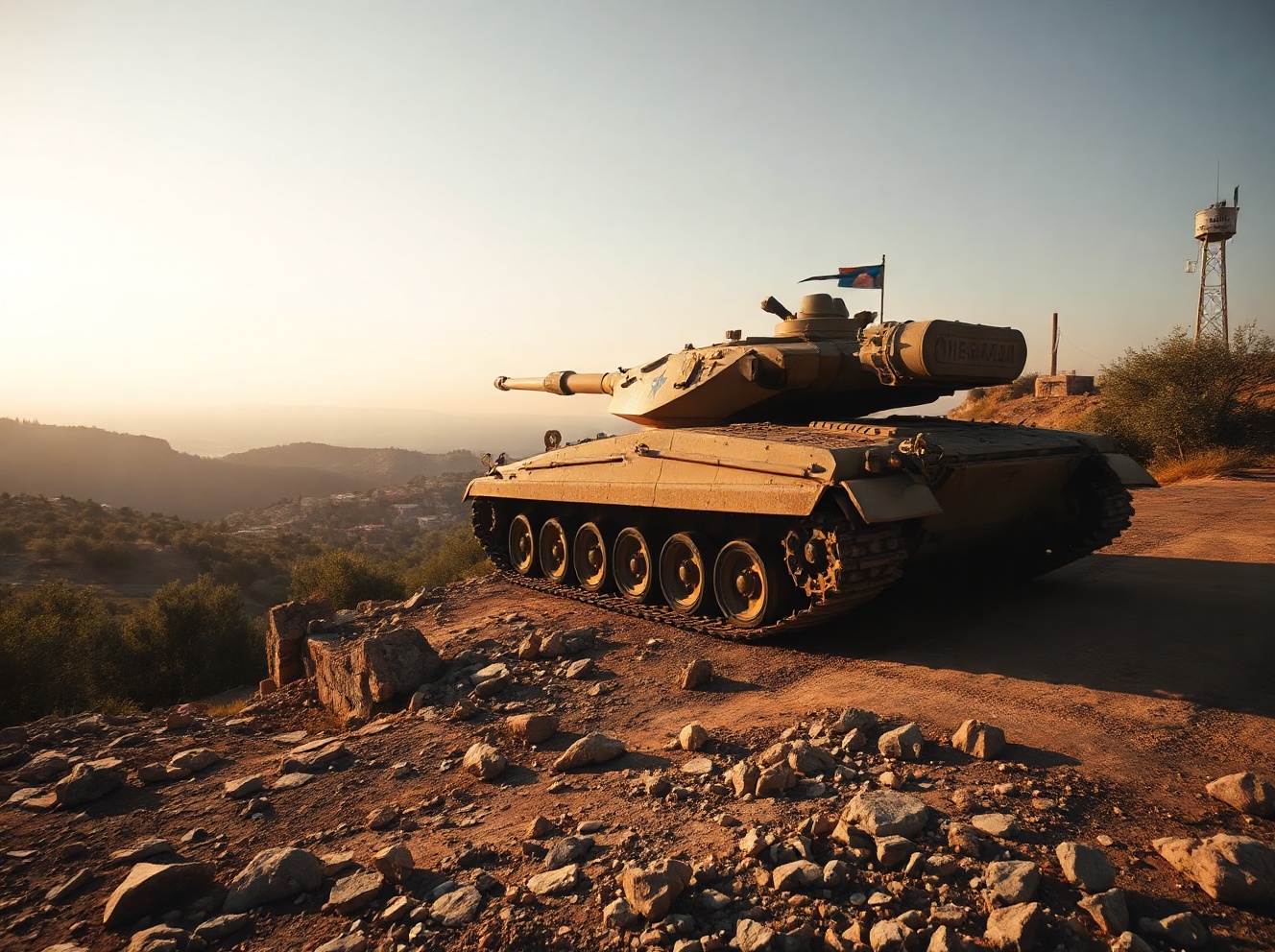 Israel Says IDF Will Maintain Positions in Southern Lebanon Despite Reported US Pressure
Israeli officials confirmed this week that the Israel Defense Forces (IDF) will retain a military presence in southern Lebanon beyond a previously agreed withdrawal deadline, pushing back against what sources describe as sustained diplomatic pressure from the Biden administration. The decision underscores a growing divergence between Washington and Jerusalem over the pace and scope of post-ceasefire security arrangements along the volatile border.
Background of the Deployment
The IDF entered southern Lebanon in October 2023 following a series of cross-border attacks by Hezbollah, which escalated into the most intense exchanges of fire since the 2006 war. Under a US-brokered ceasefire framework that took effect in late November 2024, Israel agreed to a phased withdrawal of its ground forces, contingent on the Lebanese Armed Forces (LAF) and the United Nations Interim Force in Lebanon (UNIFIL) assuming full control of the area south of the Litani River.
According to defense analysts, the IDF has already pulled back from several forward positions but continues to hold key ridgelines and observation posts near the Blue Line. Israeli officials argue that the LAF has not yet deployed sufficient troops to prevent Hezbollah from re-establishing infrastructure close to the border. US diplomatic cables, reviewed by regional media, indicate that Washington views the continued Israeli presence as a potential violation of the ceasefire terms and a risk to broader regional stability.
US-Israel Diplomatic Friction
Reports of American pressure have surfaced in Israeli and international outlets over the past week. While the White House has not issued a public ultimatum, behind-the-scenes discussions have reportedly included warnings about potential restrictions on military aid or shifts in UN Security Council resolutions. Prime Minister Benjamin Netanyahu’s office responded by emphasizing Israel’s right to self-defense under Article 51 of the UN Charter, stating that any withdrawal must be based on verifiable security conditions, not calendar dates.
This is not the first time the two allies have disagreed on operational timelines. In 2024, the US pressed Israel to accelerate its withdrawal from parts of the West Bank, leading to months of diplomatic back-and-forth. However, the southern Lebanon issue carries higher stakes because of its direct connection to Hezbollah’s military capabilities and the risk of a broader confrontation with Iran.
What the IDF Presence Means for Local Communities
Residents of northern Israel have grown accustomed to rocket fire and evacuation orders over the past 18 months. For them, the IDF’s continued presence in southern Lebanon is a reassurance that buffer zones will remain intact. Conversely, Lebanese villagers in the south have reported restrictions on movement and farming activities near IDF positions. UNIFIL has documented at least a dozen incidents of tension between Israeli troops and local civilians since January, though no casualties have been reported.
The economic toll is also mounting. Cross-border trade between Lebanon and Israel has been halted since the conflict began, and the continued military posture discourages international investment in reconstruction efforts. The World Bank estimates that rebuilding southern Lebanon’s infrastructure will require at least $3.5 billion, a process that cannot begin in earnest until a stable security framework is in place.
Regional and International Reactions
Hezbollah has issued statements calling the IDF’s continued deployment a violation of Lebanese sovereignty and has threatened to resume attacks if Israeli forces do not withdraw by the end of the month. However, the group has not yet mobilized fighters in large numbers, suggesting a cautious approach that avoids triggering a full-scale war.
France, which has historical ties to Lebanon, has urged both sides to adhere to UN Security Council Resolution 1701, which ended the 2006 war and calls for the disarmament of all militias. The French foreign ministry issued a statement on Tuesday expressing concern over the current impasse and calling for renewed dialogue. Meanwhile, Iran’s foreign ministry praised Hezbollah’s restraint while condemning what it called Israeli occupation of Lebanese land.
Conclusion
The IDF’s decision to remain in southern Lebanon reflects a fundamental disagreement between Israel and the United States over how to define security in a region where non-state actors operate with state-level military capabilities. For now, the ceasefire holds, but the underlying tensions remain unresolved. The coming weeks will test whether diplomatic channels can bridge the gap between Israel’s demand for verifiable security and Washington’s interest in a swift return to pre-war arrangements. Readers should monitor statements from the White House and the Israeli Defense Ministry for signs of a potential compromise or escalation.
FAQs
Q1: Why does Israel want to keep troops in southern Lebanon?Israel argues that the Lebanese Armed Forces and UNIFIL have not fully secured the area, leaving room for Hezbollah to rebuild its military infrastructure near the border. The IDF wants to ensure that rocket launch sites and observation posts are dismantled before withdrawing.
Q2: What is the US position on this issue?The Biden administration supports a full Israeli withdrawal under the ceasefire framework and has reportedly applied diplomatic pressure to that end. Washington views the continued IDF presence as a potential obstacle to long-term stability and as a strain on US-Lebanese relations.
Q3: Could this situation lead to a new war?While the risk of escalation exists, both Hezbollah and Israel have shown restraint in recent months. The current dynamic is one of strategic positioning rather than immediate confrontation. However, a miscalculation or a localized incident could quickly escalate into broader hostilities.
This post Israel Says IDF Will Maintain Positions in Southern Lebanon Despite Reported US Pressure first appeared on BitcoinWorld.