BitcoinWorld Japan’s Trade Deficit Narrows in July as Exports Recover Japan’s adjusted merchandise trade balance came in at ¥-686 billion in July, improving from a revised deficit of ¥-881.9
BitcoinWorld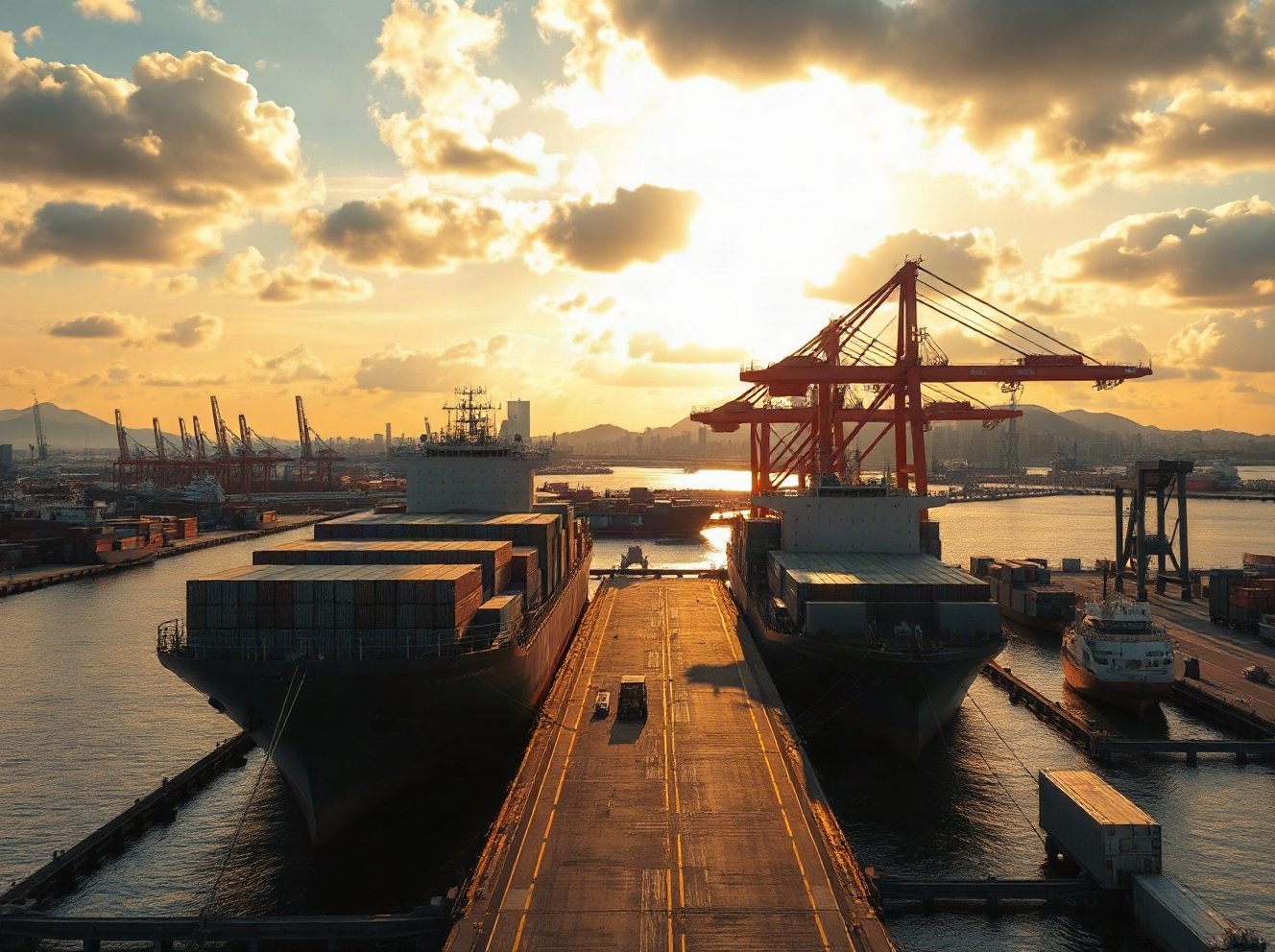 Japan’s Trade Deficit Narrows in July as Exports Recover
Japan’s adjusted merchandise trade balance came in at ¥-686 billion in July, improving from a revised deficit of ¥-881.9 billion in the previous month, according to official data released by the Ministry of Finance. The narrower shortfall suggests that export momentum is gradually recovering, even as global demand remains uneven and import costs stay elevated.
The July trade balance, which adjusts for seasonal factors, reflects a continuing trend of import costs outpacing export gains, but at a slower pace than in June. The improvement of roughly ¥195.9 billion month-over-month points to firmer shipments of automobiles, machinery, and electronic components, key pillars of Japan’s export economy.
Imports, while still high due to energy and raw material prices, have begun to moderate. That combination—stronger exports and stabilizing import bills—helped shrink the deficit, though the balance remains in negative territory for the 13th consecutive month.
Why this matters for Japan’s economy
The trade balance is a critical gauge of Japan’s external competitiveness and domestic demand. A narrower deficit eases pressure on the yen and supports corporate earnings, particularly for exporters. However, the persistent shortfall underscores structural challenges: Japan relies heavily on imported fuel and food, leaving its trade account sensitive to global commodity price swings.
Economists watch these figures closely for signals on the Bank of Japan’s policy path. A sustained improvement in trade could support the case for gradual monetary normalization, though policymakers remain cautious given global slowdown risks.
Regional and global context
Japan’s trade performance is also shaped by demand from key partners. Exports to the United States and Europe have shown resilience, while shipments to China, Japan’s largest trading partner, have been more volatile due to slower Chinese industrial activity. The data for July indicates that diversification efforts are helping to offset some of that weakness.
Conclusion
Japan’s July trade deficit narrowed to ¥-686 billion from ¥-881.9 billion, offering a modest but positive signal for the world’s third-largest economy. While the country remains in a trade shortfall, the improving trend in exports and stabilizing import costs provide a foundation for cautious optimism. Sustained gains will depend on global demand and energy price dynamics in the coming months.
FAQs
Q1: What is the adjusted merchandise trade balance?The adjusted merchandise trade balance is a seasonally adjusted measure of the difference between a country’s exports and imports of physical goods. It removes seasonal fluctuations to reveal underlying trends.
Q2: Why is Japan’s trade deficit still large?Japan’s deficit persists because it imports most of its energy and raw materials, and global prices for these commodities remain high. At the same time, export growth has been moderate due to weaker global demand.
Q3: How does the trade balance affect the yen?A narrower trade deficit can reduce downward pressure on the yen, as it implies less net selling of yen to pay for imports. A stronger yen can lower import costs but may also make Japanese exports less competitive.
This post Japan’s Trade Deficit Narrows in July as Exports Recover first appeared on BitcoinWorld.