BitcoinWorld Japanese Yen Rises as Cool US CPI Data Reduces Fed Rate Hike Expectations The Japanese yen strengthened against the US dollar on Wednesday after a cooler-than-expected US Consume
BitcoinWorld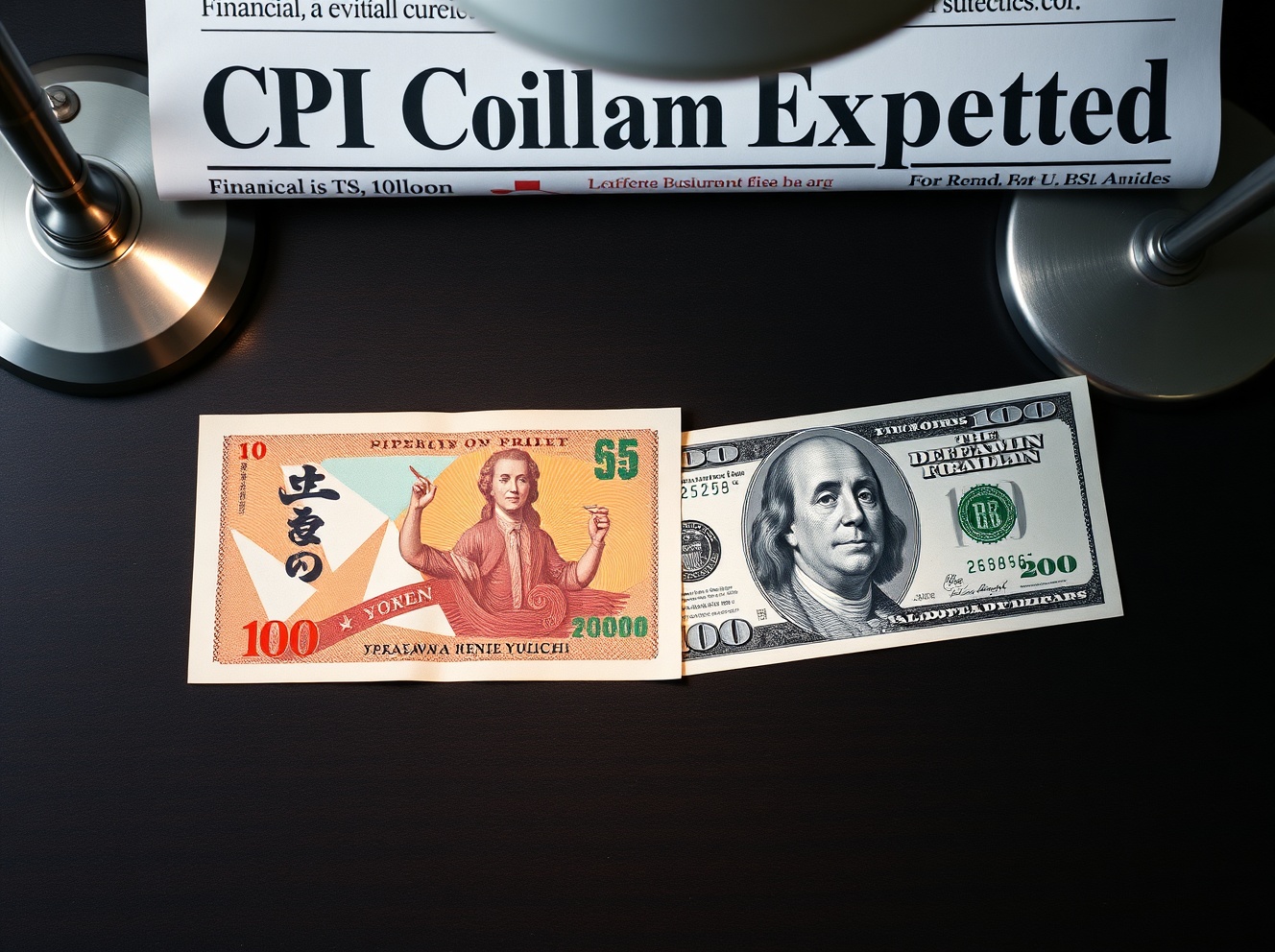 Japanese Yen Rises as Cool US CPI Data Reduces Fed Rate Hike Expectations
The Japanese yen strengthened against the US dollar on Wednesday after a cooler-than-expected US Consumer Price Index (CPI) report for October 2026 reduced market expectations of further Federal Reserve interest rate hikes. The USD/JPY pair fell sharply, reflecting a shift in investor sentiment as inflation data came in below analyst forecasts.
Market Reaction to US CPI Data
The US Bureau of Labor Statistics reported on November 11, 2026, that the headline CPI rose 0.2% month-over-month in October, below the 0.3% consensus estimate. Core CPI, which excludes volatile food and energy prices, increased 0.3%, also missing the 0.4% forecast. The annual headline inflation rate stood at 3.2%, down from 3.4% in September.
Following the release, the dollar index (DXY) dropped 0.6%, while the yen surged over 1% against the greenback, trading near 148.50 yen per dollar as of late New York session. The move was amplified by short-covering in yen positions, which had been heavily bearish in recent weeks.
Why the Yen Reacted Sharply
The yen’s sensitivity to US interest rate expectations stems from the wide interest rate differential between Japan and the United States. The Bank of Japan (BOJ) has maintained ultra-loose monetary policy, keeping its benchmark rate at -0.1%, while the Fed has raised rates to a range of 5.25%-5.50%.
A cooler CPI reading reduces the likelihood of another Fed rate hike at the December 2026 Federal Open Market Committee (FOMC) meeting. According to CME Group’s FedWatch Tool, the probability of a 25-basis-point hike fell from 25% to 8% after the CPI release. Lower US yields make the dollar less attractive relative to the yen, even with Japan’s low rates.
Implications for Forex Traders and Investors
The yen’s rally may be short-lived if the BOJ maintains its dovish stance. However, traders are now watching for potential intervention by Japanese authorities, who have historically stepped in to curb excessive yen weakness. Finance Minister Shunichi Suzuki reiterated on Thursday that the government is watching currency moves with a sense of urgency.
For import-dependent Japanese companies, a stronger yen reduces the cost of imported energy and raw materials, potentially easing pressure on corporate margins. Conversely, exporters like Toyota and Sony may see reduced competitiveness abroad if the yen continues to strengthen.
Conclusion
The yen’s rise following cooler US CPI data reflects a repricing of Fed rate expectations rather than a fundamental shift in Japan’s monetary policy. While the move offers temporary relief for the yen, the broader trend will depend on upcoming US economic data and any signals from the BOJ about policy normalization. Investors should monitor November’s CPI report and the December FOMC meeting for further direction.
FAQs
Q1: Why did the yen rise after the US CPI report?A1: The yen rose because cooler-than-expected US inflation data reduced the likelihood of another Federal Reserve interest rate hike. Lower US yields make the dollar less attractive, strengthening the yen.
Q2: Could the Japanese government intervene to weaken the yen?A2: Yes, Japanese authorities have a history of intervening in currency markets to curb excessive yen weakness. They may sell dollars and buy yen if the yen strengthens too rapidly or if they deem moves destabilizing.
Q3: How does the yen’s movement affect Japanese stocks?A3: A stronger yen typically benefits importers by lowering costs but hurts exporters by making their goods more expensive abroad. The Nikkei 225 index often falls when the yen strengthens, as export-heavy companies face earnings headwinds.
This post Japanese Yen Rises as Cool US CPI Data Reduces Fed Rate Hike Expectations first appeared on BitcoinWorld.
