BitcoinWorld Japanese Yen Strengthens to Near 157.50 on Suspected US-Backed Intervention The Japanese yen strengthened to near 157.50 against the US dollar on [Date], following reports of a c
BitcoinWorld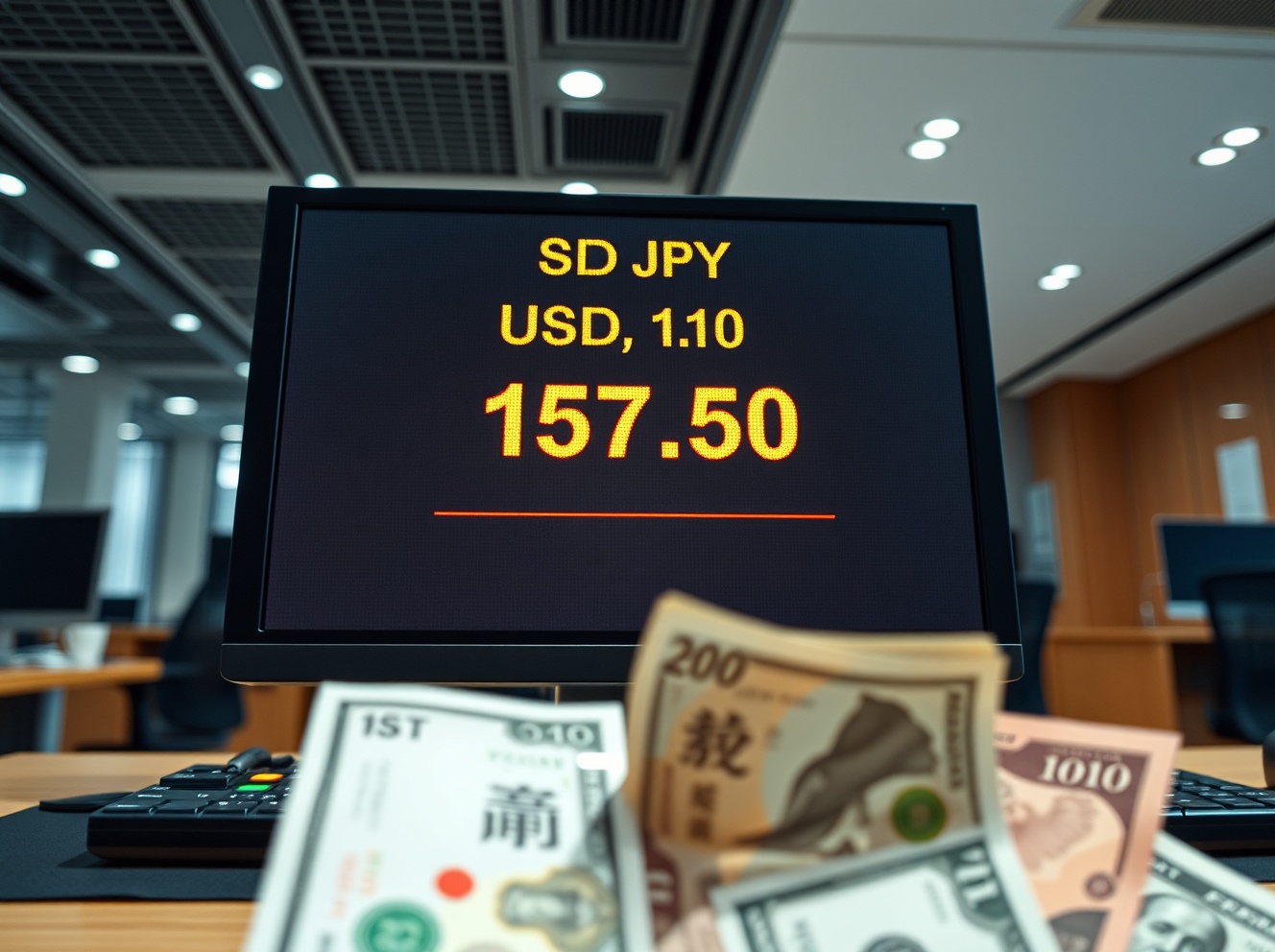 Japanese Yen Strengthens to Near 157.50 on Suspected US-Backed Intervention
The Japanese yen strengthened to near 157.50 against the US dollar on [Date], following reports of a coordinated intervention in the foreign exchange market, with US backing. The move marks a significant shift from recent weakness, as traders and analysts speculate that Japanese authorities, supported by the United States, stepped in to halt the yen’s rapid depreciation.
What Triggered the Yen’s Sudden Strength?
The yen’s sharp appreciation comes after weeks of sustained selling pressure, driven by the wide interest rate differential between Japan and the United States. On [Date], the USD/JPY pair dropped from levels above 158.00 to near 157.50 in a matter of minutes, a move that many market participants attribute to official intervention.
Reports from Japanese media and trader chatter suggest that the Bank of Japan, acting on behalf of the Ministry of Finance, conducted a rare intervention, possibly with the tacit approval of the US Treasury. Such a move would mark a notable policy shift, as Washington has historically been cautious about endorsing currency intervention by its allies.
Why US Backing Matters
The involvement of the US is significant because it signals a coordinated effort to stabilize the yen, which has been a source of global financial concern. A weaker yen inflates import costs for Japan, straining households and businesses, and can also create competitive advantages that draw criticism from trading partners.
US backing could also reflect a broader concern about the stability of global financial markets, as rapid currency moves can disrupt trade flows and investment decisions. Analysts suggest that the US may have agreed to support Japan’s intervention to prevent excessive volatility, which could spill over into other asset classes.
The immediate market reaction was a sharp rally in the yen, which also triggered a sell-off in Japanese equities as exporters faced a stronger domestic currency. The Nikkei 225 index fell by [X]% in early trading, while the broader Topix index also declined.
Currency traders reported heavy volumes and volatile conditions, with the intervention suspected to have occurred during a period of thin liquidity, amplifying its effect. The yen’s move also pressured other currencies, as investors adjusted their positions in anticipation of further official action.
What Does This Mean for Traders and the Economy?
For traders, the intervention signals that Japanese authorities are willing to act decisively to defend the yen, which could set a floor under the currency in the near term. However, the effectiveness of intervention is often limited, and the yen could resume its decline if the fundamental drivers—such as the US-Japan rate differential—remain unchanged.
For the broader economy, a stronger yen could ease import price pressures, potentially helping to slow inflation in Japan. It could also improve consumer purchasing power, though it may hurt the competitiveness of Japanese exporters and corporate profits.
Conclusion
The yen’s move to near 157.50 on suspected US-backed intervention marks a critical juncture for Japan’s currency policy. While the intervention provides temporary relief, its long-term success will depend on sustained coordination and a shift in the underlying economic fundamentals. As of now, the market remains on high alert for further official action, and traders should closely monitor any statements from the Ministry of Finance and the Bank of Japan.
FAQs
Q1: What is currency intervention and how does it work?Currency intervention occurs when a central bank or finance ministry buys or sells its own currency to influence its exchange rate. In this case, the Bank of Japan likely sold US dollars and bought yen to strengthen the yen.
Q2: Why is the US backing Japan’s intervention significant?US backing is significant because it signals a coordinated international effort to stabilize the yen. Historically, the US has been reluctant to support currency intervention, so its involvement suggests heightened concern about global financial stability.
Q3: How long can the yen’s strength last?The yen’s strength may be temporary if the fundamental drivers, such as the interest rate gap between Japan and the US, remain unchanged. Sustained strength would require policy changes or a shift in global market conditions.
This post Japanese Yen Strengthens to Near 157.50 on Suspected US-Backed Intervention first appeared on BitcoinWorld.