BitcoinWorld KOSPI Plunge Triggers Sell-Side Sidecar: What Investors Need to Know South Korea’s benchmark KOSPI index experienced a sharp decline today, prompting the Korea Exchange (KRX) to
BitcoinWorld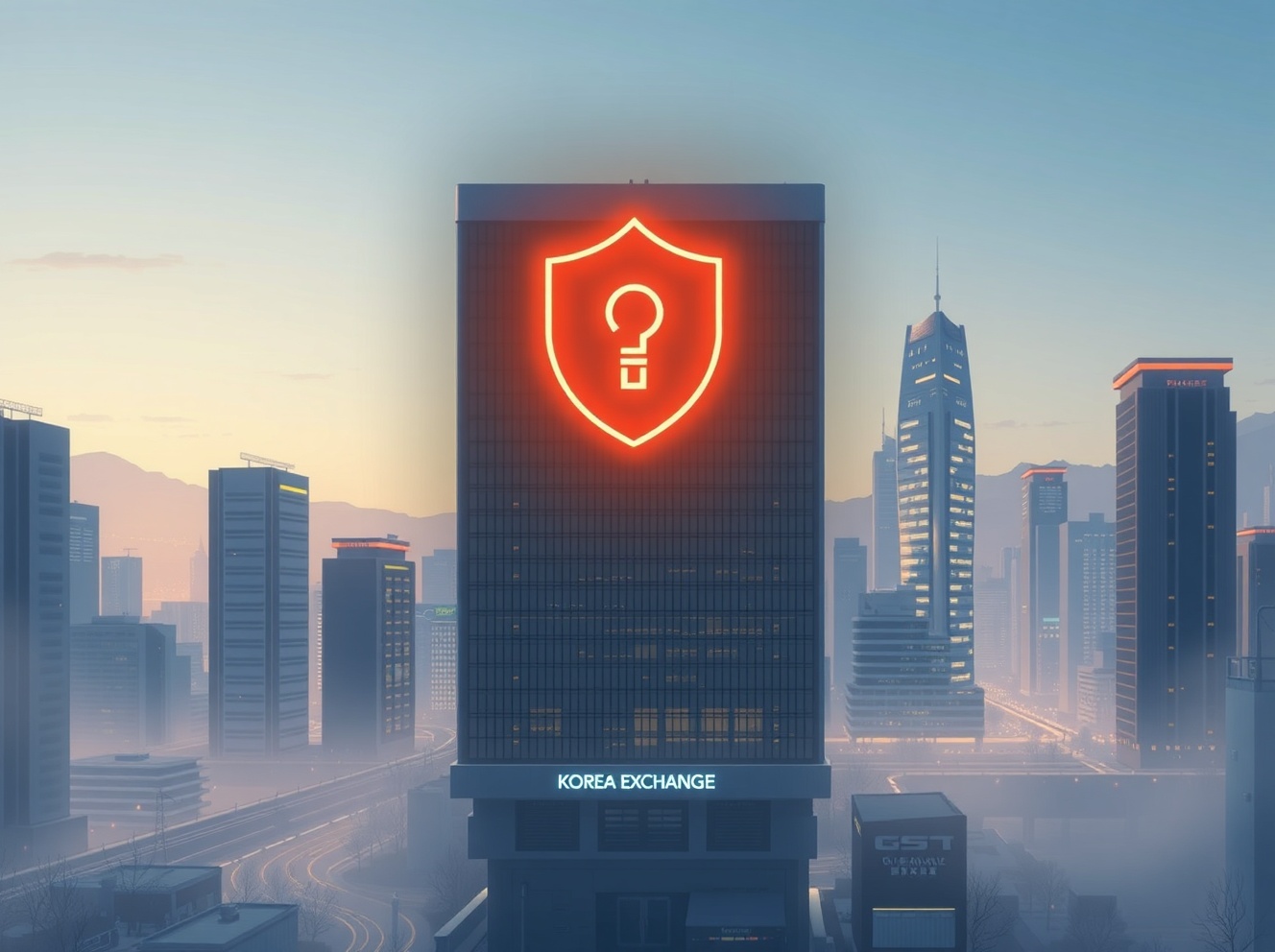 KOSPI Plunge Triggers Sell-Side Sidecar: What Investors Need to Know
South Korea’s benchmark KOSPI index experienced a sharp decline today, prompting the Korea Exchange (KRX) to activate a sell-side sidecar—a temporary circuit breaker designed to curb excessive selling pressure. The move comes as global market uncertainties and domestic economic concerns weigh heavily on investor sentiment.
What Is a Sell-Side Sidecar?
A sell-side sidecar is a short-term trading halt mechanism triggered when KOSPI futures fall more than 5% for at least one minute during regular trading hours. Once activated, program trading—automated, large-scale buying and selling by institutions—is suspended for five minutes. This pause allows the market to absorb sudden shocks and prevents cascading sell-offs driven by algorithmic trading.
The KRX last triggered a sell-side sidecar during periods of extreme volatility, including the 2020 pandemic-driven crash and recent geopolitical tensions. Today’s activation signals a significant level of market stress.
Market Context and Triggers
The KOSPI’s decline today follows a confluence of negative factors: persistent inflation concerns, slowing export growth in key sectors like semiconductors, and renewed jitters over global interest rate policies. Additionally, foreign investors have been net sellers of Korean equities in recent sessions, adding downward pressure.
Analysts point to the lack of clear catalysts for a rebound, with many advising caution until the market stabilizes. The sidecar activation itself, while a temporary measure, often amplifies anxiety among retail investors who interpret it as a sign of deeper trouble.
Impact on Investors and Trading
For individual investors, the sidecar means a brief pause in program trading, but regular manual trading continues unaffected. However, the psychological impact can be significant. Retail investors, who account for a substantial portion of daily KOSPI volume, may rush to exit positions, exacerbating volatility once the sidecar lifts.
Institutional investors, meanwhile, are likely to reassess their strategies. The five-minute halt provides a window for market participants to digest information and adjust orders, potentially reducing panic-driven decisions.
Historical Precedents and Outlook
Historically, sidecar activations have been followed by continued volatility in the short term, but they rarely signal a prolonged bear market on their own. The KRX’s circuit breaker system—including sidecars and wider market-wide trading halts—is designed to prevent disorderly markets, not to reverse trends.
Looking ahead, market attention will focus on the Bank of Korea’s next policy decision, corporate earnings reports, and global economic data. Until clearer signals emerge, the KOSPI is likely to remain sensitive to external shocks.
Conclusion
The activation of a sell-side sidecar on the KOSPI is a significant but not unprecedented event. It reflects acute selling pressure and heightened uncertainty, but also demonstrates the market’s built-in safeguards against uncontrolled declines. Investors should focus on fundamentals, avoid knee-jerk reactions, and monitor developments closely as the situation evolves.
FAQs
Q1: What exactly triggers a sell-side sidecar on the KOSPI?The sidecar is triggered when KOSPI 200 futures fall more than 5% from the previous day’s closing price for at least one minute during regular trading hours. This automatically halts program trading for five minutes.
Q2: Does a sidecar halt all trading?No. Only program trading—automated, large-scale orders by institutions—is suspended. Regular manual trading by individual and institutional investors continues normally during the halt.
Q3: How often does the Korea Exchange trigger a sidecar?Sidecar activations are rare and occur only during periods of extreme volatility. Recent instances include the 2020 COVID-19 crash and select geopolitical events. They are not a routine occurrence.
Q4: Should retail investors panic when a sidecar is triggered?No. The sidecar is a protective measure designed to prevent panic-driven crashes. Retail investors should remain calm, avoid impulsive trades, and base decisions on long-term fundamentals rather than short-term market noise.
This post KOSPI Plunge Triggers Sell-Side Sidecar: What Investors Need to Know first appeared on BitcoinWorld.