BitcoinWorld KOSPI Triggers Sell-Side Sidecar for Second Straight Day as Market Rout Deepens South Korea’s benchmark KOSPI index triggered a sell-side sidecar for the second consecutive tradi
BitcoinWorld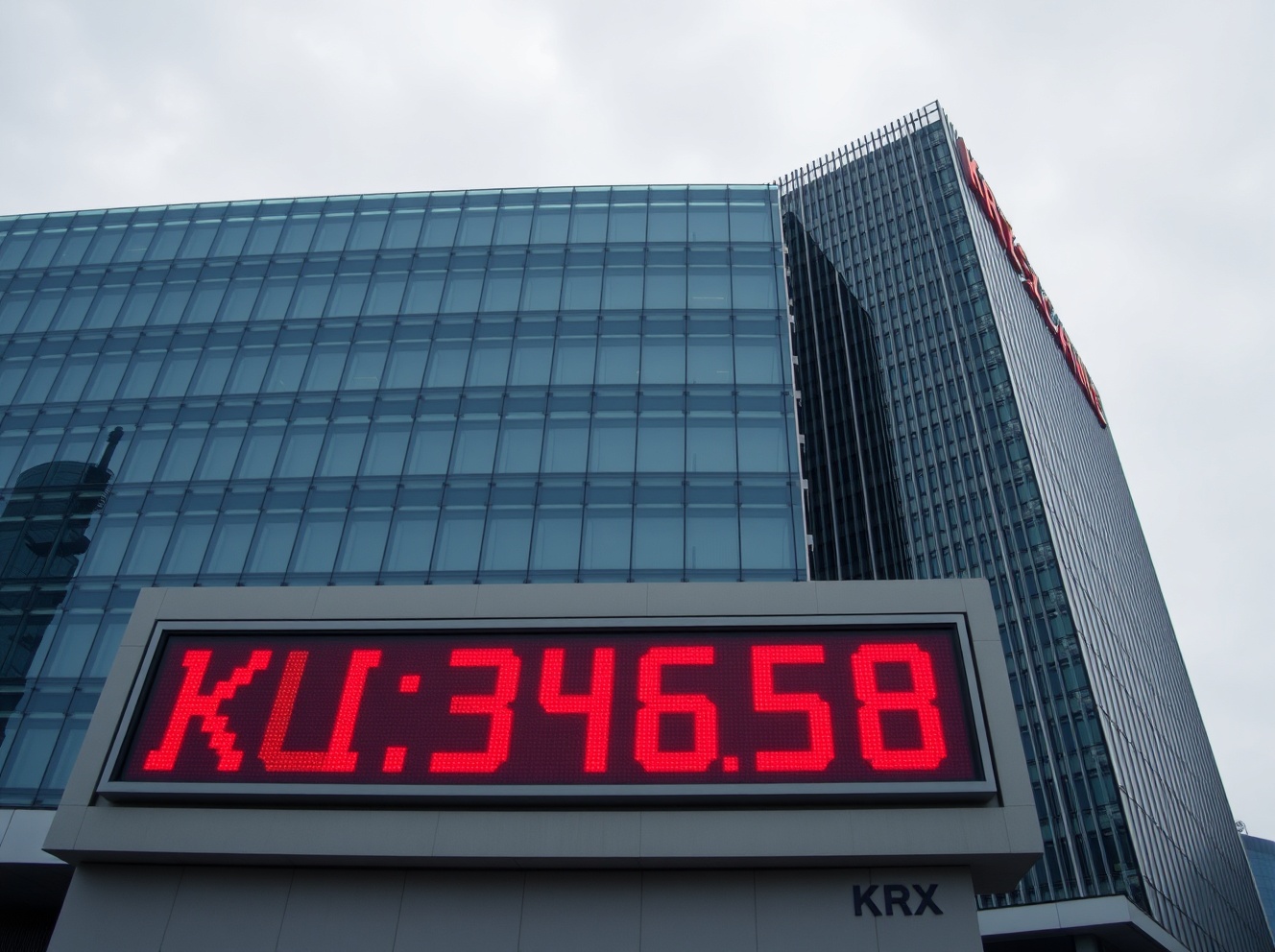 KOSPI Triggers Sell-Side Sidecar for Second Straight Day as Market Rout Deepens
South Korea’s benchmark KOSPI index triggered a sell-side sidecar for the second consecutive trading day on Thursday, as a sharp selloff in program trading prompted an automatic halt in sell orders. The sidecar, a circuit breaker mechanism designed to curb excessive volatility, was activated in the final minutes of trading, reflecting sustained selling pressure across large-cap stocks.
What Is a Sell-Side Sidecar?
A sell-side sidecar temporarily suspends program sell orders on the KOSPI when the index falls more than 3% from the previous day’s close within a single trading session. The halt lasts for five minutes, during which only buy orders and non-program sell orders are permitted. The measure is intended to give the market a brief cooling-off period and prevent panic-driven cascades.
The Korea Exchange (KRX) activates the sidecar separately for the KOSPI and KOSDAQ markets. Thursday’s activation marked the second consecutive day the mechanism was triggered, following a similar event on Wednesday. Such back-to-back triggers are rare and underscore the intensity of the current selloff.
Market Context and Triggers
The recent decline in the KOSPI has been driven by a combination of global and domestic factors. Persistent concerns over U.S. interest rate policy, a stronger dollar, and geopolitical uncertainties have weighed on investor sentiment. Domestically, weak export data and profit-taking in heavyweight technology and semiconductor stocks have added to the downward pressure.
Foreign investors have been net sellers in recent sessions, while institutional and retail investors have shown mixed responses. The consecutive sidecar activations signal that program selling, often executed by algorithmic and institutional traders, has dominated the market’s direction.
Implications for Investors
For individual investors, the sidecar provides a brief window to assess market conditions without the added pressure of automated sell orders. However, it does not prevent the index from resuming its decline once the halt is lifted. The consecutive triggers suggest that the market may be experiencing a structural correction rather than a short-term fluctuation.
Traders should monitor the KRX’s next steps. If volatility persists, the exchange may consider broader measures, such as a full trading halt or adjustments to the sidecar threshold. Historically, the sidecar has been an effective short-term stabilizer, but its repeated activation can also signal deeper underlying weakness.
Conclusion
The back-to-back activation of the KOSPI sell-side sidecar is a clear indicator of heightened market stress. While the mechanism provides temporary relief from program-driven selling, the underlying factors driving the decline remain unresolved. Investors should remain cautious and focus on fundamentally sound positions as the market searches for a bottom.
FAQs
Q1: What exactly is a sell-side sidecar?A sell-side sidecar is a temporary halt on program sell orders triggered when the KOSPI falls more than 3% from the previous close. It lasts five minutes and allows only buy orders and non-program sell orders to proceed.
Q2: How often has the sidecar been triggered in the past?The sidecar is relatively rare. Consecutive daily triggers, as seen this week, are uncommon and indicate sustained selling pressure. The last similar occurrence was during the 2020 market volatility.
Q3: Does the sidecar prevent further losses?No. The sidecar is a temporary pause, not a permanent stop. Once lifted, the index can continue to decline. Its purpose is to reduce panic and give traders time to assess information.
This post KOSPI Triggers Sell-Side Sidecar for Second Straight Day as Market Rout Deepens first appeared on BitcoinWorld.