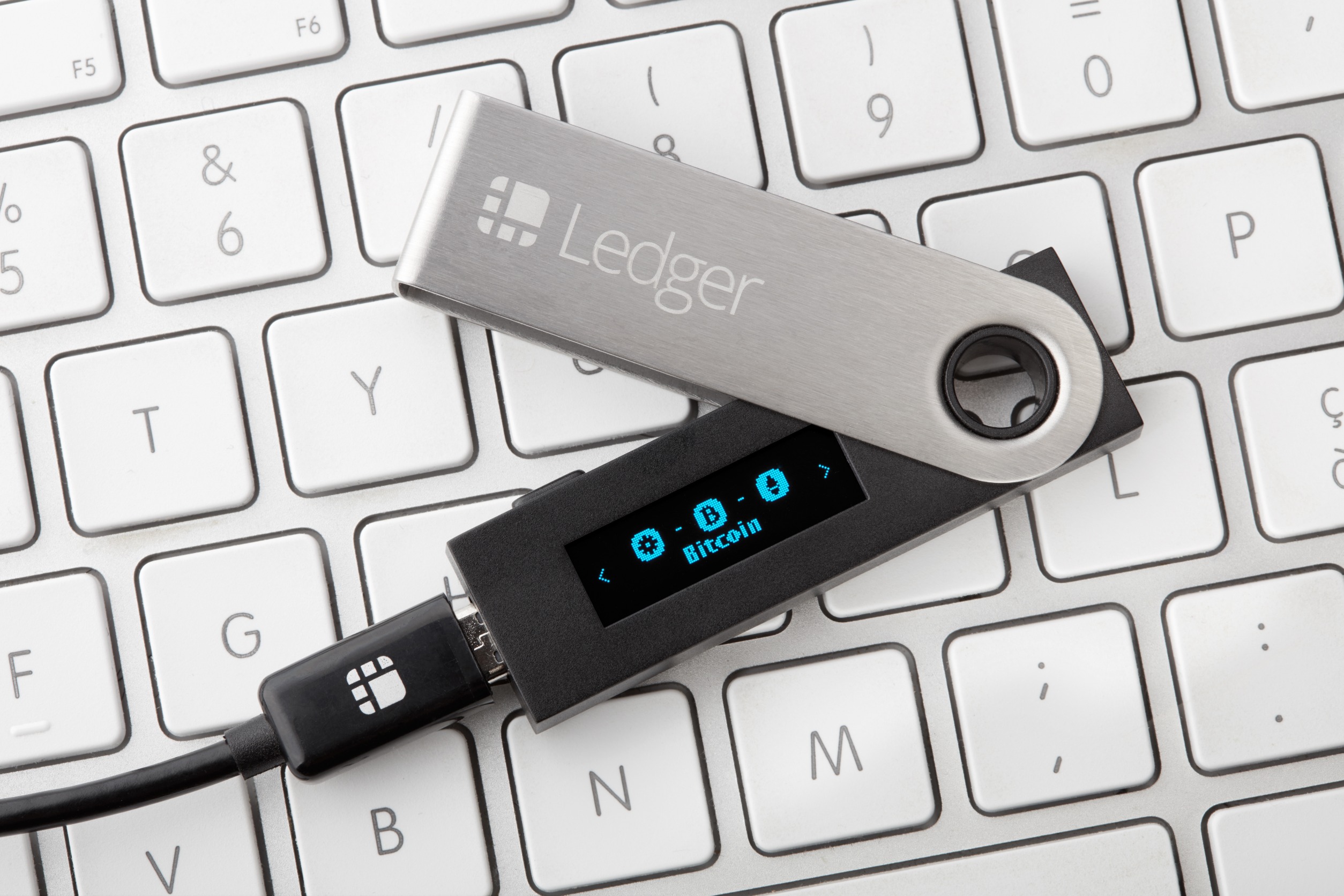
Over the weekend, Ledger wallet confirmed that one device linked to the CryptoBilis investigation contained an unauthorized hardware implant, while blockchain analytics firm Bitquery’s latest
Over the weekend, Ledger wallet confirmed that one device linked to the CryptoBilis investigation contained an unauthorized hardware implant, while blockchain analytics firm Bitquery’s latest update estimated $93.2M in crypto losses from 315 wallets across six chains.
The on-chain estimate is not a Ledger-confirmed total, and the device finding does not establish that the implant caused every reported drain or validate claims of a wider European compromise.
The confirmed tampering raises a hardware-wallet security and device-provenance concern, but the incident’s scope and attack path remain unresolved. As in other wallet-related security cases, the distinction between a verified technical finding and broader claims matters: unauthorized third-party access to wallet software presents a different risk from physical interference with a device.
Reports initially concerned customers in Indonesia, Malaysia, and the Philippines who bought devices through CryptoBilis. Ledger said it had contacted affected users and begun working with authorities, and that it had no indication its infrastructure, systems, or services had been compromised.
Ledger also asked CryptoBilis to stop sales of hardware-wallet inventory while the investigation continued. The available reporting connects the affected purchases to the reseller, but does not establish who installed the implant or where in the supply chain the device was altered.
What Did the Ledger Wallet Implant Examination Find?
Ledger examined a device from an impacted user and discovered an unauthorized hardware implant, confirming tampering in that case. However, it’s unclear how many other devices might be affected or if this explains all reported wallet drains.
Hardware wallets protect transaction credentials from online threats, but if compromised, attackers could authorize transactions without the owner’s consent.
Bitquery traced transfers across blockchains, noting that 25 TRON wallets approved the same transaction within three seconds and observed test activity over the two weeks before significant fund drains. While these patterns map fund movements, they don’t clarify how the keys were compromised.
The implant raises questions about its role in the thefts, but Ledger hasn’t proven it caused all losses, and the implant’s origin remains unknown.
This situation underscores the risks of self-custody and the importance of securing wallet credentials and trusting the hardware and software used to safeguard them.
Crypto Expert Report: What Are the 10 Next Crypto to Explode in 2026?
Loss Estimates and the European Claim Remain Unconfirmed
The loss figure has grown as analysts expanded their on-chain attribution. The primary report cited an earlier Bitquery estimate near $93M across 311 wallets on five chains; Bitquery’s later update, dated October 11, put the estimate at $93.2M across 315 wallets on six chains.
Earlier reports cited suspected losses above $80M or $86M, reflecting narrower or earlier estimates. These figures reflect investigators’ analysis of blockchain activity, not a final accounting from the Ledger wallet, and the company has not confirmed the total loss or the number of affected customers.
A separate claim circulated on X that a Ledger device purchased through MediaMarkt in Europe showed signs of possible hardware manipulation. Ledger has not confirmed that the device is compromised, and observers disagreed over whether the published images showed an implant or even a genuine Ledger board.
The primary report described MediaMarkt as an official Ledger reseller in several European markets, including Germany and Austria. That status does not verify the specific allegation, establish that the device was altered, or demonstrate that a compromise has spread beyond the CryptoBilis-linked cases.
Supply-Chain Exposure is the Broader Security Issue
The confirmed implant makes device handling and provenance a material concern for hardware-wallet security. A reseller relationship can place more parties between the manufacturer and the end user.
However, the evidence in this case does not show that CryptoBilis or any of its employees installed the component, nor does it establish a network-wide problem affecting Ledger’s reseller channel.
Bitquery reported that Tether froze $10.0M and that $5.35M in USDC was held in wallets that Circle could freeze. Those are on-chain investigation findings about efforts to restrict some funds, not evidence that the broader losses have been recovered or that the cause of the drains is settled.
For Ledger, the immediate distinction is between its reported lack of evidence of a compromise to its own infrastructure and the confirmed tampering found in one user’s device.
For the wider self-custody market, the incident keeps supply-chain risk in focus while leaving the number of affected devices, the mechanism behind the drains, and the final crypto losses open questions.
Crypto Expert Report: Follow The Money – Which Presales Are Attracting Crypto Whales in 2026?
The post Ledger Wallet Security Questions Grow After Confirmed Device Implant appeared first on Tokenist.

 As the investigation continues, we are working with relevant authorities. The volume of impacted devices is limited. We know this is concerning, especially for those directly affected, and we are reaching out to impacted users.…
 X user Johannes (4, 4) says he found a hardware implant in a Ledger Nano X he recently bought at MediaMarkt. He says it passed Ledger's checks, but his funds weren't touched.Ledger says all confirmed cases so far are…