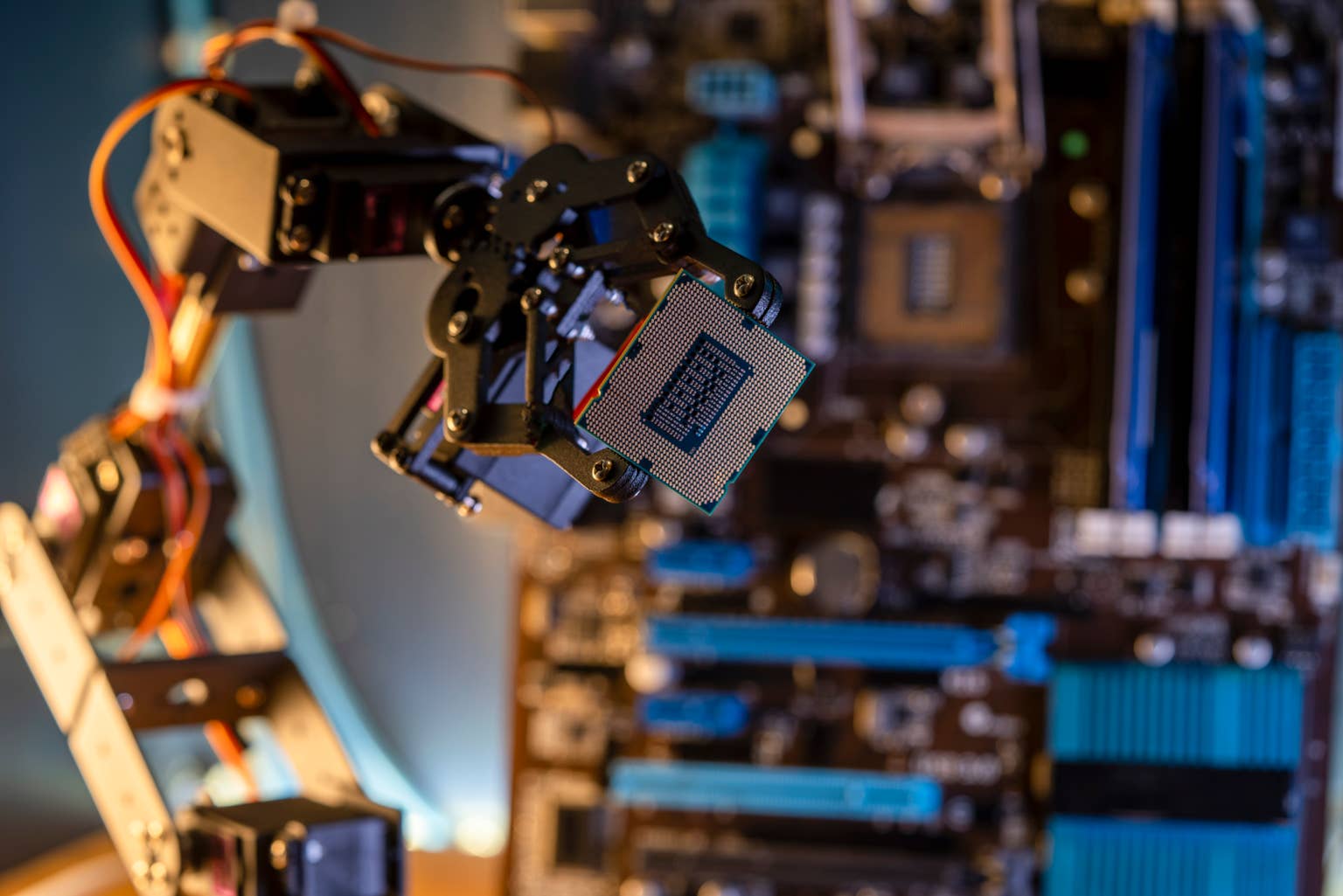
Artificial intelligence is sucking in capital at a pace never seen before. The five biggest U.S. hyperscalers, namely Amazon, Alphabet, Meta, Microsoft and Oracle, are expected to spend rough
Artificial intelligence is sucking in capital at a pace never seen before.
The five biggest U.S. hyperscalers, namely Amazon, Alphabet, Meta, Microsoft and Oracle, are expected to spend roughly $720 billion on AI infrastructure in 2026. Chip companies are booked out for years, and even Bitcoin (BTC) miners are pivoting to AI compute.
But former Goldman Sachs executive and Real Vision CEO Raoul Pal isn't convinced it's the best place to put your money.
Related: Veteran fund manager says Bitcoin looks like Google in 2017
A 'superior' bet than AI
Speaking in a recent interview with Kevin Follonier, Pal conceded that competing with chip companies and hyperscalers is nearly impossible for ordinary investors, calling them "the single most important part of the units of energy into units of intelligence process."
He noted that demand for chips and compute has reached unprecedented levels, with companies booked out three years in advance.
Still, Pal argued that retail investors are better positioned in crypto.
"I still think the crypto bet is one of the superior bets in the space. It just doesn't feel like it right now," he said.
Pal believes crypto will outperform on a risk-adjusted basis.
"You'll end up over an extended period of time making more money out of crypto than you will out of the bigger hyperscalers," he said.
Unlike the dot-com era, today's AI buildout is being funded by cash flow rather than debt, which Pal said makes it structurally durable, but it also leaves limited upside for late entrants.
More News:
Crypto's 'infinite TAM'
Pal's bullish crypto thesis hinges on the rise of AI agents as economic actors. He argues that agents will use crypto wallets, transact on blockchain rails, and build their own businesses, expanding crypto's total addressable market beyond humans alone.
"Crypto has an infinite TAM," Pal said. "The total addressable market is all of the agents."
He pointed to Metcalfe's law, which holds that a network's value grows exponentially with its users, as the underlying math driving crypto's long-term trajectory toward a $100 trillion market cap.
He also cited ongoing currency debasement, arguing that governments will keep printing money until debt-to-GDP ratios collapse, making scarce digital assets a natural hedge.
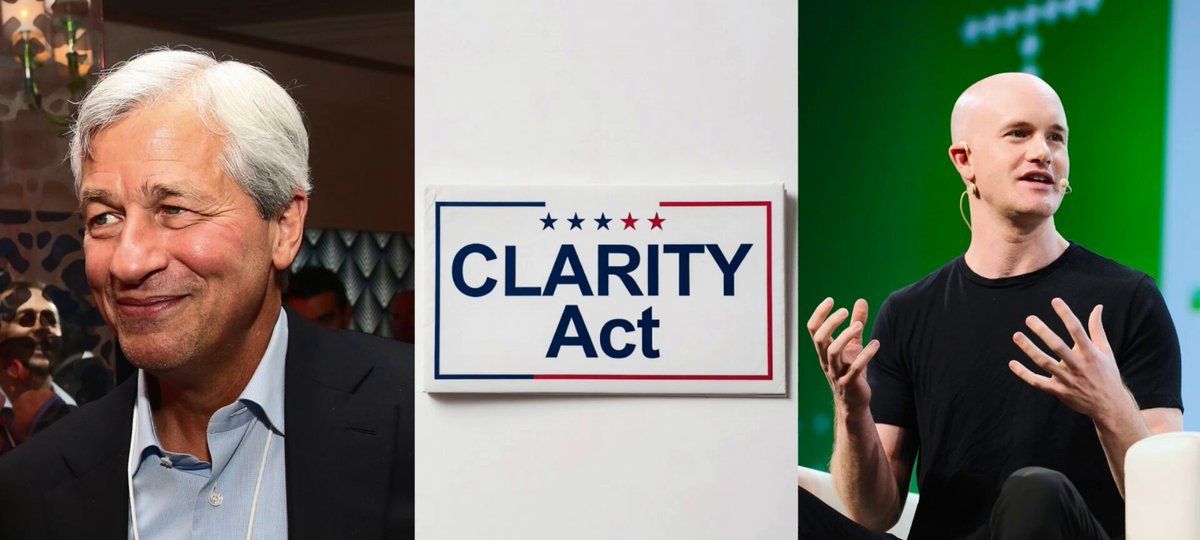
The recent passage of the Clarity Act, which establishes clearer regulatory jurisdiction over digital assets, removes a major overhang that has long deterred institutional capital.
Moreover, the migration of traditional finance onto blockchain rails, from stablecoin settlement to tokenized treasuries, gives retail investors a rare chance to "front-run the institutions" before the rails become the default.
When asked about Bitcoin's slide from $126,000 to $60,000, Pal dismissed bear-market fears, calling it a "nasty correction in a bull market" and noting that global liquidity is now accelerating again.
Related: Bitcoin commoditized energy. Can crypto commoditize AI?