Made in USA Inc. is turning to the XRP Ledger to develop a digital verification platform aimed at improving transparency across American supply chains, according to a filing with the U.S. Sec
Made in USA Inc. is turning to the XRP Ledger to develop a digital verification platform aimed at improving transparency across American supply chains, according to a filing with the U.S. Securities and Exchange Commission.
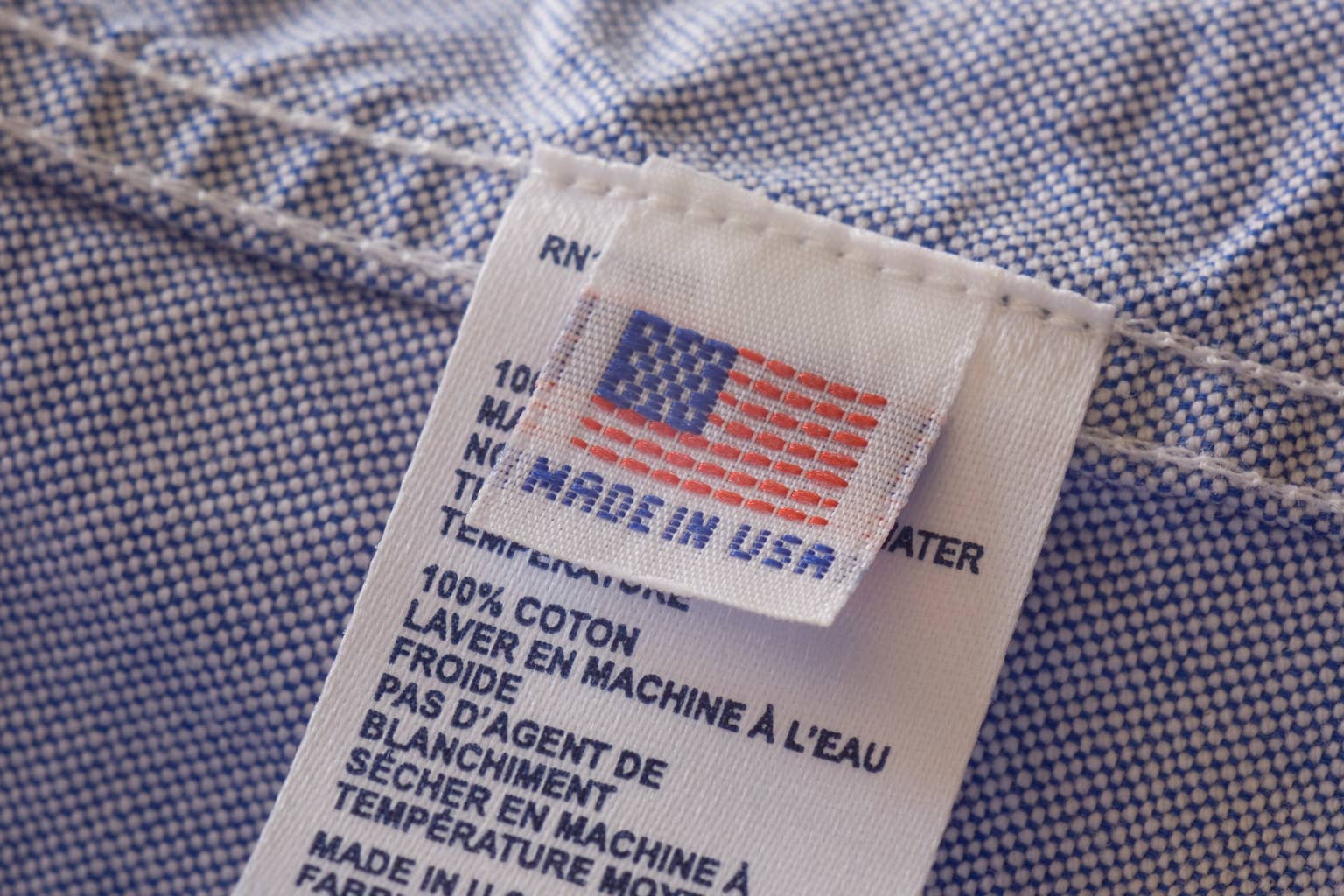
The company plans to use blockchain infrastructure to help verify product origin, strengthen trust in "Made in USA" claims, and tackle the growing problem of counterfeit goods.
In a Form 8-K dated June 26, the company said it acquired the platform's technology stack, built on public and private XRPL as well as Hyperledger frameworks, from an affiliate, Made in USA One LLC, in an all-stock transaction worth about $25 million, or 5 million restricted shares. The platform is still in development.
Related: Ripple CEO Brad Garlinghouse has a blunt message for Michael Saylor
XRPL to support verification of American-made products
Made in USA Inc. focuses on digital product certification, origin verification, and authenticity solutions for goods produced in the United States. Its planned platform is intended to give manufacturers, distributors, retailers, and consumers a clearer way to confirm whether products labeled "Made in USA" are genuinely traceable to American supply chains.
The initiative targets a major issue for global trade: counterfeiting. Fake products create significant economic losses and undermine consumer confidence. The OECD has estimated that counterfeit trade accounts for around $467 billion annually, roughly 2.3% of global imports.
To address this, Made in USA Inc. plans to combine AI-driven verification tools with blockchain-based recordkeeping on the XRP Ledger. The platform is expected to let companies register product information, verify origin data, and store supply-chain records in a way that resists manipulation.
A key part of the system is its hybrid blockchain structure. Sensitive business information can remain within private networks, while selected proof points, authenticity records, or cryptographic checksums are anchored to a public blockchain. That model is designed to preserve confidentiality while still enabling independent verification.
For manufacturers, the platform could simplify compliance, reduce exposure to counterfeiting, and give customers greater confidence that products marketed as American-made are authentic and properly documented.
The project also reflects the expanding role of the XRP Ledger beyond payments and cross-border settlement. Long associated with financial transactions, XRPL is increasingly being pitched as a trust layer for enterprise applications. If Made in USA Inc. succeeds with its rollout, similar companies could look to the ledger for supply-chain authentication and digital certification.
Trending on TheStreet Roundtable
XRP ledger gains momentum as an enterprise blockchain
The announcement comes as more companies explore the XRP Ledger for business-focused blockchain applications. Ripple has reported strong growth in tokenized assets on XRPL, with volumes rising sharply through 2025. Tokenized asset volume on the network climbed from $24.7 million to $568 million by the end of 2025, growth of about 2,200%. Ripple's RLUSD stablecoin, launched in December 2024, has become a key part of that ecosystem.
Other stablecoins, including USDC, XSGD, and EURØP, have also launched on the XRP Ledger. XSGD is pegged to the Singapore dollar, while EURØP is a MiCA-compliant euro stablecoin built for payments, tokenization, and digital-asset trading.
The XRPL EVM Sidechain, which went live on mainnet in June 2025, marked another step for the ecosystem.
Ripple said more than 1,400 smart contracts were deployed in the sidechain's first week, extending XRPL into smart contracts and decentralized applications. Investor interest has grown too: spot XRP ETFs, launched in November, have reportedly attracted more than $1 billion in inflows, with some reports putting the figure near $1.49 billion.
Together, these developments show Ripple's effort to position XRPL and RLUSD as a more diversified blockchain ecosystem, moving beyond cross-border payments into tokenization, stablecoins, smart contracts, and enterprise verification. Ripple's recent full MiCA license, covering all 30 countries of the European Economic Area, reinforces that push by letting the company offer regulated payment and crypto services across the region.