Artificial intelligence (AI) has become as much an expenditure story as a technology story. Gartner expects worldwide AI spending to rise 49.5% in 2026 to about $2.7 trillion, driven largely
Artificial intelligence (AI) has become as much an expenditure story as a technology story. Gartner expects worldwide AI spending to rise 49.5% in 2026 to about $2.7 trillion, driven largely by infrastructure, software and services.
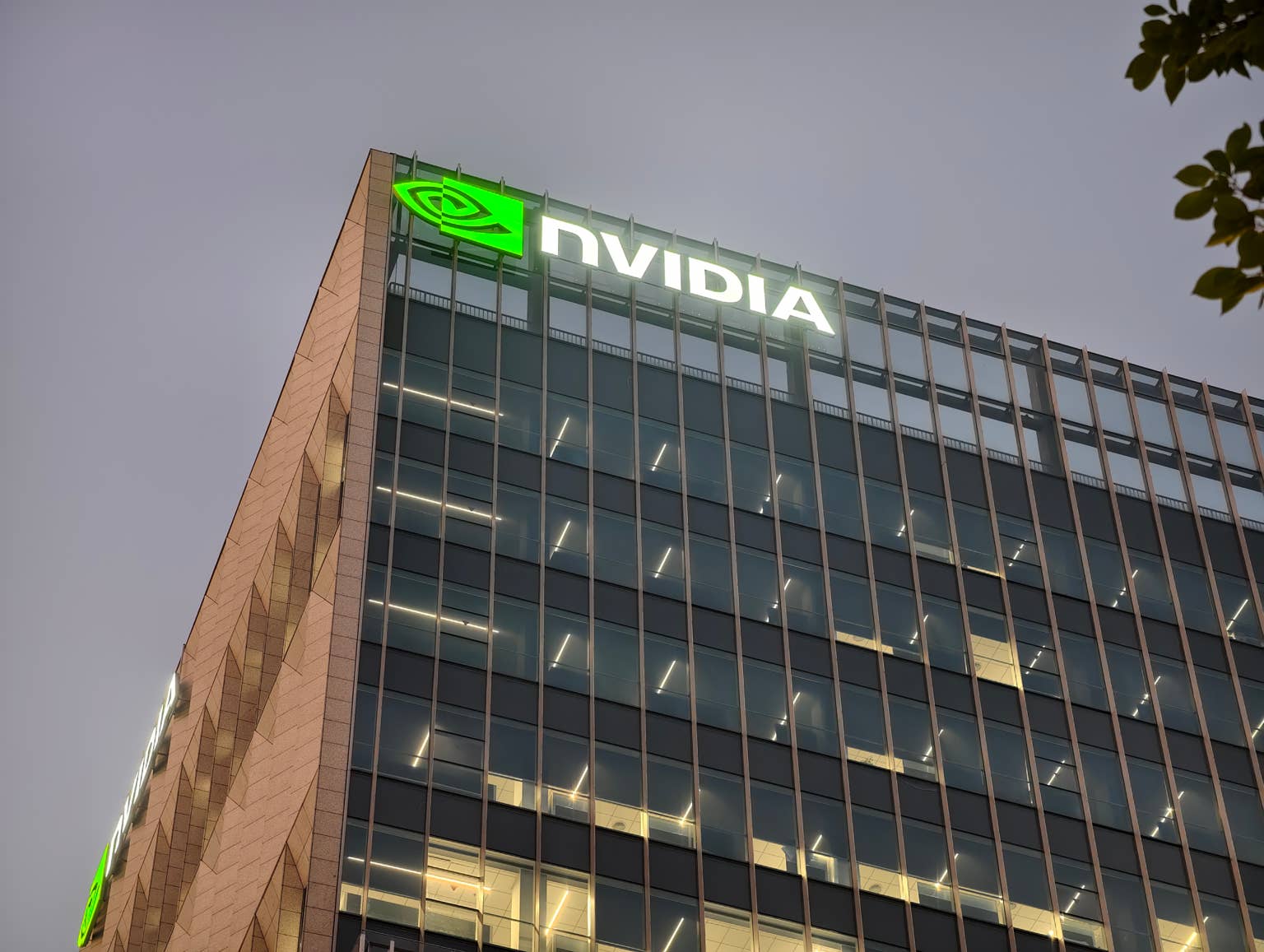
AI-focused spending has shaped the next leg of international markets in recent years. NVIDIA's August outlook helped lift chipmakers and AI cloud stocks after the company signaled that demand for AI infrastructure could remain strong for longer.
The spending, however, does not end once an AI model is trained. Inference, the computing used when a model answers questions or performs tasks, creates an ongoing need for processing power.
NVIDIA remains dominant, but AMD, Intel, Google, and Amazon are all competing for parts of that market.
Related: Musk's Tesla jumps 32 spots on the Roundtable 100 after 'flying car' reveal
Tether backs Tenstorrent’s $1.5 billion round
In a fresh development, Tether, one of the world’s largest holders of gold and Bitcoin, has decided to put money behind another NVIDIA challenger: Tenstorrent.
Tether,the issuer of the world's largest USDT stablecoin, said on Oct. 20 that it participated in Tenstorrent’s $1.5 billion Series Efunding round, which closed a day earlier taking the company's post-money valuation to $6.2 billion.
Trace Capital and Innovation X led the round. Cathie Wood's ARK Invest, Fidelity, Morgan Stanley and Sandisk were other participants in contributing to the fresh round of investment. Tether did not disclose the size of its investment or its resulting stake.
Led by veteran chip designer Jim Keller, Tenstorrent builds AI processors, workstations, servers and software for companies across industries. It also licenses chip technology to companies designing their own silicon, including Samsung and LG.
Tether framed the investment as an attempt to reduce dependence on a small number of AI infrastructure providers.
“AI should be something people can build, run and control themselves, without having to rely on a handful of companies for the computing power behind it,” Tether CEO Paolo Ardoino said.
Tenstorrent plans to use the capital towards expanding the deployment of its Galaxy server systems, advance its AI and CPU technology, and grow its commercial operations globally.
Popular on TheStreet Roundtable:
Tether moves deeper into AI hardware
The AI market stretches across models, cloud infrastructure and chips.
Training involves building models using large datasets, while inference is what happens when those trained models are actually used. NVIDIA remains the dominant supplier for advanced AI training, while inference has become a more competitive market.
Tenstorrent is a notably smaller player compared to NVIDIA. It primarily focuses on inference systems and chip-design licensing rather than trying to match NVIDIA's grip across the entire market.
For the USDT issuer, this investment is not its first move into AI. The company is working on QVAC, an open-source, decentralized platform designed to run AI directly on users’ devices, alongside investments in robotics and AI-powered payments.
Tether's solid balance sheet, backed by 146 metric tons of gold and 98,933 Bitcoin, makes its investment into Tenstorrent rather strategic.
Tether says its goal is to make AI infrastructure more open and accessible.
As of June 30, most of Tether's reserve base remained in U.S. government-backed instruments and short-term liquidity instruments.
Tether reported $187.75 billion in assets against $183.64 billion in liabilities in June, leaving about $4.11 billion in excess reserves.
Related: Billionaire who called 1987 crash predicts brutal 2027 for stocks