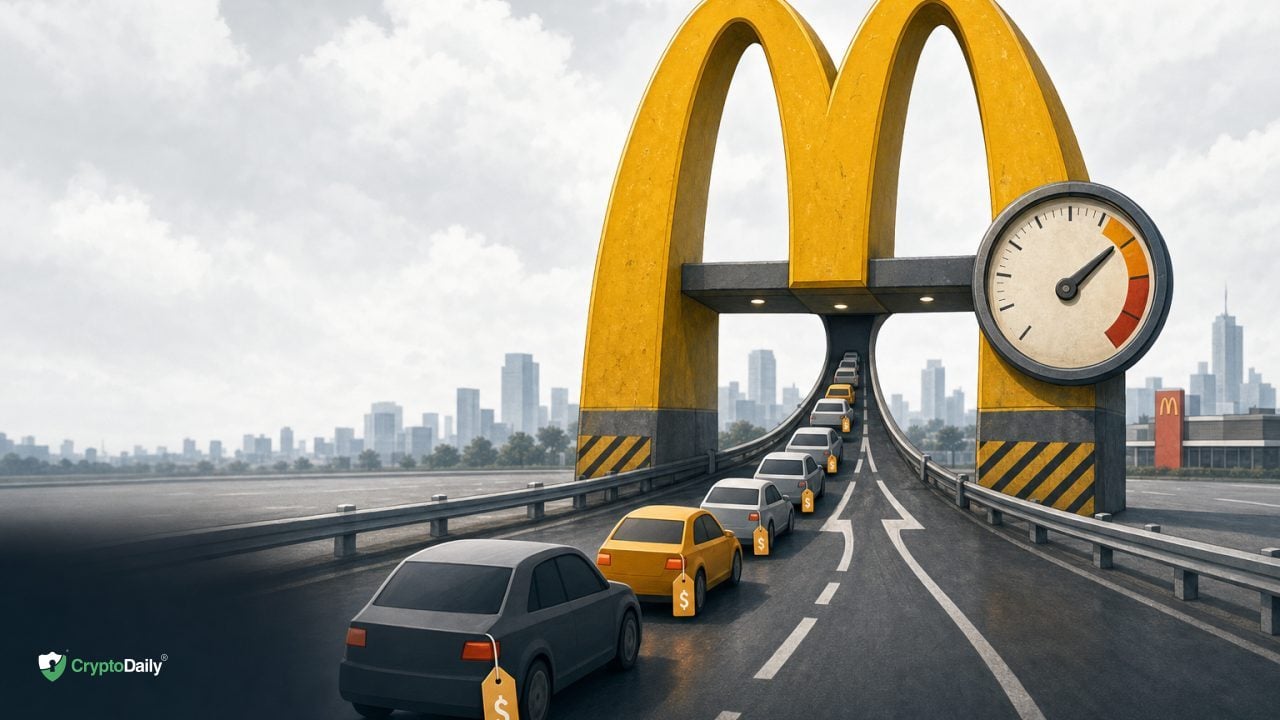
McDonald’s reports soon, and the market is trying to answer a simple question: can value drive traffic without punching a hole in margins. Cheap meals pull people in. But franchisees have to
McDonald’s reports soon, and the market is trying to answer a simple question: can value drive traffic without punching a hole in margins. Cheap meals pull people in. But franchisees have to make money too. That balance is the whole story.
If you trade the print or just want to sanity check your expectations, this preview walks through the moving parts. We link the current promo slate to traffic, check size, and operating leverage, and highlight what could move the stock on the call.
No hype here. Just the plays, the risks, and where the consensus sits right now.
Aspect What to Know Consensus and guidance Q2 2026 street preview sits near $7.155B revenue and $3.35 EPS, with management reaffirming full year operating margin in the mid to high 40 percent range Hudson Labs (earnings preview). Value menu cadence Daily Double added to the McValue Meal from July 22 at $6 or $7 depending on location. The $5 Meal Deal remains live McDonald’s Corporate — Menu Spotter. Limited time offers Caesar Snack Wrap nationally advertised at $2.99 with a Caesar Sauce promo starting July 21. Pricing can vary by restaurant McDonald’s Corporate — Menu Spotter. Digital demand Free medium fries with a $1 purchase in the app every Friday through year end aims to build weekly habit and traffic McDonald’s Corporate — Menu Spotter. Traffic vs pricing Watch whether same store sales lean on transactions rather than just price mix. Value deals should tilt comps toward traffic if they are doing their job. Cost lines Commodity and wage trends frame flow through. Franchise model cushions company margins, but owner operators feel food and labor pressure on store P&Ls. FX and international Currency can swing reported revenue and margins. Check commentary on International Operated Markets vs licensed markets for read through.
McDonald’s makes most of its money from franchised restaurants. Think royalties on sales and rent on real estate. That model throws off high operating margins because the company is not directly bearing every store’s food and labor cost. Company operated restaurants still exist, but the franchise royalty and rent stream dominate the P&L.
Same store sales move the needle for both the company and franchisees. You can grow comps with pricing, with more transactions, or a mix of both. If value deals bring people in more often, you get higher traffic and maybe slightly smaller checks, but the brand keeps share and the system stays healthy. If you push price too hard, comps can look fine while visits slip. That is not a long term win.
Promotions are a scalpel, not a sledgehammer. The point of a $5 or $6 meal is to anchor value and restore a habit. The point of a $2.99 Snack Wrap is to create an easy add on. And the point of free fries with a small in app purchase is to train a weekly routine. The mix of those offers decides how much margin you give back for each point of traffic gained.
Heading into this print, the street is keyed in on that margin traffic trade. Consensus sits near $7.155B revenue and $3.35 EPS, with management previously guiding to operating margins in the mid to high 40s for the year Hudson Labs. The question is how sticky the traffic from value is, and whether franchisees feel supported.
Glossary in plain English
- Same store sales (SSS): Growth from locations open at least a year. Filters out new unit openings.
- Traffic: Number of transactions. The visit count that underpins comps.
- Average check: Dollars per transaction. Moves with pricing and mix.
- Operating margin: Profit after operating costs divided by revenue. Higher in franchise heavy models.
- Flow through: How much of a sales change shows up in profit. Depends on fixed versus variable costs.
- FX: Foreign exchange. Currency swings that change reported results.
Step-by-Step Playbook
- Map the promo calendar to the quarter. Layer the $5 Meal Deal, the Daily Double at $6 or $7 starting July 22, and the July 21 Caesar Snack Wrap push to see what actually lands in Q2 versus Q3 timing McDonald’s Corporate — Menu Spotter.
- Separate traffic from price in your comp math. Build two columns. If transactions are positive and price mix flat, value did its job. If price carries comps while traffic lags, that is a yellow flag.
- Watch the digital cadence. The free Friday fries for a $1 app purchase aims to create a weekly visit. Check for any commentary that app offers are lifting repeat rates or incremental items Corporate — Menu Spotter.
- Anchor on margin guidance. Management has talked about mid to high 40s operating margins for 2026. If that range holds with heavier value activity, it says a lot about franchise health and corporate leverage Hudson Labs.
- Disaggregate the segments. U.S. trends can diverge from International Operated Markets or licensed regions. FX can mask underlying strength or weakness. Focus on constant currency comps and traffic.
- Listen for franchisee sentiment. Are owner operators leaning in to these deals. If you hear stress on unit economics, margin sustainability gets harder.
- Stress test flow through. Ask what happens if beef or wage inflation ticks up again. A one point hit to restaurant level margin can swamp a small traffic gain if checks fall too much.
- Mind the calendar. Limited time offers like the $2.99 Caesar Snack Wrap can spike trial. The question is repeat, not launch week buzz.
Value, Traffic, and the Margin Math
Here is the honest tension. Guests are trading down or trading out when value feels thin. Bring back a sharp meal deal and people show up. But margin pressure is real. Franchisees carry food and labor on those baskets, and the company wants to protect its mid to high 40 percent operating margin guidance for the year. You need offer design that nudges add ons without giving away the store.
The current lineup checks a few boxes. The $5 Meal Deal remains in market. The Daily Double steps in as another entree choice in the McValue Meal at $6 or $7 depending on the restaurant starting July 22 Corporate — Menu Spotter. And the Caesar Snack Wrap at a nationally advertised $2.99 offers a low friction add on when someone is already in the lane Corporate — Menu Spotter. The combo of an anchor meal, a mid tier entree swap, and a small ticket snack can blend into steady traffic and a decent mix.
Translating that to the model, think about baskets. If the meal deal creates an incremental visit that would not have happened, it can be profit positive even at a lower item margin. If it just trades a full price combo down into a value combo, you get negative mix. That is why the app angle matters so much. A free medium fries with a $1 app purchase every Friday through year end is not just charity. It is a habit builder that the brand can target and A/B test over time Corporate — Menu Spotter.
Offer type Traffic impact Average check effect Likely margin effect $5 or $6–$7 value meal High on price sensitive guests Can dilute if trading down Neutral to modest drag unless it is incremental traffic $2.99 Snack Wrap Moderate trial and add on Potentially accretive if attached to a drink or burger Slight positive if attachment rate is high Free fries with $1 app purchase Builds recurring weekly visits Accretive if it drives another paid item Positive over time if it raises lifetime value
Pro tip: When you hear a strong comp, ask what percent came from traffic versus price. Positive traffic with flat to slightly negative check is healthier than the opposite in a value cycle.
Digital, Dayparts, and Operational Follow Through
The app is not just a coupon book anymore. It is a channel. The Friday fries offer is designed to own a weekly moment. If that habit sticks, the company can drip different deals into that slot and test what raises attachment rates. Cold drinks in summer. Snack Wrap in fall. You get the idea. Digital orders also tend to be more consistent, which helps kitchens plan and can cut waste.
Daypart matters too. Late night traffic has bounced around for the whole sector. If value helps stabilize that window, it can be disproportionately good for margins because fixed labor is already on the clock. Breakfast is another swing factor. Small check, high repeat. A tweak to coffee or a sandwich bundle can quietly drive the quarter.
Operationally, speed and accuracy are the silent killers or saviors of value campaigns. Add too many SKUs and you clog the line. Keep it tight and you can run a deal for months without fraying crews. The Caesar Sauce promo and $2.99 Snack Wrap need to stay simple on the make line if they are going to work at scale Corporate — Menu Spotter.
What Could Move the Stock on the Call
Three levers decide the reaction most quarters. First, headline comps and whether traffic led. Second, operating margin trajectory relative to the mid to high 40 percent full year guide flagged by the street preview Hudson Labs. Third, the tone on value intensity into the back half.
Upside scenario. Traffic is positive in the U.S., pricing decelerates, international remains solid despite FX noise, and margin guidance holds. The company frames value as surgical and targeted through the app. Franchisees sound aligned.
Downside scenario. Traffic is flat to negative, check growth carries comps, franchisees report pressure on unit economics, and there is chatter about heavier discounting in Q3 to defend share. If margin guide softens, that adds fuel.
Wild cards. Currency volatility, regional disruptions, or a consumer surprise in a key market can overwhelm a clean domestic story. Also listen for any capital allocation update. Repurchase commentary sometimes offsets a softer print, but count on fundamentals first.
Pitfalls & Red Flags
- Comps driven by price only. Healthy value cycles show traffic. If transactions are negative while price rises, the promo strategy is not landing.
- Franchisee strain. Owner operators carry food and labor on value baskets. Watch for hints that participation is uneven or that stores are pulling back.
- Menu creep. Too many limited items at once slows service. Speed and accuracy dips show up in guest satisfaction and repeat.
- FX headwinds hiding strength or weakness. Reported numbers can swing with currency. Focus on constant currency comps where disclosed.
- Commodity or wage flare up. A small move in beef or labor can erase the margin from incremental traffic if average check also dips.
- Short lived novelty. If the $2.99 Snack Wrap spikes in week one and fades by week three, you need another driver to hold visits.
If you want a clean read across restaurant, consumer, or even broader market sentiment once results drop, we cover the key beats and cross currents at Crypto Daily. Same straight talk. No fluff.
Frequently Asked Questions
What is the current consensus for McDonald’s Q2 results
A recent earnings preview put revenue near $7.155 billion and EPS around $3.35 for Q2 2026, and noted that management had reaffirmed full year operating margin guidance in the mid to high 40 percent range. That is a directional anchor rather than a guarantee Hudson Labs.
How do the new value deals affect margins
It depends on mix. If a value meal creates an extra visit that would not have happened, the margin hit on that basket can be worth it. If it trades a full price order down, mix deteriorates and store level margin compresses. The corporate margin is cushioned by the franchise model, but unit economics still matter.
Is the $2.99 Caesar Snack Wrap meaningful or just noise
At $2.99 it is a classic add on or snackable entry point. It will not move the quarter by itself, but paired with a strong anchor deal it can raise attachment rates and keep the menu feeling fresh Corporate — Menu Spotter.
What is the idea behind free Friday fries with a $1 app purchase
Habit formation. Tie a weekly ritual to the app, then rotate targeted offers into that slot. Over time, this can lift visit frequency and add a drink or dessert to the basket, which supports margins even in a value environment Corporate — Menu Spotter.
Which metrics matter most in this print
Traffic versus price in same store sales, operating margin trajectory relative to the full year guide, and any color on franchisee participation in value deals. Constant currency comps help strip out FX noise.
They can diverge. The U.S. often leads on value innovation, while some international markets lean on local promotions. Currency can also swing reported results. Segment commentary will help separate structural strength from translation effects.
What would be a clear positive surprise
Positive U.S. transactions with only modest check dilution, stable to improving operating margin commentary, and a measured approach to value through targeted digital offers. That combination suggests the balance between traffic and profit is holding.
This article is for information only. It is not financial advice.
Disclaimer: This article is provided for informational purposes only. It is not offered or intended to be used as legal, tax, investment, financial, or other advice.